
This article has been reviewed according to Science X's editorial process and policies. Editors have highlighted the following attributes while ensuring the content's credibility:
Imagine your mom has just been discharged from the hospital to a rehabilitation center after hip replacement surgery. She has the paperwork, the facility's address—and a long list of questions. Will her insurance cover her entire rehab stay? Does she have enough pain medication until she gets settled? Will the hospital transfer her prescriptions? Are they accurate?
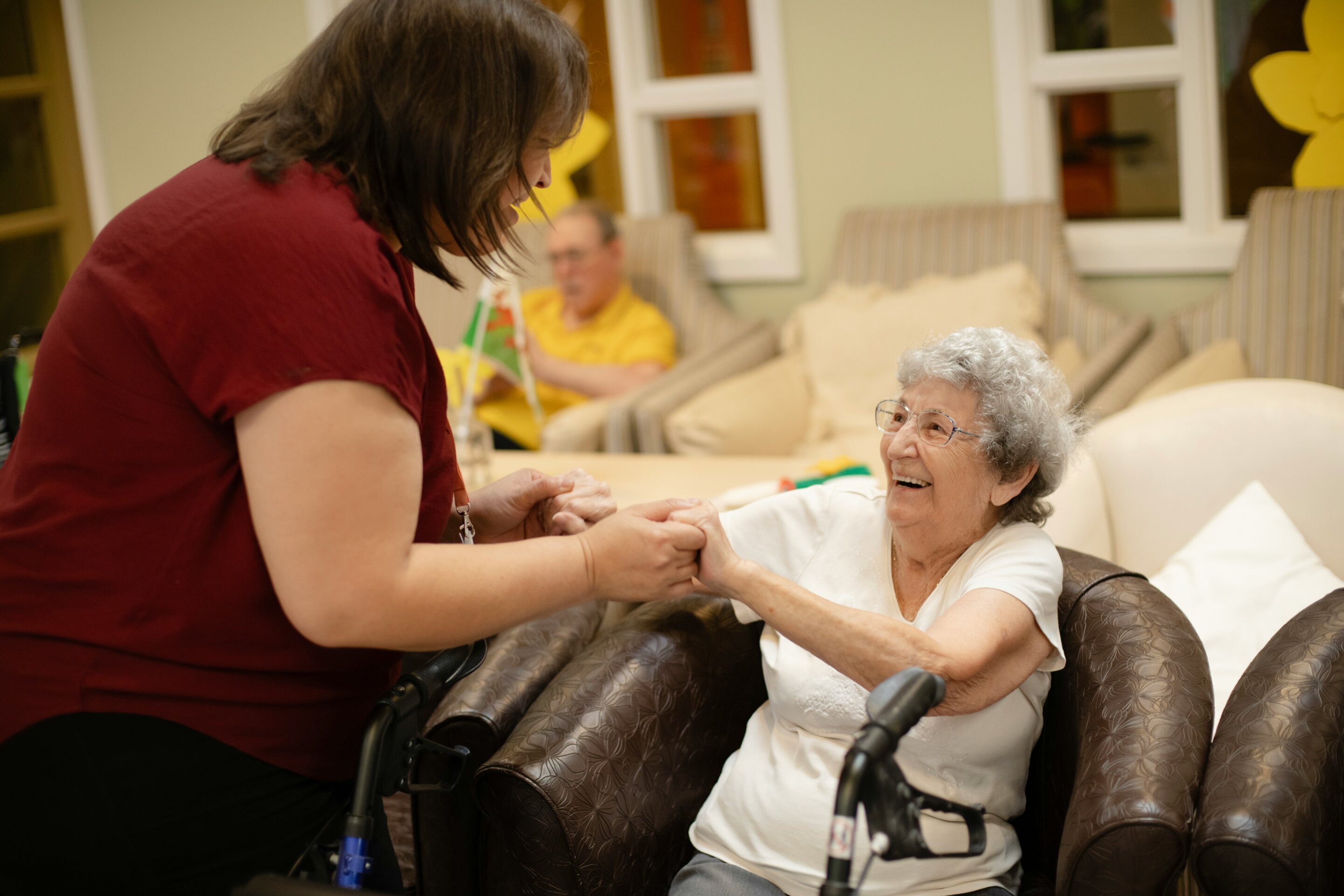
Scenarios like this are exactly what patient advocates are trained to help with. They understand patients' and families' concerns, ensure their voices are heard by medical staff and work with care teams, insurance companies and facility administrators. They also coordinate care, set up follow-up appointments and address potential gaps or blind spots in care.
I train social workers—who often serve as patient advocates—to help people in a variety of settings, including hospitals and nursing homes. Earlier in my career, I served as a professional patient advocate supporting people in hospitals, home health and hospice.
A trained patient advocate can provide much-needed support for people on their health care journey. Here's what you need to know to work with one most effectively.
Patient advocacy emerged out of the civil rights movement's focus on individual protections and rights. In 1966, health care advocacy pioneer Ruth Ravich founded the Department of Patient Representation at Mount Sinai Hospital in New York—widely considered the beginning of the patient advocate role.
Historically, doctors made decisions for patients without fully involving them in their own care .
Source link





