This article has been reviewed according to Science X's editorial process and policies. Editors have highlighted the following attributes while ensuring the content's credibility:
Could a wearable robot help people with amyotrophic lateral sclerosis (ALS) walk farther? A new study from Toho University in Japan examined walking performance and quality of life in 30 patients with ALS who underwent training with the Hybrid Assistive Limb (HAL).
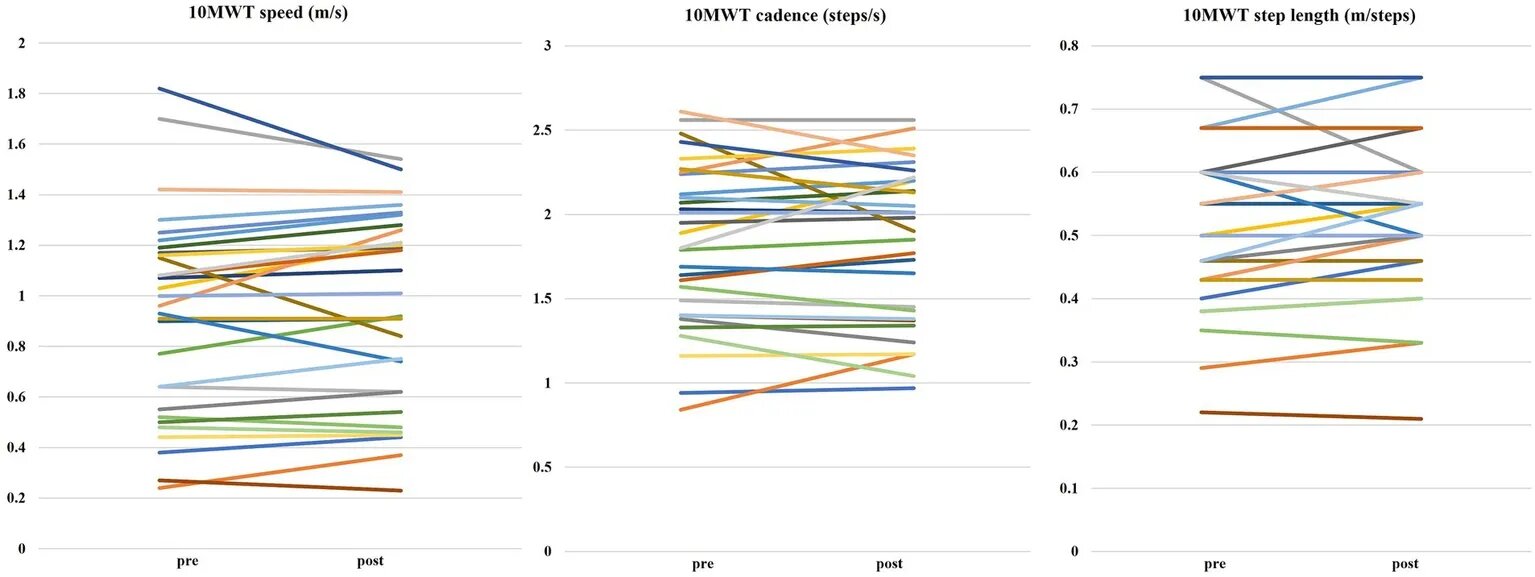
After completing one course of treatment, participants walked nearly 12 meters (39 feet) farther in a two-minute walking test, while their quality-of-life scores remained largely stable. The findings suggest that walking performance may improve over the short term without a measurable decline in quality of life, although larger controlled studies are needed to confirm the benefits of HAL-assisted rehabilitation.
For people living with amyotrophic lateral sclerosis (ALS), everyday movements can become increasingly difficult. The progressive disease damages the nerve cells that control muscles, gradually making activities such as walking, speaking, swallowing and breathing more challenging. Although some medications can slow the progression of ALS, restoring lost muscle strength remains difficult. Rehabilitation therefore plays an important role in helping patients maintain their physical abilities and independence.
One approach involves a wearable robotic device called the Hybrid Assistive Limb, or HAL. Unlike robots that simply move a person's legs, HAL is designed to respond to the wearer's own intention to move. Sensors attached to the skin detect faint electrical signals produced by muscle activity, allowing the device to provide assistance during walking exercises.
In Japan, HAL treatment has been covered by public health insurance for certain neuromuscular diseases, including ALS, since 2016.
Source link