
This article has been reviewed according to Science X's editorial process and policies. Editors have highlighted the following attributes while ensuring the content's credibility:
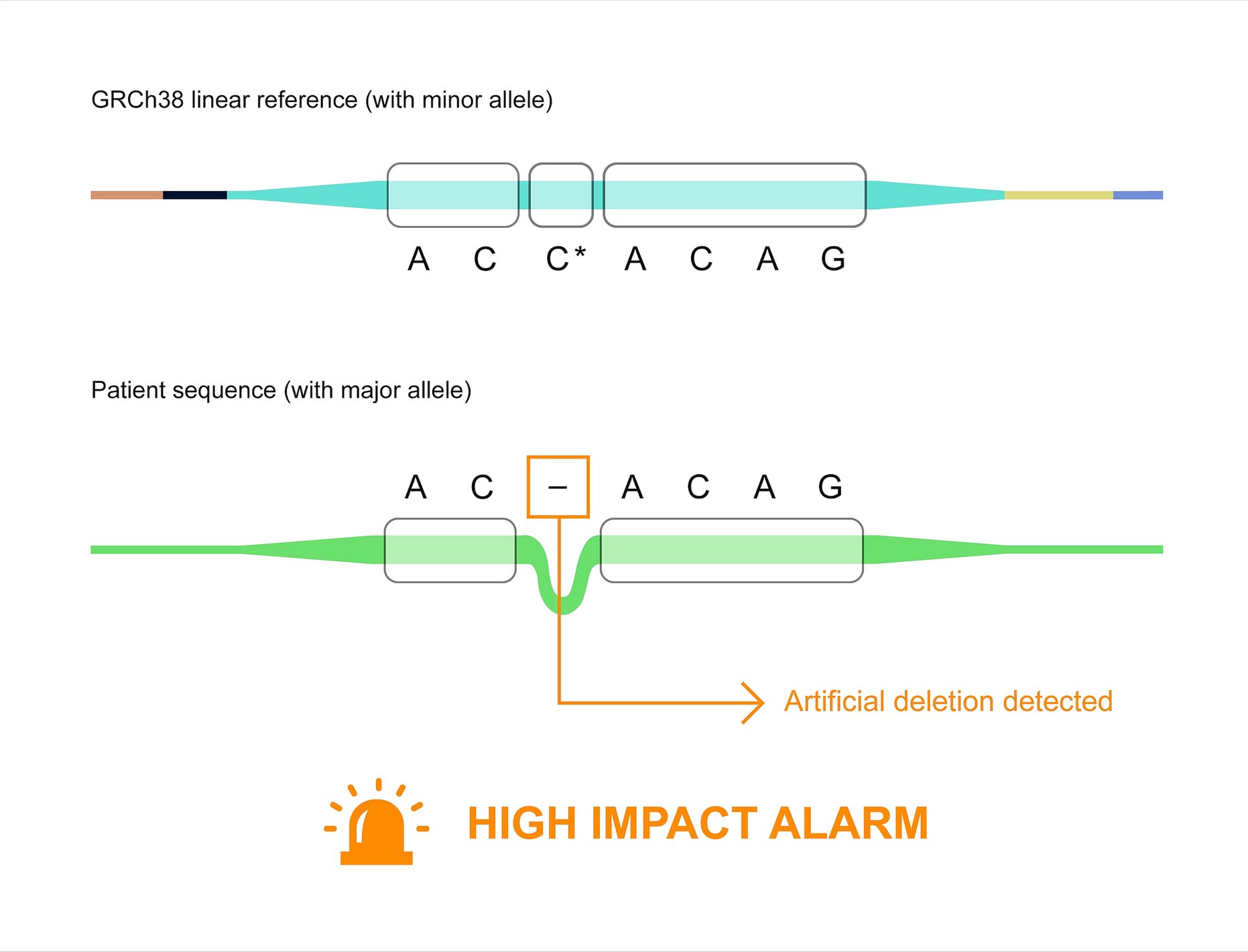
Genetic information may play an increasingly important role in the personalized preventive medicine of the future. Whole-genome sequencing could open up new possibilities for identifying susceptibility to and risk of specific diseases even before symptoms appear, emphasizes Dr. Gyula Richárd Nagy, a clinical geneticist at Semmelweis University. However, to achieve this, we must first accurately "read" our genome—that is, the billions of DNA letters—with increasing precision. We must also ensure that the reference we are comparing it to is appropriate.
A study published in the journal GeroScience, which involved researchers from Semmelweis University, sheds light on this important yet little-known issue for the future of preventive genomics.
Exercise more, eat healthier, go for screenings, avoid stress and get a good night's sleep—these are the well-known ways to prevent disease today.
Nagy, a clinical geneticist and associate professor in the Department of Obstetrics and Gynecology at Semmelweis University, says that population-wide whole-genome sequencing could launch a new era of personalized preventive and predictive medicine. With this tool, anyone could receive a "personalized guide" to identify their risk of certain diseases and predisposition to them well before symptoms appear, allowing them to explore personalized prevention options. In his view, this future is not even far off, even though it is a relatively new field of science.
Whole-genome sequencing means reading the nearly complete "text" of a person's genetic information: more than six billion DNA letters, including some 40,000 genes and the regions that regulate their function.
Source link





