This article has been reviewed according to Science X's editorial process and policies. Editors have highlighted the following attributes while ensuring the content's credibility:
Cognition has to be organized somehow. A new study by researchers in The Picower Institute for Learning and Memory at MIT provides several lines of evidence that the needed organization is implemented across the brain's frontal cortex by low-frequency "theta" waves.
"Theta seems to be this master organizer," said study senior author Earl K. Miller, Picower professor in the Department of Brain and Cognitive Sciences at MIT. "Imagine that local brain activity supporting cognition is like individual airport control towers. Theta is the whole air traffic control zone covering hundreds of miles including many airports. It's the overall infrastructure that ties the system together and organizes it."
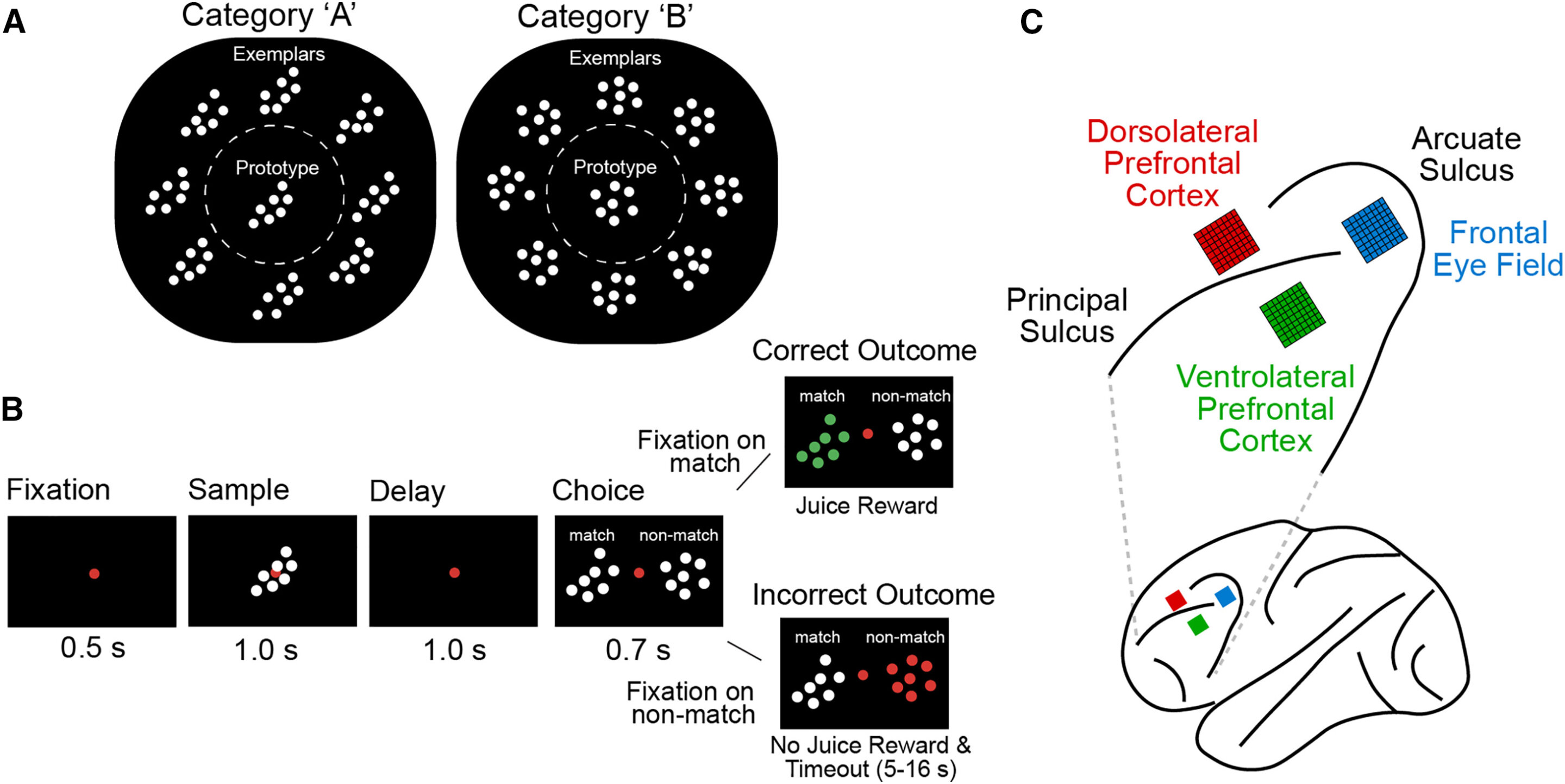
In the study in Cell Reports, animals engaged in cognition by playing a game where they had to remember patterns of dots on a screen and classify them into one of two categories. Meanwhile, Miller's team, led by postdoctoral Picower Fellow Matthew Broschard, measured the electrical spiking activity of hundreds of individual neurons in three areas of the cortex (the "frontal eye fields" and two regions of the prefrontal cortex). They also recorded the power of the various frequencies of waves produced during the game by the neurons' collective, synchronized activity.
What the scientists found after analyzing all this raw data is that theta waves (4–10 Hz) indicated which information was important at key moments of the game, governed the crosstalk between brain regions and determined when higher-frequency "beta" (15–30 Hz) or "gamma" (40–90 Hz) waves arose in each region.
Source link