
This article has been reviewed according to Science X's editorial process and policies. Editors have highlighted the following attributes while ensuring the content's credibility:
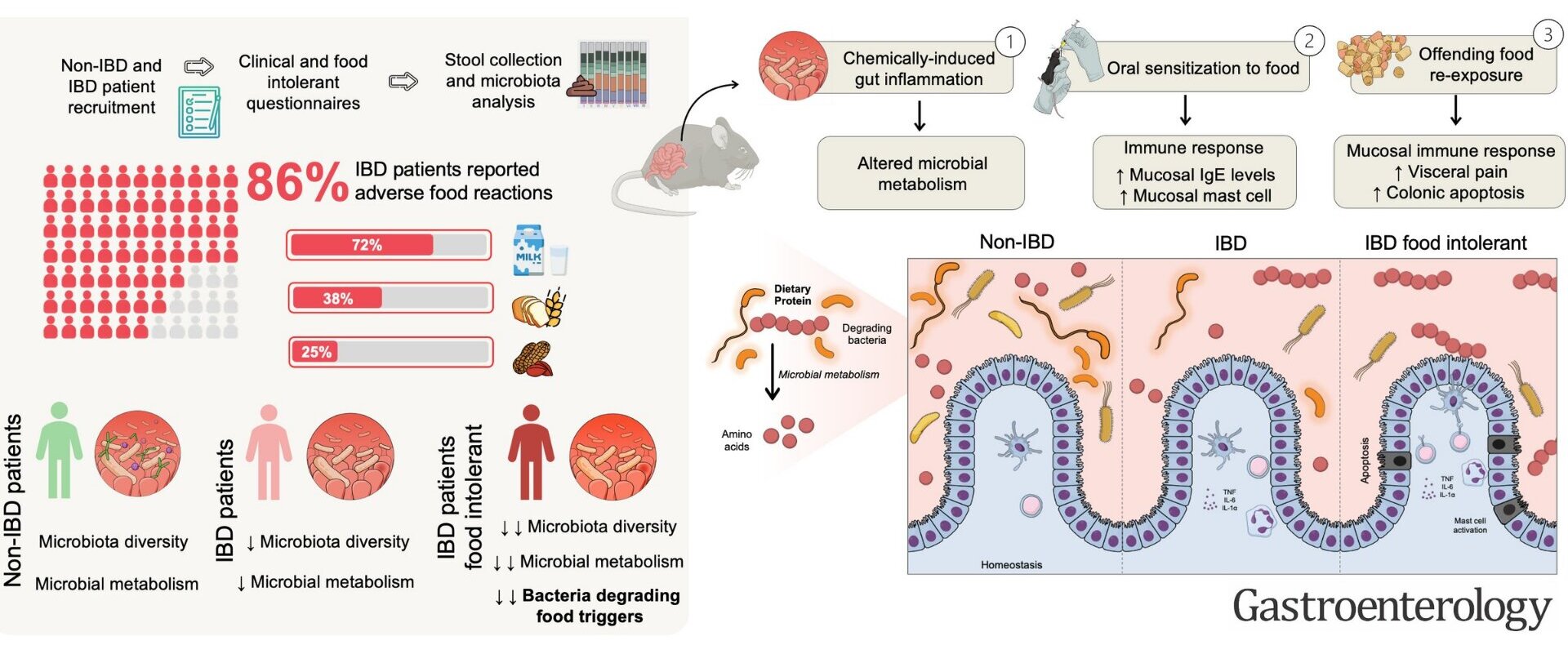
A new study, to be published in Gastroenterology, finds that gut inflammation can change the way gut bacteria break down food—possibly triggering immune reactions to foods that were previously fine to eat. The findings may help explain why so many people with inflammatory bowel disease (IBD) react badly to foods like dairy or gluten, even in remission.
IBD, which includes Crohn's disease and ulcerative colitis, is marked by flare-ups of severe inflammation, and many patients change their diets to manage symptoms, despite limited evidence that this helps. About two-thirds of IBD patients report food-related symptoms. Dairy, wheat and fiber are the most frequently blamed triggers, but why they cause problems has remained unclear.
The gut microbiota, the trillions of bacteria living in the intestines, may hold the answer. These bacteria help digest foods that human enzymes can't process alone, and prior research has shown IBD patients often have altered gut bacteria. This study identifies a novel mechanism by which that alteration drives food reactions.
"The microbiome acts as a metabolic organ, helping us digest food components, including those that can trigger gut reactions," said study author Alberto Caminero, Ph.D. "Our study shows that inflammation impairs this microbial digestive capacity, potentially contributing to adverse food reactions and opening new possibilities for microbiome-based therapies to restore this function in IBD patients."
D.
Source link





