
This article has been reviewed according to Science X's editorial process and policies. Editors have highlighted the following attributes while ensuring the content's credibility:
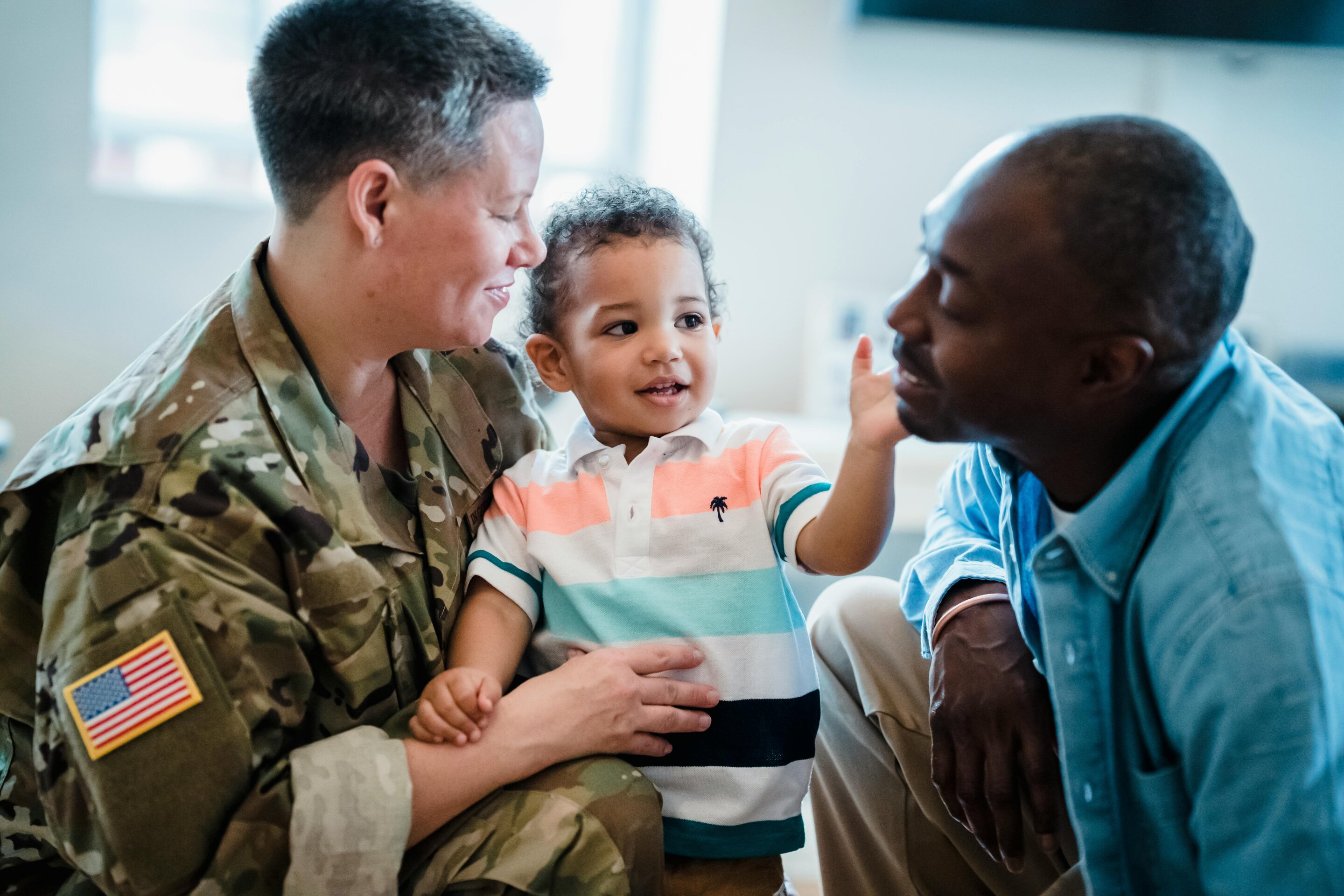
Over 1.4 million children had a parent or caregiver who served in the U.S. armed forces in 2024.
Among active-duty families, 2.4% of military children had both parents serving in the military. Another 4% lived in single-parent households.
More than 90% of these children attend U.S. public schools. Over 67,000 attend Department of Defense schools located in the U.S. and foreign countries. Military-connected students have a unique set of experiences and academic and emotional needs, including support with school transitions and developing a sense of belonging at their new school.
Because only 6% of Americans have served in the U.S. military, some educators may not understand the experiences of military children and the challenges of military life.
As a retired U.S. Army lieutenant colonel and military behavioral health expert, I think there are a few key ways that school districts can better support these students through school transitions.
Some strategies include identifying military-connected students during enrollment and training educators about military life.
The military lifestyle creates both unique opportunities and challenges for children and teenagers whose parents are military service members.
Military children often travel and have opportunities to live in multiple cities across the U.S. and other countries. They are also exposed to different cultures, new traditions and opportunities to learn foreign languages.
These children are resilient and adaptable . They may also display increased independence, personal growth and pride because of their parent's military service.
Source link





