This article has been reviewed according to Science X's editorial process and policies. Editors have highlighted the following attributes while ensuring the content's credibility:
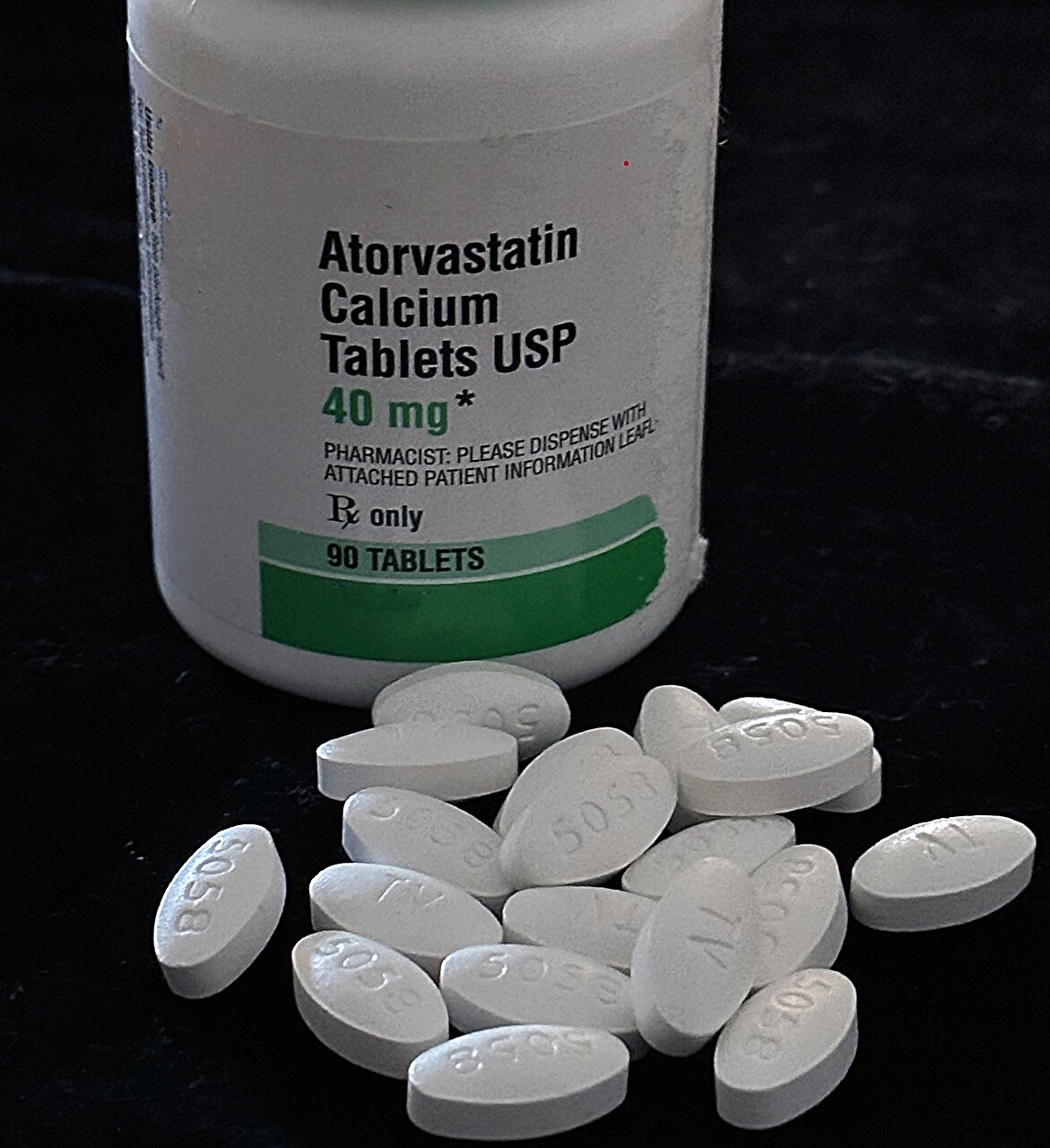
Adults with heart or blood vessel disease who started treatment with a statin alone had rates of heart attack, stroke and other heart problems over three years similar to those who started with a statin plus ezetimibe (a nonstatin medication to help limit cholesterol absorption in the intestine) when medications were adjusted to reach an assigned goal for low-density lipoprotein (LDL), or "bad," cholesterol, according to new, independent, preliminary late-breaking science presented Saturday at the American Heart Association's Scientific Sessions 2026 in Chicago.
According to the American Heart Association's 2026 Heart Disease and Stroke Statistics, about one in four U.S. adults (25.5%) had high LDL cholesterol (130 mg/dL or higher), based on 2017 to 2020 data.
"Lowering high LDL is among the most effective ways to reduce the risk of heart attack and stroke," said study author Byeong-Keuk Kim, M.D., Ph.D., a professor of cardiology at Yonsei University College of Medicine's Severance Hospital in Seoul, South Korea. "Doctors can lower LDL cholesterol with a statin alone or in combination with ezetimibe, which lowers cholesterol more. However, it remains unclear if starting both together reduces heart attacks, strokes and other heart issues compared to starting with a statin alone and adding additional medications like ezetimibe later. This is a crucial question for doctors."
Statins work by reducing cholesterol production in the liver and are often the first medication prescribed to lower LDL.
Source link