
This article has been reviewed according to Science X's editorial process and policies. Editors have highlighted the following attributes while ensuring the content's credibility:
A small pilot study led by a Rutgers researcher has found differences in blood proteins between people experiencing high and low levels of pain from sickle cell disease, findings that may inform research on new treatments and better pain management.
Their paper in Medical Sciences reported an analysis of samples from 16 adult patients that found unexpected similarities and differences in blood platelets from patients with high and low pain. The researchers discovered that while the two groups had virtually identical levels of proteins known to drive pain in other conditions, they showed large differences in proteins that drive neurodegeneration, energy production and other bodily functions.
The results suggest the possible existence of previously unknown drivers of disease symptoms such as pain, said Keesha Powell-Roach, an assistant professor at the Rutgers School of Nursing and lead author of the study.
"This was a small pilot, so it's too early to make any broad statements," Powell-Roach said. "But these findings do justify a wide range of follow-up investigations to figure out why we found these differences and whether they indicate potential strategies to reduce pain or create new treatments."
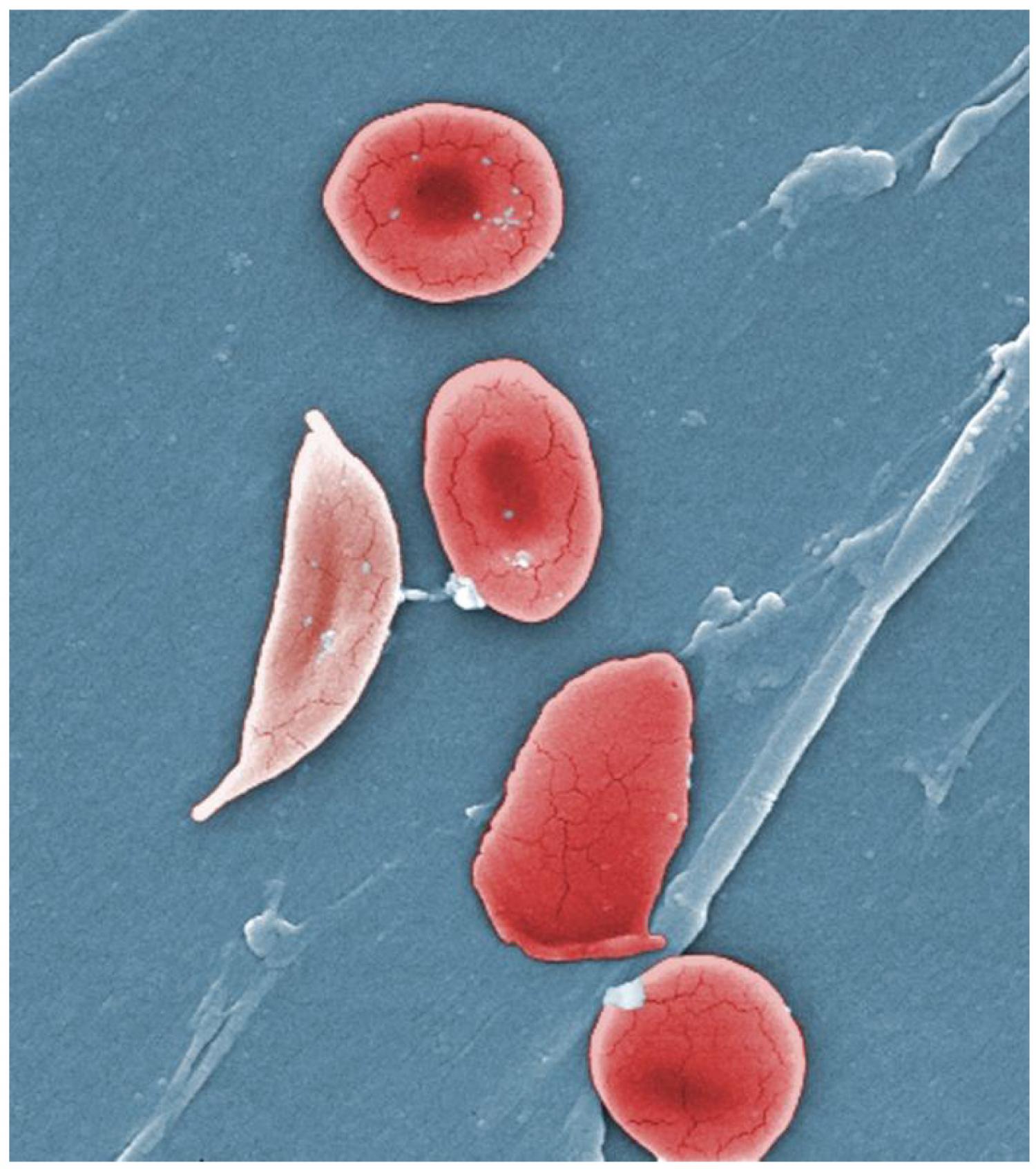
Sickle cell disease is an inherited disorder in which red blood cells can become so rigid and misshapen that they restrict circulation and deprive tissues of oxygen. It can cause episodes of severe pain, chronic severe pain and lasting organ damage.
Source link





