This article has been reviewed according to Science X's editorial process and policies. Editors have highlighted the following attributes while ensuring the content's credibility:
DNA methylation patterns present at diagnosis could help predict which patients with myelodysplastic syndromes (MDS) will respond to azacitidine. That's the key finding of a new multicenter study involving researchers at Sylvester Comprehensive Cancer Center, part of the University of Miami Miller School of Medicine.
Published in the Journal of Clinical Investigation, the study found that DNA methylation was more useful than gene activity alone in predicting treatment response, offering a potential path toward more personalized care for patients with MDS.
For patients with MDS, choosing a treatment comes with a stubborn challenge: Doctors cannot reliably predict which patients will respond to treatment.
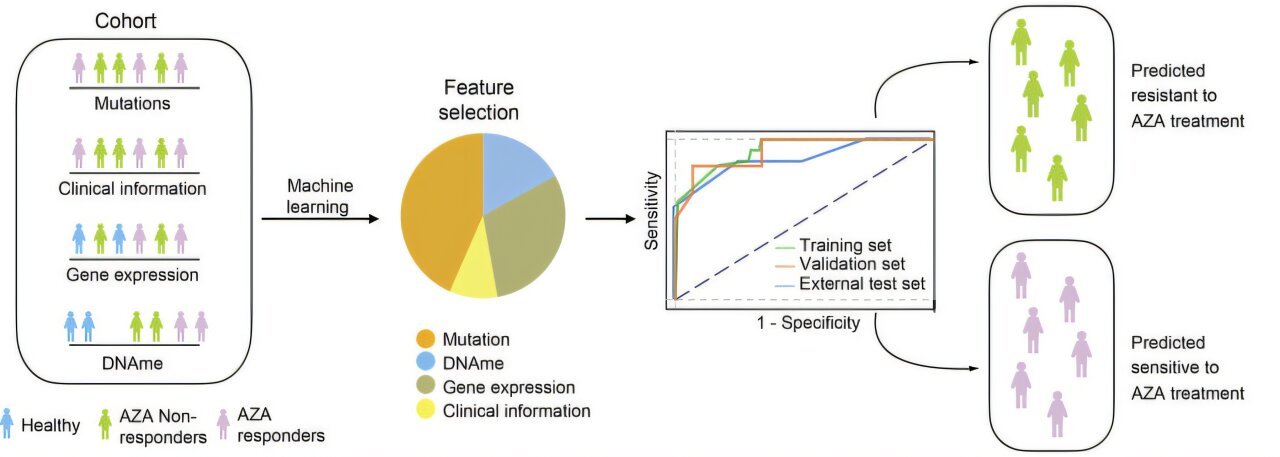
The new study suggests that biological features present at diagnosis could help physicians identify patients most likely to benefit from therapy and points to a possible way forward. By examining DNA methylation—so-called epigenetic changes—alongside gene expression, mutations and clinical information, researchers developed a model that could predict response to azacitidine, a primary therapy used for MDS.
, a Sylvester researcher, associate director of translational research and the study's co-lead.
Source link