This article has been reviewed according to Science X's editorial process and policies. Editors have highlighted the following attributes while ensuring the content's credibility:
Researchers at Bar-Ilan University's Azrieli Faculty of Medicine have identified blood biomarkers that accurately predict which mice would respond to an experimental combination therapy for latent autoimmune diabetes in adults (LADA), a form of autoimmune diabetes that is frequently mistaken for type 2 diabetes. The findings, published in MedComm, also show that the treatment restored normal blood sugar levels in about one-third of treated mice and stimulated the regeneration of insulin-producing cells in the pancreas.
LADA is often described as a slow-progressing form of type 1 diabetes. Because patients continue producing insulin during the early stages of the disease, they are commonly diagnosed with type 2 diabetes before the underlying autoimmune process is recognized. As a result, many patients initially receive treatments that are not optimally suited to their condition.
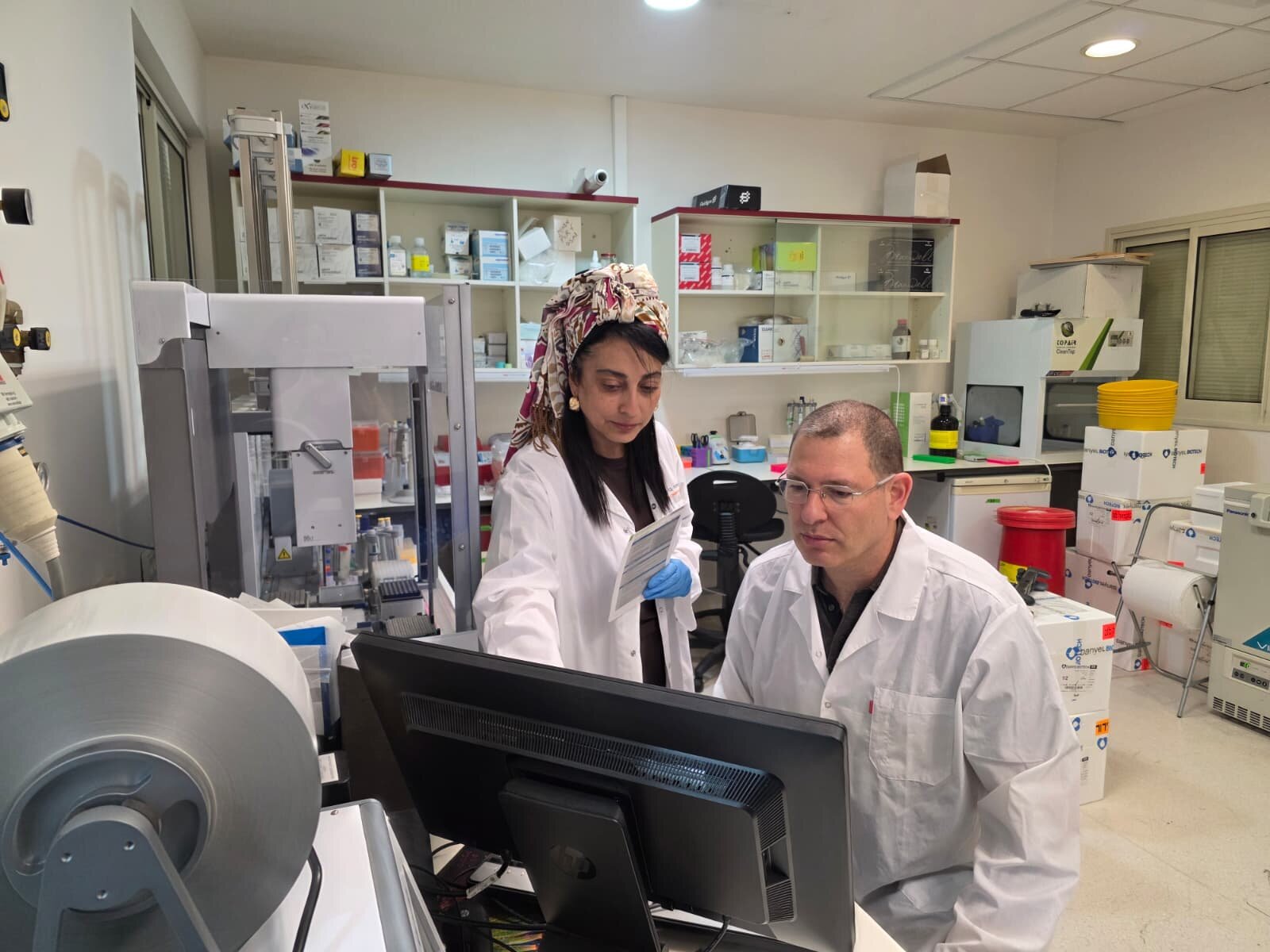
"There is tremendous variation in how patients respond to treatment for autoimmune diseases," said Dr. Ron Piran, of Bar-Ilan University's Azrieli Faculty of Medicine, the corresponding author of the study. "My Ph.D. student and the study's lead author, Wisal Sawaed, developed this work as the basis of her doctoral dissertation. Her goal was not only to develop a more effective therapy, but also to determine whether we could predict in advance who would benefit from it."
The researchers tested a combination of three well-known drugs—gamma-aminobutyric acid (GABA), sitagliptin and omeprazole—in a mouse model that closely resembles human LADA.
Source link