This article has been reviewed according to Science X's editorial process and policies. Editors have highlighted the following attributes while ensuring the content's credibility:
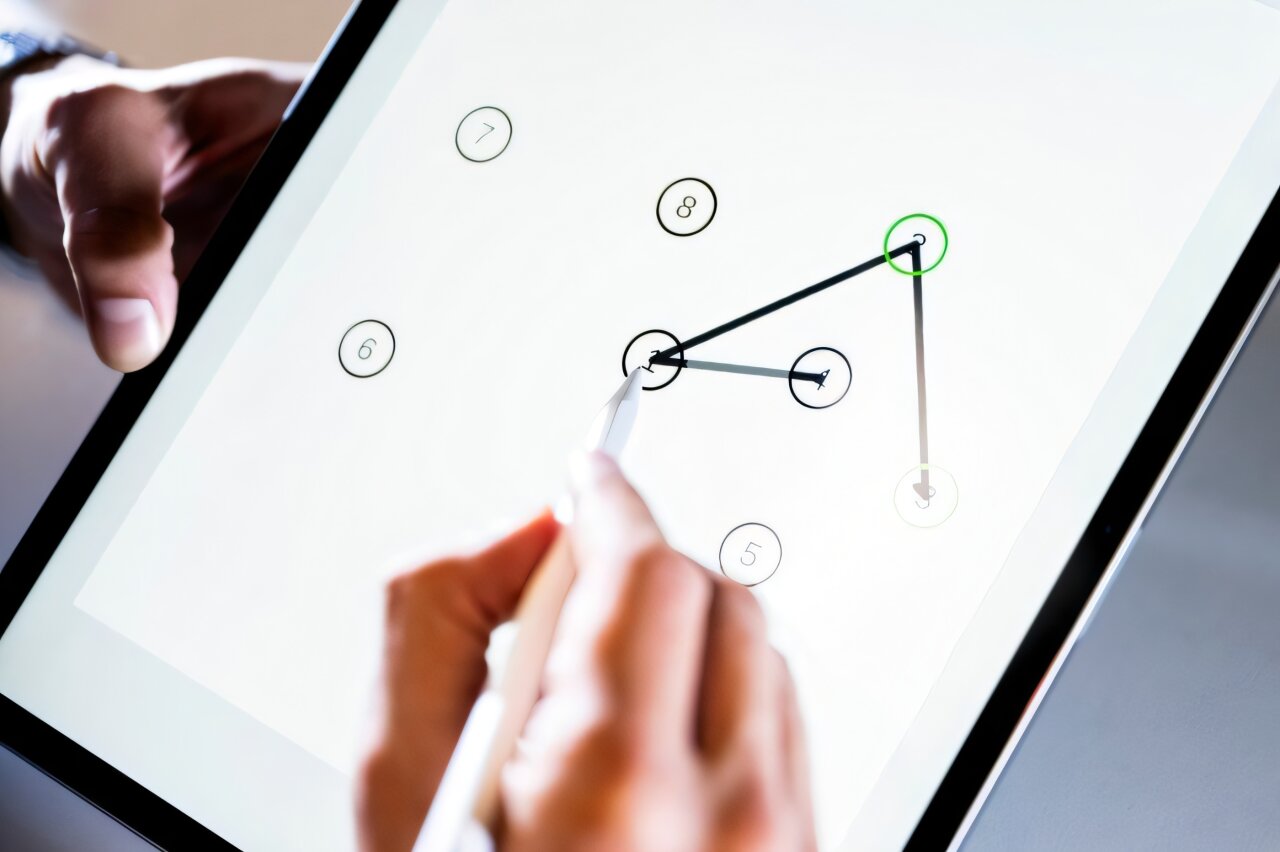
The task seems simple on its face: Connect a series of numbered dots scattered on a piece of paper in sequential order. It's the first set of directions participants are asked to follow as part of the Trail Making Test, a neuropsychological assessment designed to measure a person's brain functions, including cognitive flexibility, their capacity to plan and make decisions on the fly, and processing speed.
Northeastern researchers had participants perform this test, among others, using a tablet app they created. The goal of the tests was to determine whether researchers could collect data as reliable from participants at home using computer tablets as they could from participants tested in person at a medical center.
These tests are traditionally done in person at a doctor's office or medical center using pen and paper. But medical professionals are exploring ways to offer the tests virtually so patients can complete them at home, according to Northeastern University psychology experts.
According to Mordor Intelligence, remote and online assessment technologies are the fastest-growing segment of the global cognitive testing market. That segment is expected to have a compound annual growth rate of 10.4% through 2031, the market research firm reported.
Northeastern University's Brain Game Center for Mental Fitness and Well-Being developed its own cognitive testing mobile app designed for smartphones and tablets.
The center recently released a report on the study in JMIR Formative Research in which a group of people used the app from their homes.
Source link