This article has been reviewed according to Science X's editorial process and policies. Editors have highlighted the following attributes while ensuring the content's credibility:
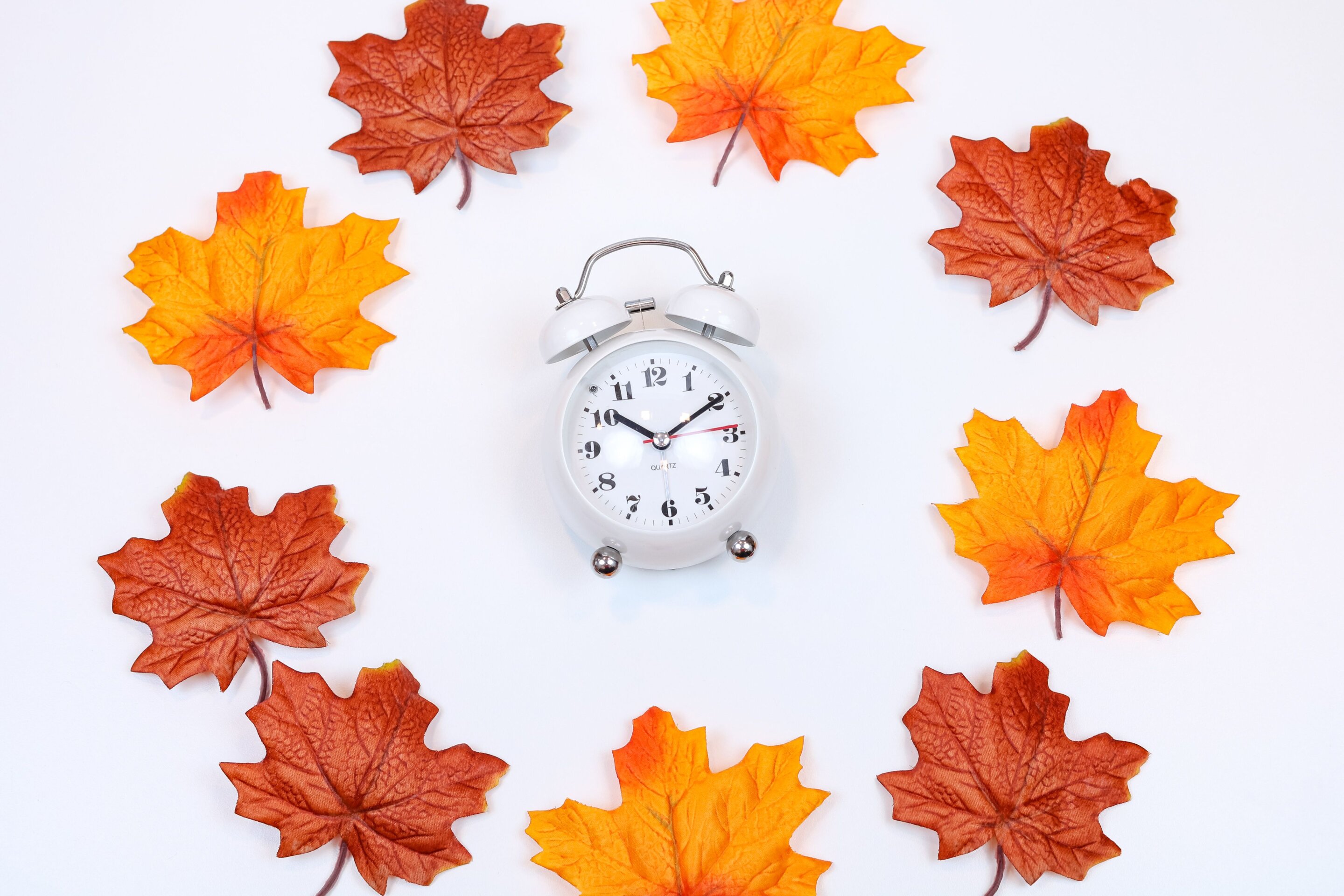
When clocks fall back this weekend, we'll gain an hour—but does that necessarily mean better sleep? Hannah Peach, a sleep health expert at UNC Charlotte, explains how the change from daylight saving time back to standard time affects our internal body clocks, why the fall transition is easier on our bodies than the spring change and how shorter days can affect our well-being. She also explains why permanent standard time may be the healthier option, particularly for children and adolescents.
We certainly get the opportunity to sleep an extra hour when clocks fall back, but that doesn't necessarily mean we get an extra hour of quality sleep! Our bodies don't know the clocks have changed; for individuals with consistent sleep patterns and a strong circadian rhythm, this time change may simply lead to waking up an hour earlier than usual. This can be especially true for children.
Again, our circadian rhythms don't know the clocks have changed. For people who do not regularly get enough sleep, this may be a welcome and beneficial extra hour of sleep. For others, naturally waking up according to their body's internal clock (but an hour earlier than normal) gives an extra hour on Sunday to be productive or enjoy the weekend.
Yes, the fall time change is much easier on our bodies than the spring change. Losing an hour of sleep in the spring can increase sleep deprivation and corresponding negative outcomes, such as drowsy driving and impaired cognition.
Source link