
This article has been reviewed according to Science X's editorial process and policies. Editors have highlighted the following attributes while ensuring the content's credibility:
Increased consumption of potassium-rich foods that are part of the Dietary Approaches to Stop Hypertension (DASH) diet did not raise blood potassium to dangerous levels in people taking medications to lower their blood pressure, according to preliminary research presented at the American Heart Association's Hypertension Scientific Sessions 2026, held in Arlington, Virginia, Oct. 7–11.
A high level of potassium in the blood, known as hyperkalemia, can cause problems with the heart's rhythm. People with impaired kidney function due to chronic kidney disease are at increased risk of hyperkalemia. Some medications prescribed to treat type 2 diabetes, heart failure and high blood pressure may lead to more potassium in the blood than the kidneys can remove.
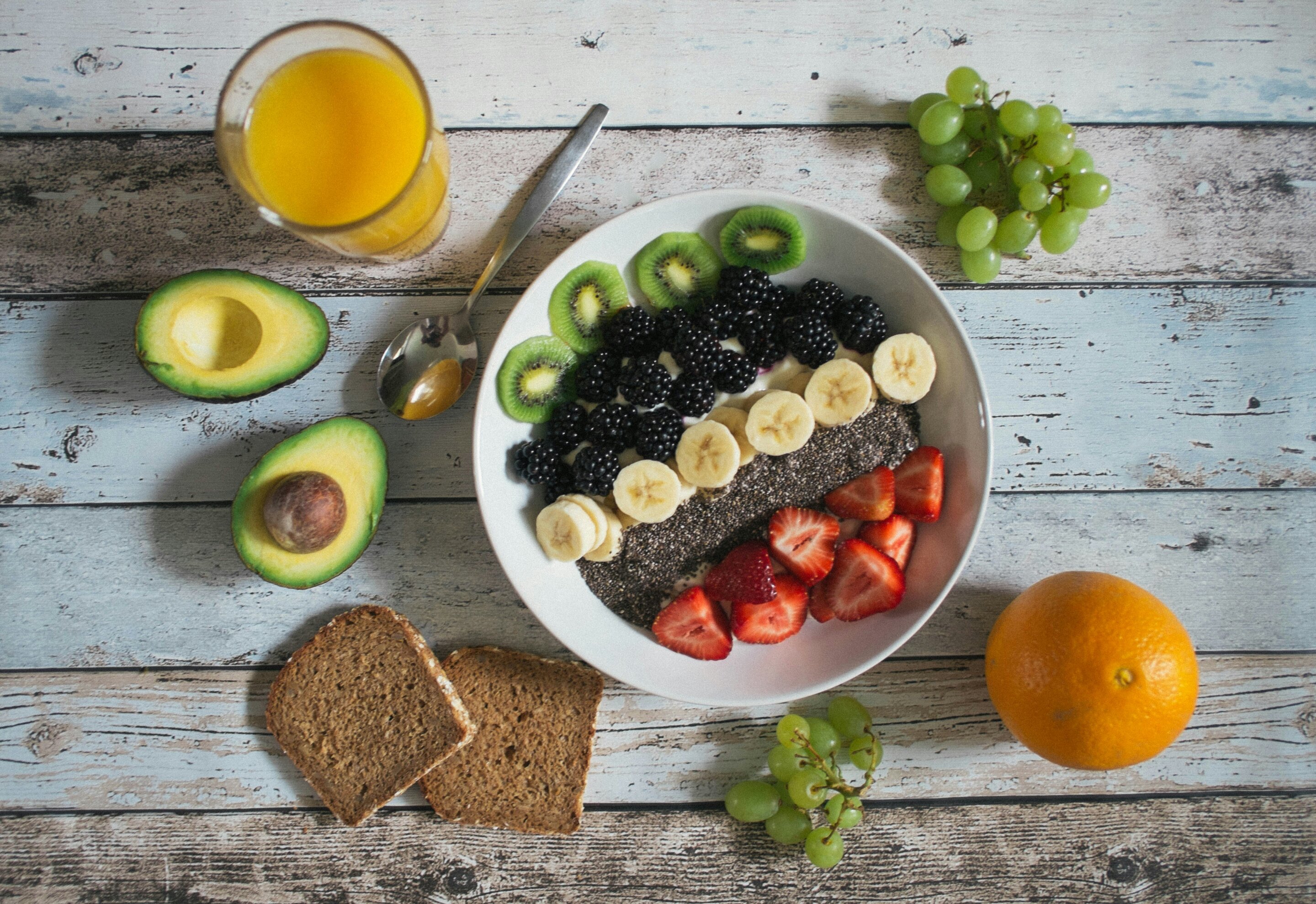
The DASH diet plan is well established as a way to help manage blood pressure. It emphasizes healthy food sources, such as fruits, vegetables, whole grains, nuts and low-fat dairy products, and limits red meat, salt, added sugars and sugary beverages. This dietary pattern aligns with the American Heart Association's 2026 Dietary Guidance to Improve Cardiovascular Health.
"The DASH diet is a well-known, proven nutrition pattern that is known to improve blood pressure," said Marian Budu, MBBS, MPH, a clinical research coordinator on the GoFresh trials at Beth Israel Deaconess Medical Center in Boston and the presenting author of the study.
"However, dangerous potassium levels can occur in people taking blood pressure medications and NSAIDs.
Source link





