This article has been reviewed according to Science X's editorial process and policies. Editors have highlighted the following attributes while ensuring the content's credibility:
When it comes to hormone-disrupting chemicals, people worry most about what they eat and drink and least about what they put on their skin, according to new research published in Risk Analysis.
The survey of adults in Denmark, the United Kingdom and the United States found that people judge the risks of these endocrine-disrupting chemicals (EDCs) less by the chemical itself than by how it gets into the body. People who said they knew more about EDCs also believed they were more vulnerable to them—a sign that giving people more information may not, on its own, put their minds at ease.
EDCs are substances that interfere with the body's hormonal signaling and are associated with adverse health effects, including harm to reproductive health and metabolism and an increased cancer risk.
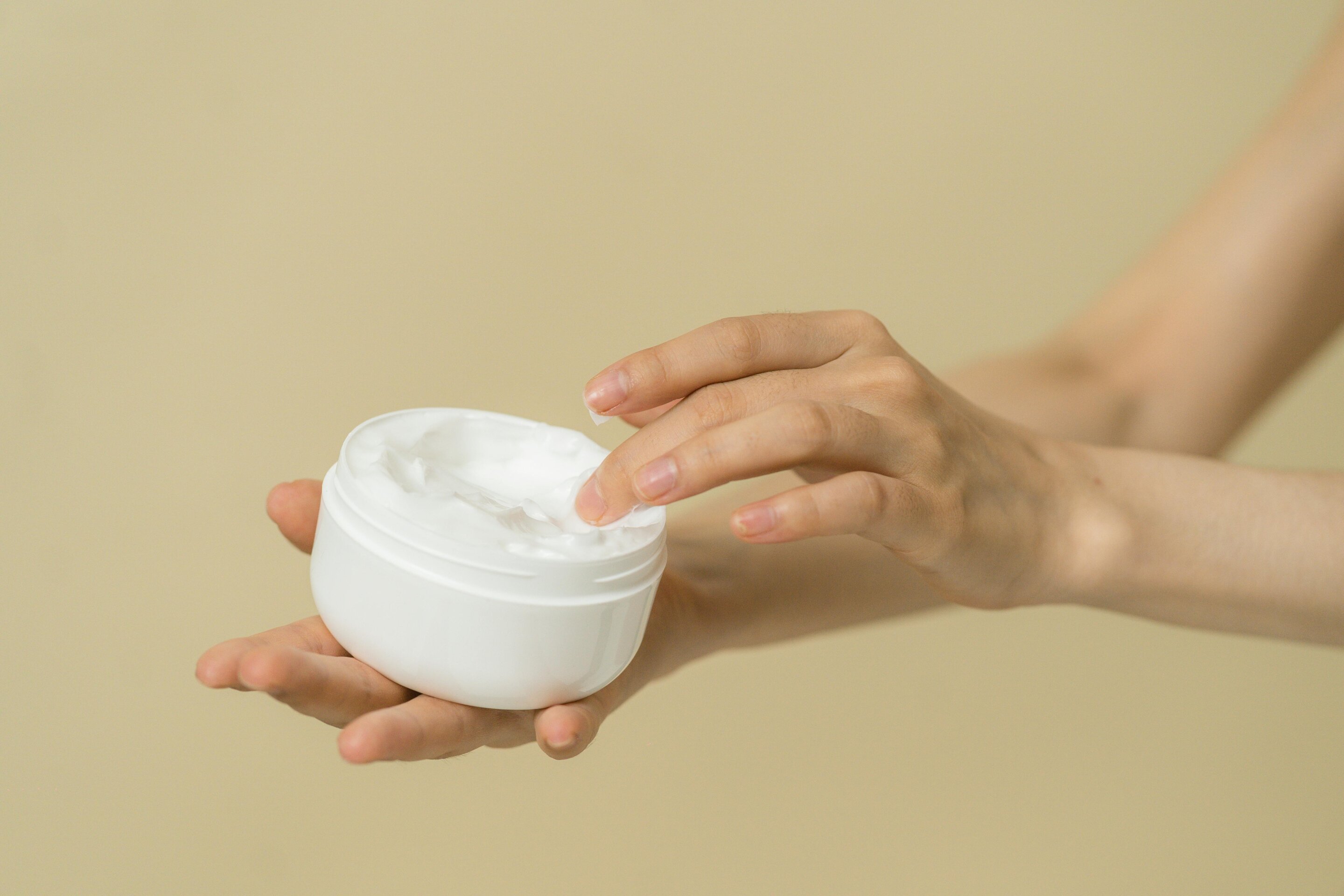
People are exposed to EDCs in several ways: pesticides in food and water, personal care products on the skin and household dust carrying chemicals from furniture, electronics and building materials. While scientists broadly agree that many EDCs are hazardous, little is known about how the public turns that information into judgments about their risks. Earlier studies looked at single settings, such as food or household products, rather than comparing exposure routes across countries.
K. S. Participants rated 18 everyday scenarios, such as drinking from plastic bottles containing BPA, applying sunscreen containing parabens and breathing air containing phthalates from indoor air fresheners.
Source link