
This article has been reviewed according to Science X's editorial process and policies. Editors have highlighted the following attributes while ensuring the content's credibility:
CAR-T cell therapies have fundamentally transformed the treatment of several blood and lymph node cancers. However, their use in solid tumors such as liver, breast or lung cancer has so far been significantly more difficult. This is due, among other things, to the lack of suitable target structures on the cancer cells. Cancer immunotherapies typically target features that are characteristic of a tumor and that, in some cases, directly drive its growth. However, such mutations are not always present or cannot be exploited therapeutically.
The team led by Darjus Tschaharganeh, a scientist at the Institute of Pathology of Heidelberg University Hospital and the Heidelberg Faculty of Medicine, as well as a former junior research group leader at the German Cancer Research Center, took an unconventional approach in their search for target structures: They focused on genes that are overexpressed in tumor cells but do not necessarily act as typical cancer drivers themselves. What mattered far more was whether these genes encode proteins that are present in large quantities on the surface of cancer cells and are thus easily accessible for cellular therapy.
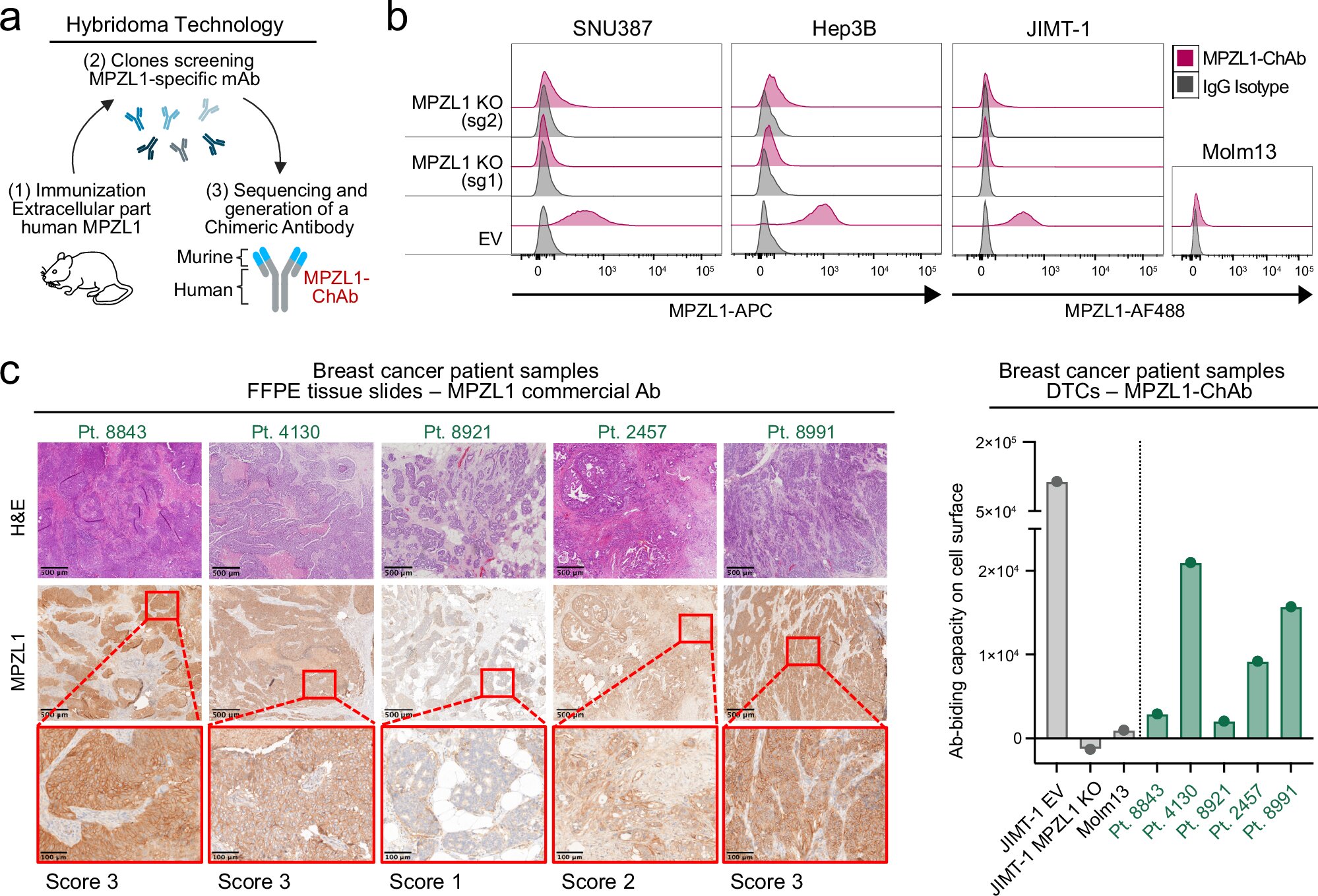
While analyzing genomic data from various types of cancer, the team came across the MPZL1 gene. It is located in a chromosomal region that is often amplified in various solid tumors. Human tumor cells therefore often express large amounts of the MPZL1 protein on their cell surfaces, whereas healthy tissue expresses significantly less.
Source link





