This article has been reviewed according to Science X's editorial process and policies. Editors have highlighted the following attributes while ensuring the content's credibility:
Flinders University researchers are launching an innovative surface-engineering technology that could help to raise the performance of implantable medical devices in people with diabetes and other metabolic diseases.
People living with diabetes face increased risks of complications following medical implantation procedures, including impaired tissue integration, persistent inflammation and delayed healing.
The new advanced material coating aims to open opportunities for a new generation of safer, more effective implants—starting with orthopedic implants such as hip and knee replacements, and potentially dental implants, cardiovascular stents and other medical devices.
The international research team, led by scientists at the Flinders Biomedical Nanoengineering Laboratory, has based the technology on an advanced implant coating designed to counteract the biological mechanism that contributes to common complications in diabetic patients.
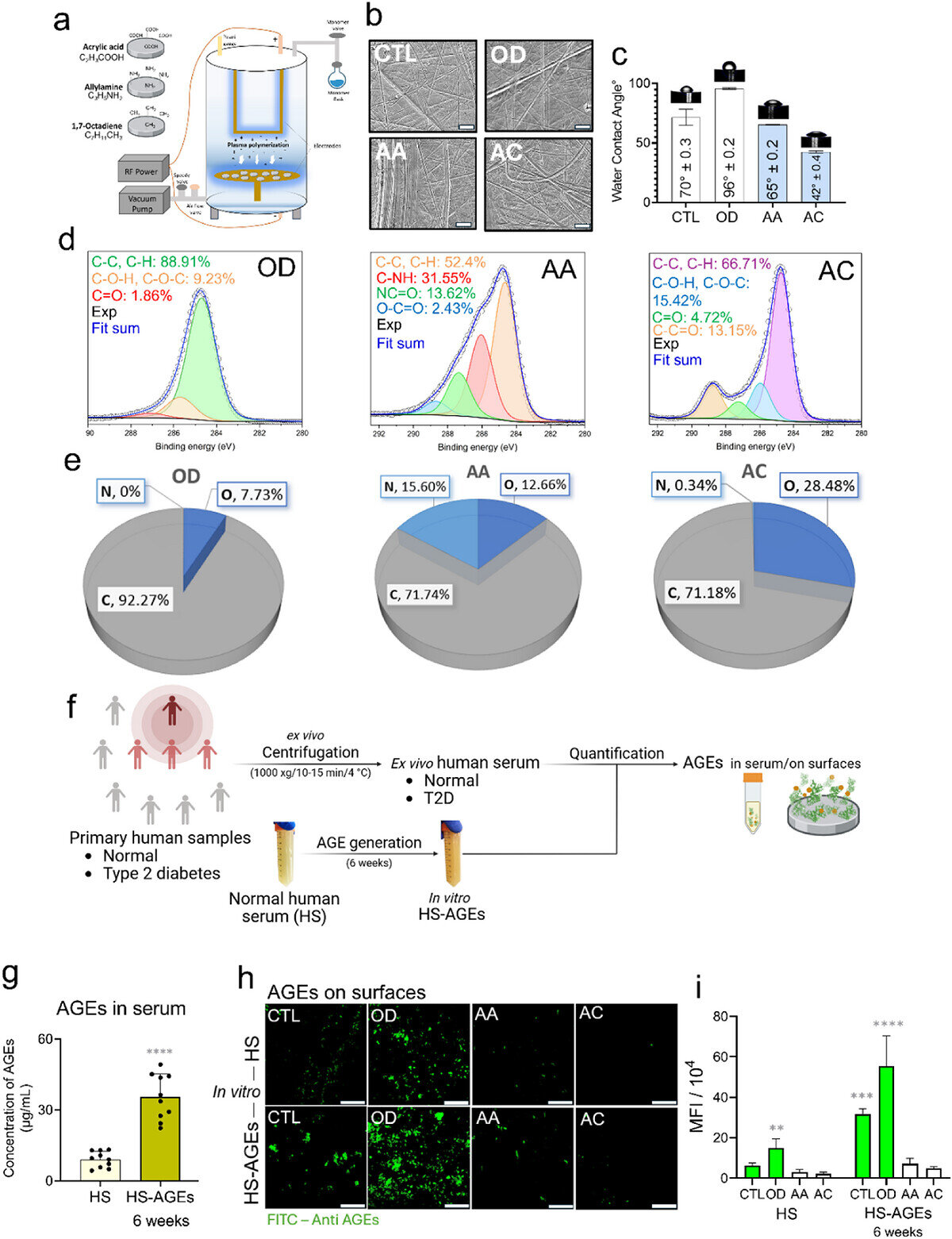
Published in the journal Advanced Science, the research reveals that "advanced glycation end-products" (AGEs)—or molecules that accumulate in diabetes and other metabolic conditions—can attach to implant surfaces and trigger harmful responses to implants.
Lead author Matthew Flinders Professor Krasimir Vasilev, professor of biomedical nanotechnology at Flinders University, says the discovery challenges conventional approaches to implant design.
"Medical implants are typically developed and evaluated under conditions that do not adequately reflect the biological environment of patients with chronic diseases such as diabetes," says Vasilev, director of the Flinders Biomedical Nanoengineering Laboratory.
"Our research demonstrates that the accumulation of AGEs on implant surfaces triggers inflammation that promotes fibrotic tissue formation and interferes with the formation of new blood vessels and healthy tissue integration.
Source link