
This article has been reviewed according to Science X's editorial process and policies. Editors have highlighted the following attributes while ensuring the content's credibility:
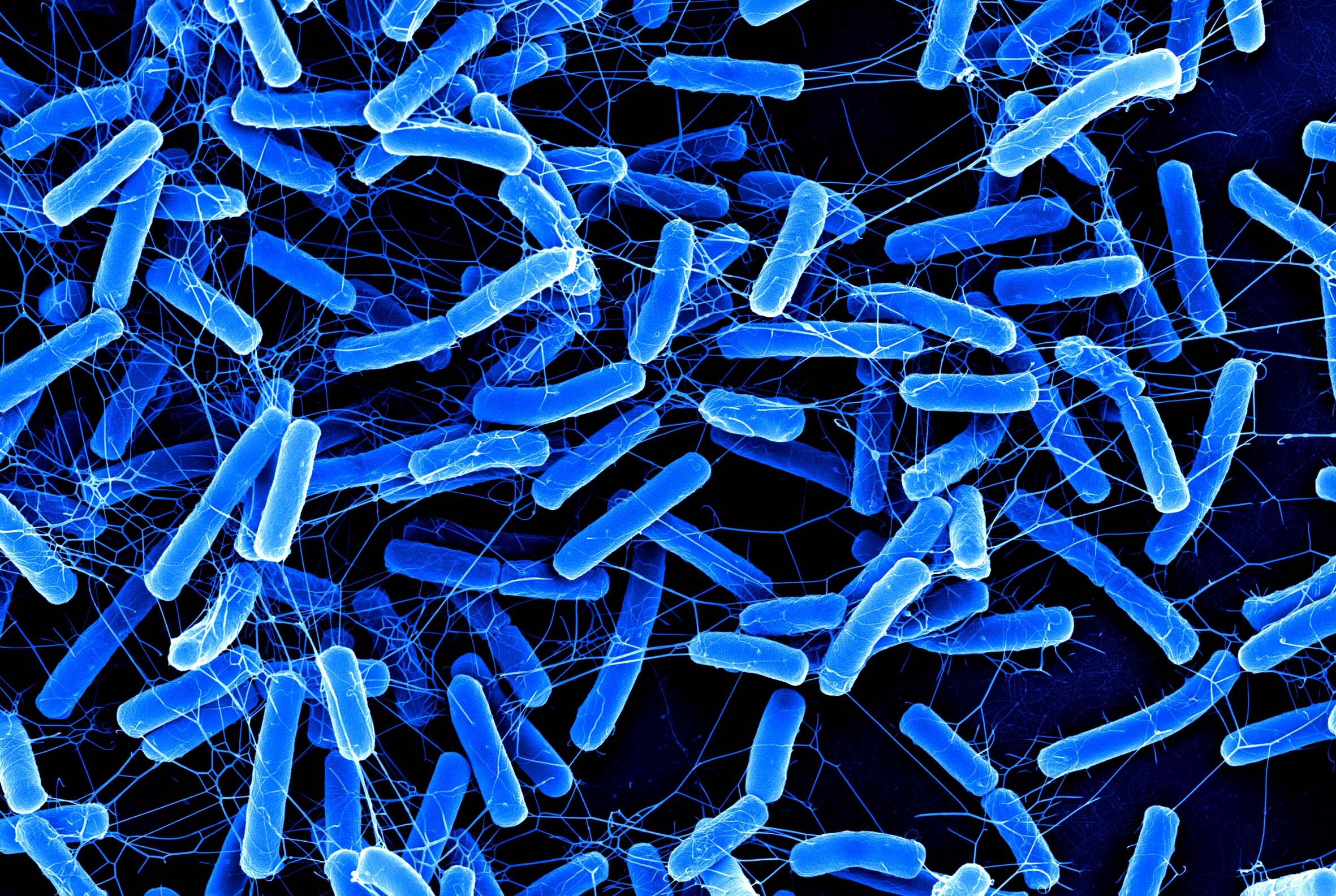
The pathogen Clostridioides difficile (C. difficile) is naturally present in the intestines of many people. When present in small numbers, it usually causes no symptoms. Treatment with broad-spectrum antibiotics can severely disrupt the balance of the healthy gut microbiome, allowing the bacterium to multiply unchecked. The result is acute intestinal inflammation, which can also become chronic. Such infections with C. difficile (CDI) are among the leading causes of antibiotic-associated diarrhea. Since the bacteria release toxins that can lead to dangerous, sometimes life-threatening intestinal inflammation with high relapse rates, new therapeutic approaches are urgently needed.
Treatment with broad-spectrum antibiotics often leads to side effects, as it affects not only the pathogens but also the "good" bacteria in the gut. A research team from Hannover Medical School (MHH), Saarland University Hospital (UKS) and the Helmholtz Institute for Pharmaceutical Research Saarland (HIPS) has now demonstrated that the natural compound argyrin B is highly effective against the pathogen Clostridioides difficile while largely sparing the beneficial gut microbiome. The researchers published their findings in the journal npj Antimicrobials and Resistance.
"We were able to show that the natural compound argyrin B is highly effective against CDI, both in laboratory experiments and in a mouse model of the infection, where it significantly reduces the bacterial load," says Dr. Jennifer Herrmann, senior scientist in the Microbial Natural Products department at HIPS.
Source link





