
This article has been reviewed according to Science X's editorial process and policies. Editors have highlighted the following attributes while ensuring the content's credibility:
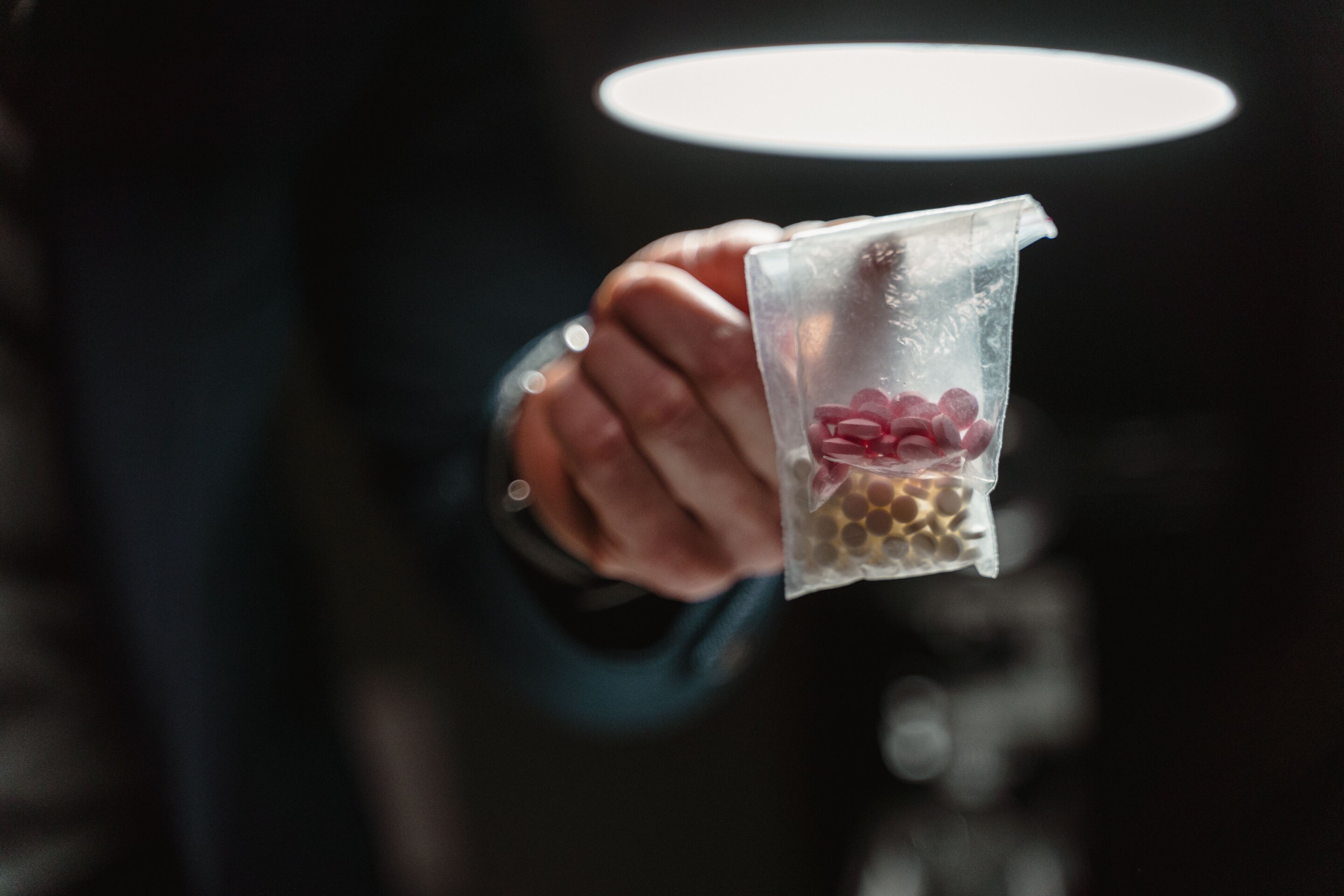
A sedative developed for cats and dogs is turning up in Scotland's illicit drug supply. Medetomidine has been found in a fifth of heroin samples in Scotland, and there is no proven antidote if someone overdoses.
Often called a new street drug, medetomidine was actually first developed as a sedative more than 50 years ago. It was patented in 1981 and introduced in Europe in 1987 under the name Domitor—a sedative for use in veterinary medicine.
Its street name, "rhino tranq", is misleading. There's no real evidence it has ever been used to sedate rhinos. (Actual rhino tranquilizer is an opioid called etorphine, which is over 1,000 times stronger than morphine.)
Medetomidine is closely related to xylazine, another veterinary sedative that has turned up in illicit drugs in the U.S. and U.K. Both act on the same type of receptors in the body and can narrow blood vessels. This has raised concerns that medetomidine could cause the severe skin wounds associated with xylazine, although such wounds have not yet been consistently reported with medetomidine.
Medetomidine also acts differently from opioids. It reduces activity in a part of the brain involved in wakefulness—called the locus coeruleus—while opioids can suppress the brain's control of breathing. Taking them together can therefore produce multiple potentially dangerous effects at once.
Despite working in the same way as xylazine, medetomidine is far more potent.
Source link





