
This article has been reviewed according to Science X's editorial process and policies. Editors have highlighted the following attributes while ensuring the content's credibility:
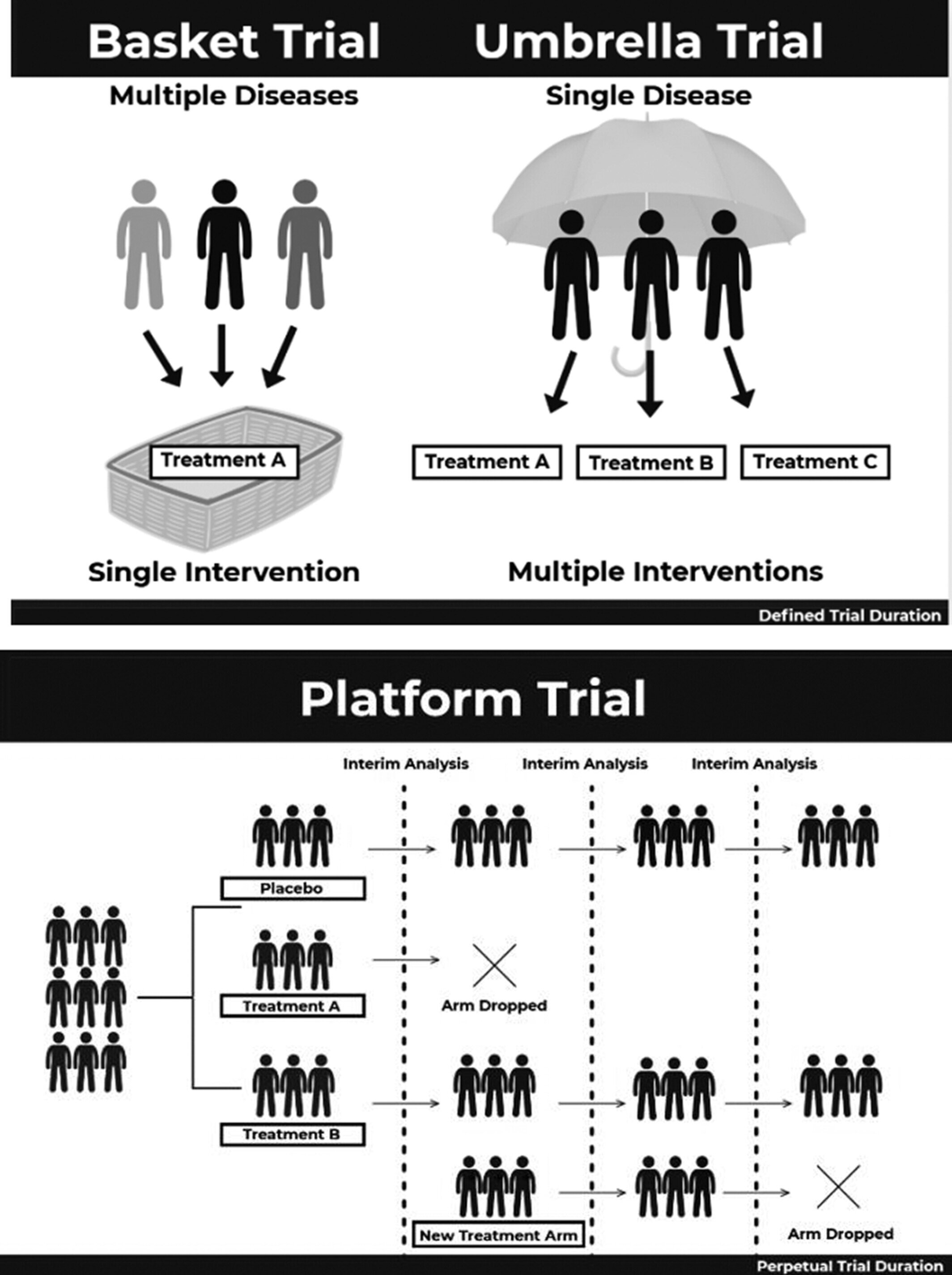
Researchers from Kennedy Krieger Institute, University of Rochester Medicine and five other institutions released a new publication detailing how master protocol trials could change the future of rare disease research. Using master protocol trials to research rare conditions could decrease costs, improve testing efficiency and capacity, and expedite the delivery of treatments to those facing a rare disease diagnosis.
Patients facing rare diseases often have no treatment options. In the past decade, the U.S. Food and Drug Administration has approved 45 drug therapy options for neurological conditions. While this is a substantial increase from previous years, those medications treat only 26 different conditions—or about 4% of all diagnosed neurological disorders.
"Families living with rare neurological diseases cannot afford to wait for scientific progress to move at a traditional pace," said Dr. Erika Augustine, associate chief science officer and director of the Clinical Trials Unit at Kennedy Krieger Institute and the study's senior author. "Master protocol trials offer a smarter, more collaborative way to evaluate potential therapies and bring effective treatments to patients more efficiently."
A master protocol allows researchers to test multiple drugs or conditions at the same time using the same clinical framework, while traditional clinical trials require a new framework for each new drug or condition tested. Rare disease researchers recently discovered that similar genetic markers are present in multiple conditions. This similarity, paired with the development of targeted gene therapies, could result in master protocol trials that lead to treatment options for rare diseases with similar genetic mutations.
Source link





