
This article has been reviewed according to Science X's editorial process and policies. Editors have highlighted the following attributes while ensuring the content's credibility:
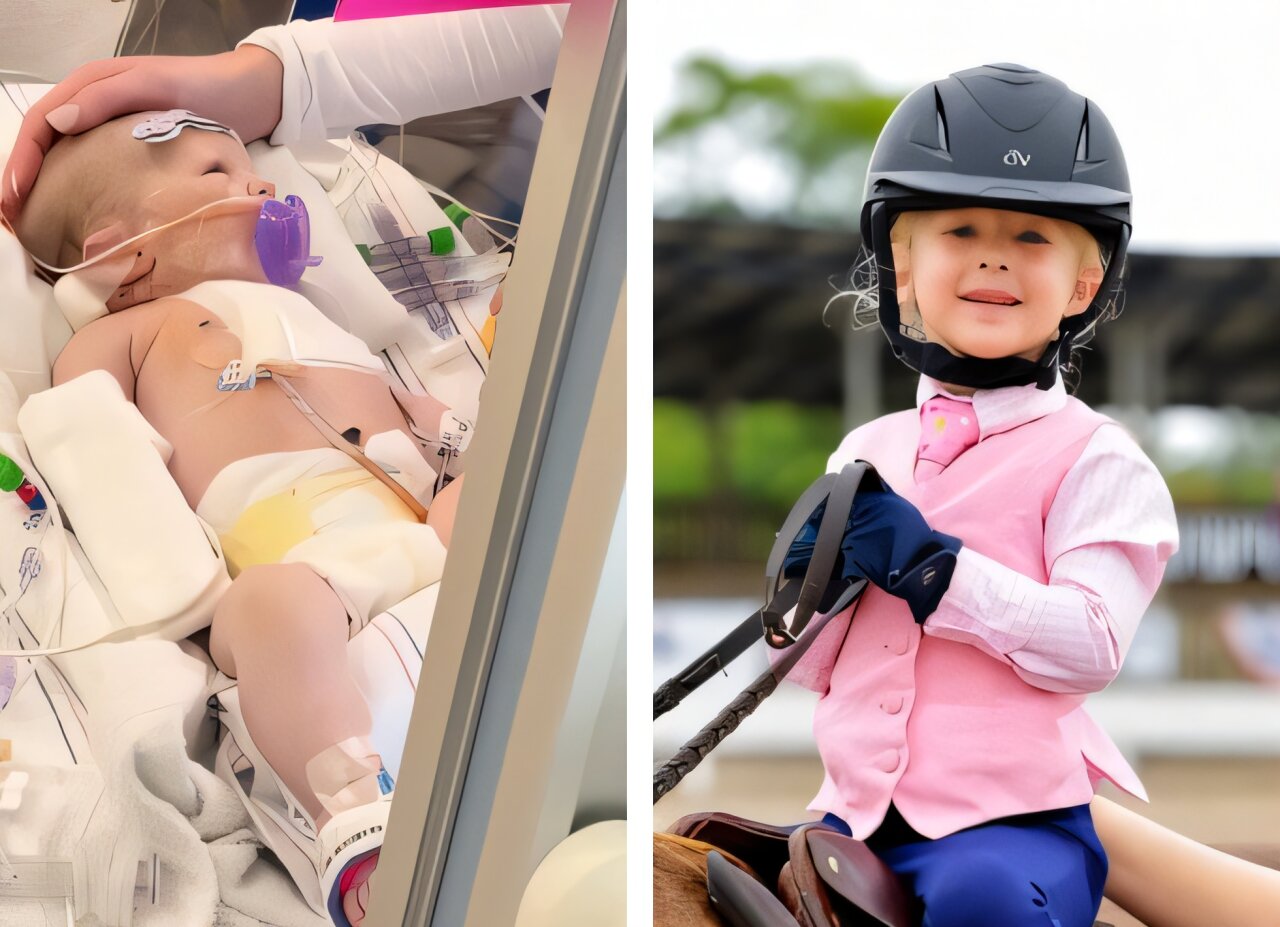
Meadow EmmaLou Boes is proud of her scar and calls herself a "superhero heart warrior."
At just 6 days old, she underwent her first open-heart surgery after being born with a severe congenital heart defect called tetralogy of Fallot with pulmonary atresia.
Now 4 years old, she has since had two additional major heart surgeries.
"When we got her diagnosis, they told us this was going to be a lifetime of open-heart surgeries," said her mother, Sarah Boes.
For Neda Latifi, assistant professor in the University of South Florida Department of Medical Engineering, children like Meadow are the inspiration behind her research.
Latifi's lab, which is a joint program between USF Health and the College of Engineering, is developing tissue-engineered heart valves that combine advanced biomaterials with a patient's own cells.
The goal is to create a living replacement that integrates with the body and mimics key features of natural heart valve tissue. By encouraging the body's own cells to remodel the valve over time, the technology could eventually adapt as a patient grows—potentially reducing the need for repeated replacement surgeries.
Using cells isolated from umbilical cords and materials designed to mimic healthy heart tissue, Latifi's team is working to create a replacement valve that becomes part of the patient rather than something the body simply tolerates.
Current replacement heart valves come with significant limitations.
Source link





