This article has been reviewed according to Science X's editorial process and policies. Editors have highlighted the following attributes while ensuring the content's credibility:
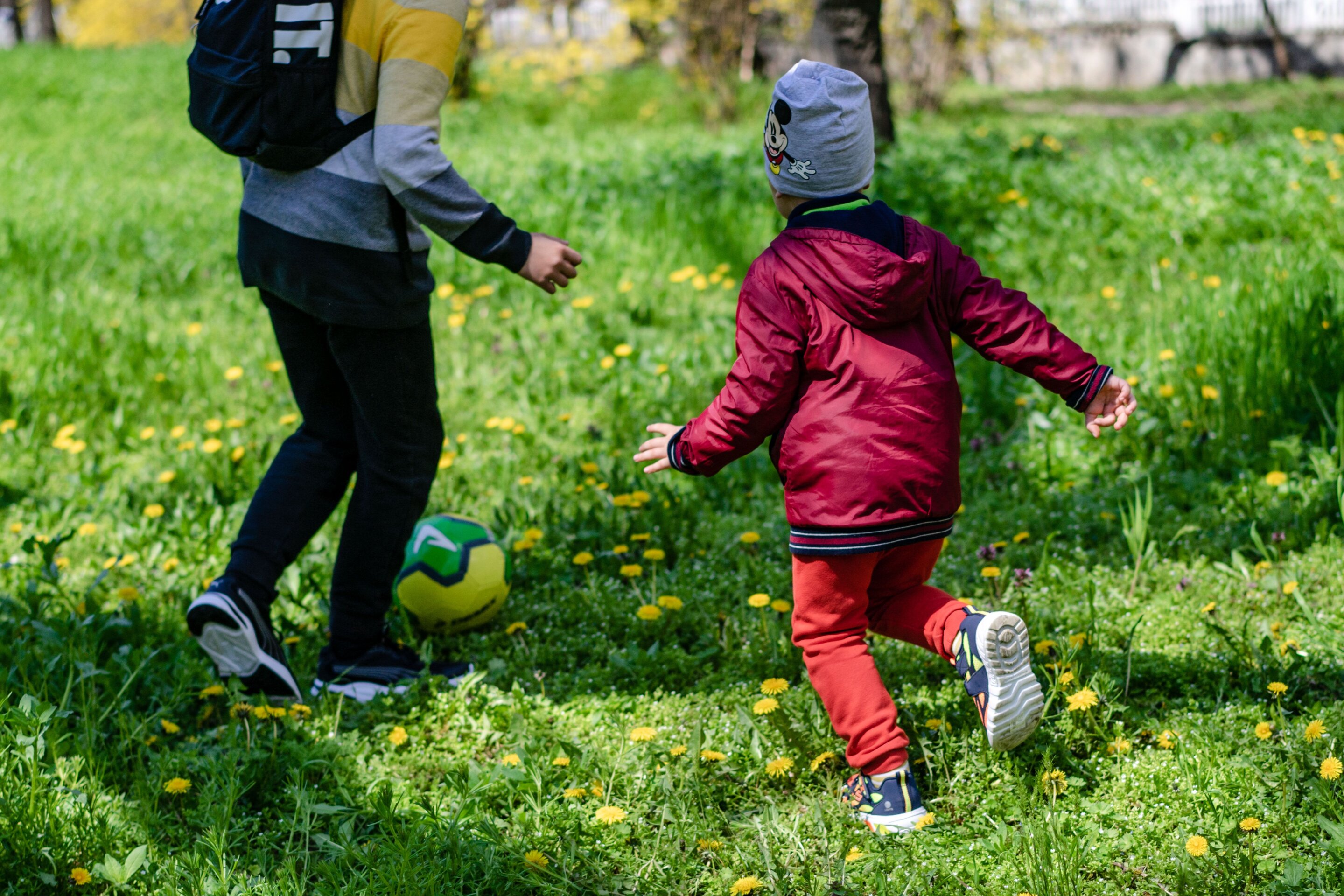
Getting youngsters to go outside and play doesn't just rely on family support, but also on a neighborhood coming together to create a good environment, University of Alberta research shows.
In a study involving 92 preschoolers and their families, the children tended to spend more time playing actively outdoors when their parents felt a strong sense of community involvement, says Yeongho Hwang, who led the research as part of his Ph.D. work in the Faculty of Kinesiology, Sport, and Recreation. The work is published in the Journal of Physical Activity and Health.
"Community efforts that strengthen civic engagement to improve the neighborhood and address shared concerns—such as creating safer environments—may help create more supportive conditions for preschool-aged children to play outdoors," he notes.
That active outdoor play—unstructured, fun physical activity—is important for healthy development, helping kids make social connections, improve their attention and focus, lower stress, build strong bones and get essential amounts of vitamin D, Hwang adds.
Making sure youngsters have a chance to frolic outdoors also supports their "right to play," stemming from the United Nations Convention on the Rights of the Child, he notes.
"It recognizes play as a fundamental right of every child, so active outdoor play is one way of supporting that during the preschool years."
To give researchers an accurate picture of daily movement, each child taking part in the study wore a small elastic belt with an accelerometer to capture movement intensity and a GPS monitor to record location over seven days during waking hours.
Source link