
This article has been reviewed according to Science X's editorial process and policies. Editors have highlighted the following attributes while ensuring the content's credibility:
A 'rising fog' may cloud the immune system's ability to detect tumors and may be the key to tackling lung cancer that is developing years before diagnosis. The team at University College London (UCL) followed this signal using prototype blood tests and reversed it using drugs.
Led by associate professor James Reading and professor Sam Janes, the study published in Nature potentially opens up new ways to intercept the disease in its early, precancerous stages.
There are around 32,800 lung cancer deaths in the U.K. every year. Only about 1 in 10 (11.1%) people diagnosed with lung cancer are predicted to survive for 10 years or more. By the time the disease causes noticeable symptoms, and in cases of advanced cancer, it is harder to treat.
Reading, an associate professor at UCL, said, "We urgently need new ways to prevent lung cancer in people at high risk of developing the disease. There was a moment when multiple members of my team were telling me that they'd spotted the same unusual regulatory T cell activity.
"What excited us most was that these cells weren't just signaling that cancer might be developing: It was also possible to target this immune fog to intervene and stop tumors from forming, which could give us new ways to prevent lung cancer."
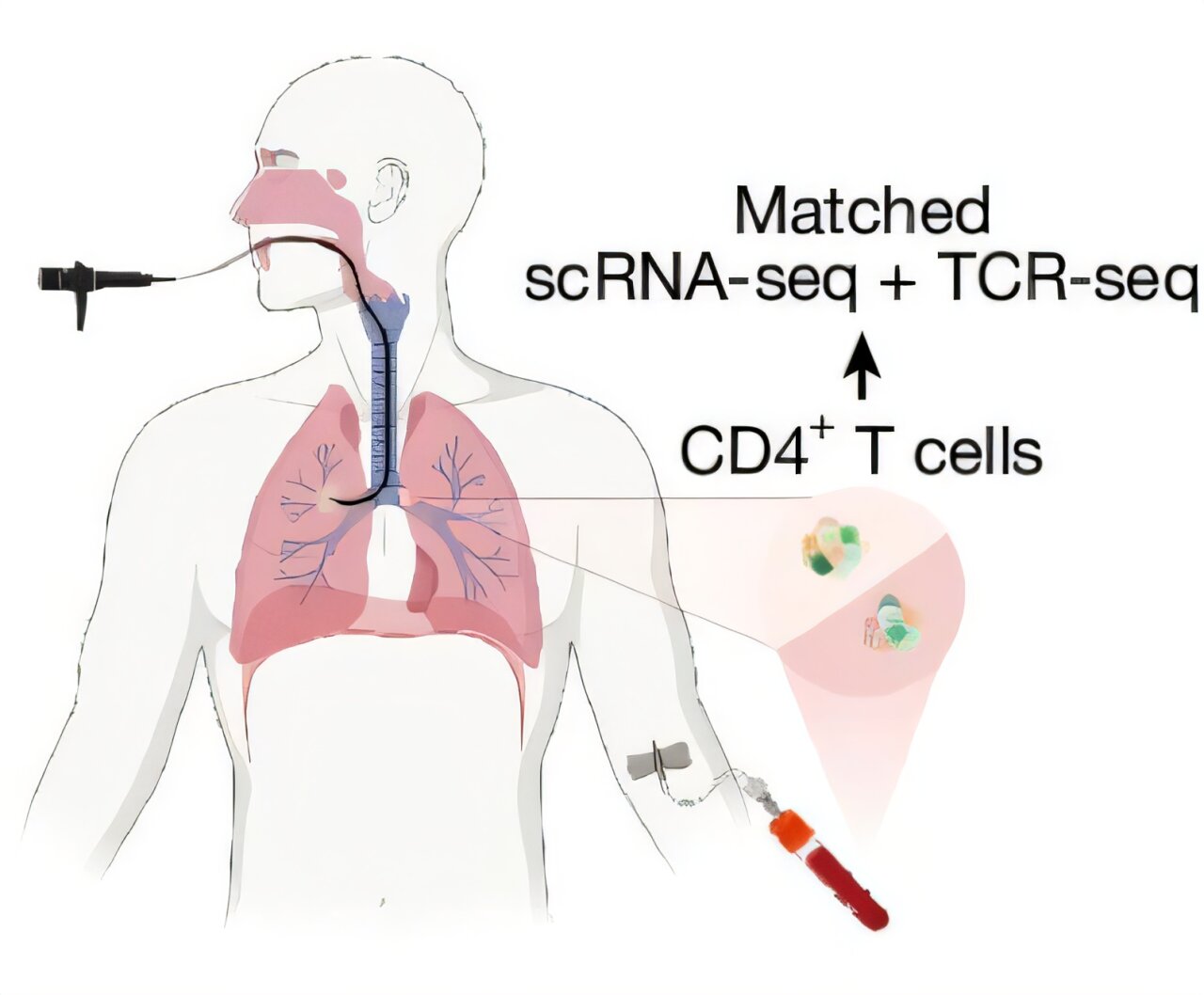
The team carefully studied blood and tissue samples collected from people taking part in long-running lung cancer surveillance and screening studies.
Source link





