This article has been reviewed according to Science X's editorial process and policies. Editors have highlighted the following attributes while ensuring the content's credibility:
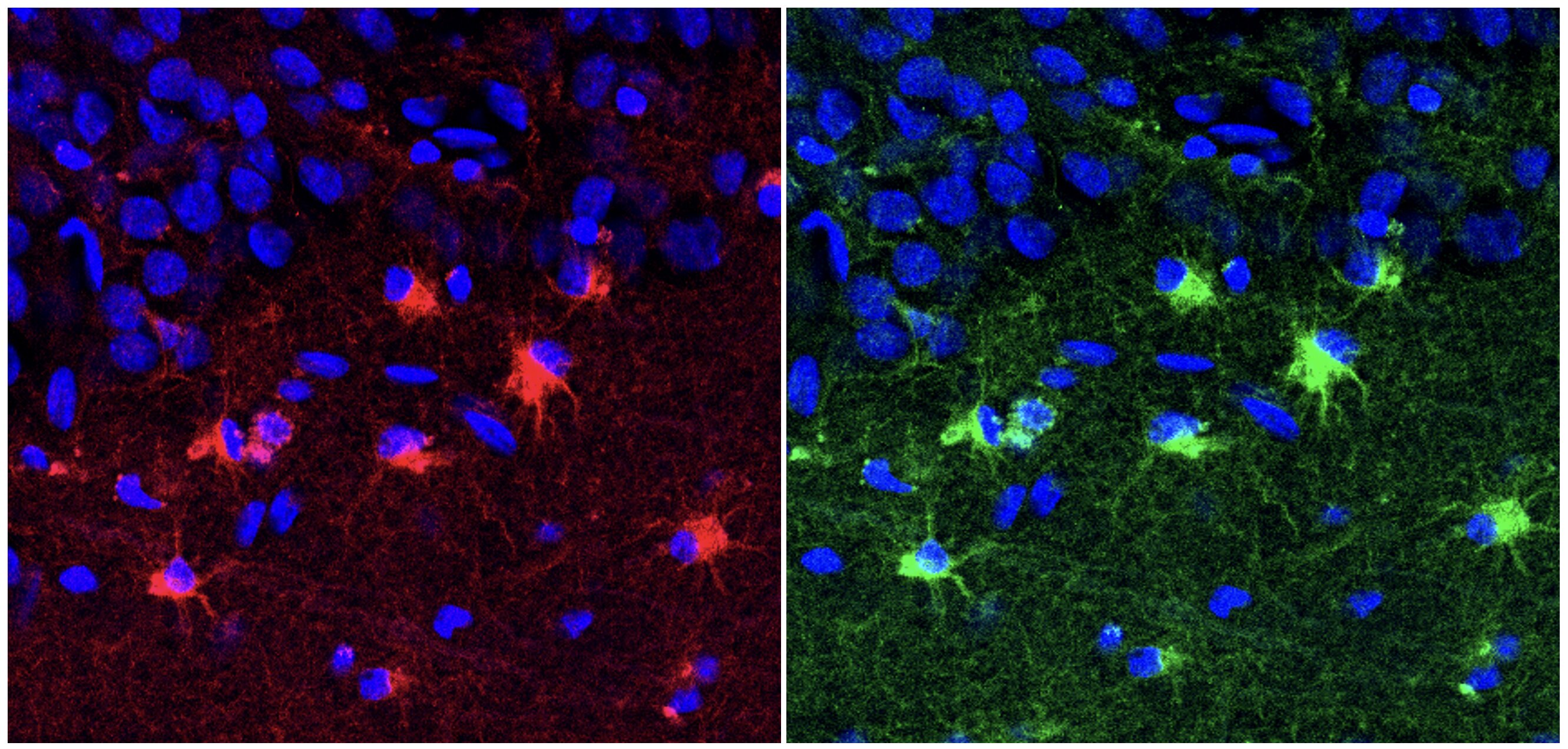
A new USC-led study links abnormal immature astroglia, star-shaped cells that support brain function, to lower fluid intelligence, or the ability to solve new problems, in older adults with epilepsy. Researchers from the USC Stem Cell lab of Michael Bonaguidi and their collaborators found that older epilepsy patients tended to have more abnormal immature astroglia in their brains, and that higher numbers of these cells were associated with poorer fluid intelligence. This ability to solve new problems declines with age and becomes impaired in Parkinson's disease, frontotemporal dementia and multiple sclerosis.
The study, published in the journal Frontiers in Cellular Neuroscience, is one of the first to link astroglia numbers to human cognition. Astroglia have traditionally been seen as support cells that help neurons communicate and promote a healthy overall brain environment. Past research on the role of these cells in cognition has mainly relied on animal models or indirect tests, such as measures of gene activity. The new study, by contrast, looks directly at human tissue removed during brain surgery and quantifies astroglia numbers.
The findings come from epilepsy patients, but could have implications well beyond this population, the researchers said. Astroglia could represent a new target for drugs and other treatments aimed at preserving cognitive function as we age.
"Aging is something we're all familiar with and all impacted by—it's a matter of when, not if.
Source link