
This article has been reviewed according to Science X's editorial process and policies. Editors have highlighted the following attributes while ensuring the content's credibility:
A new organoid model built with human lung fragments may help us answer key questions about one of the body's first lines of defense against respiratory pathogens. In a new study, researchers at the Stanford University School of Medicine elicited virus-specific immune responses from these organoids and showed that administering a virus booster weakened subsequent infections.
The findings suggest the lung mucosa's immune system alone may provide significant protection, adding to growing evidence that vaccination strategies designed to train the body's frontline defenses are a worthwhile pursuit. The models may also be ideal testing grounds for such interventions.
"These organoids retain key immune cells and functions of lung mucosa long term, allowing investigators to examine local tissue immunity separately from the other parts of the body's immune system," said John H. Powers III, M.D., acting director of NIH's National Institute of Allergy and Infectious Diseases (NIAID). "This platform may provide a replacement for animal models for some types of evaluations and may provide insights that tests in animal models could not capture."
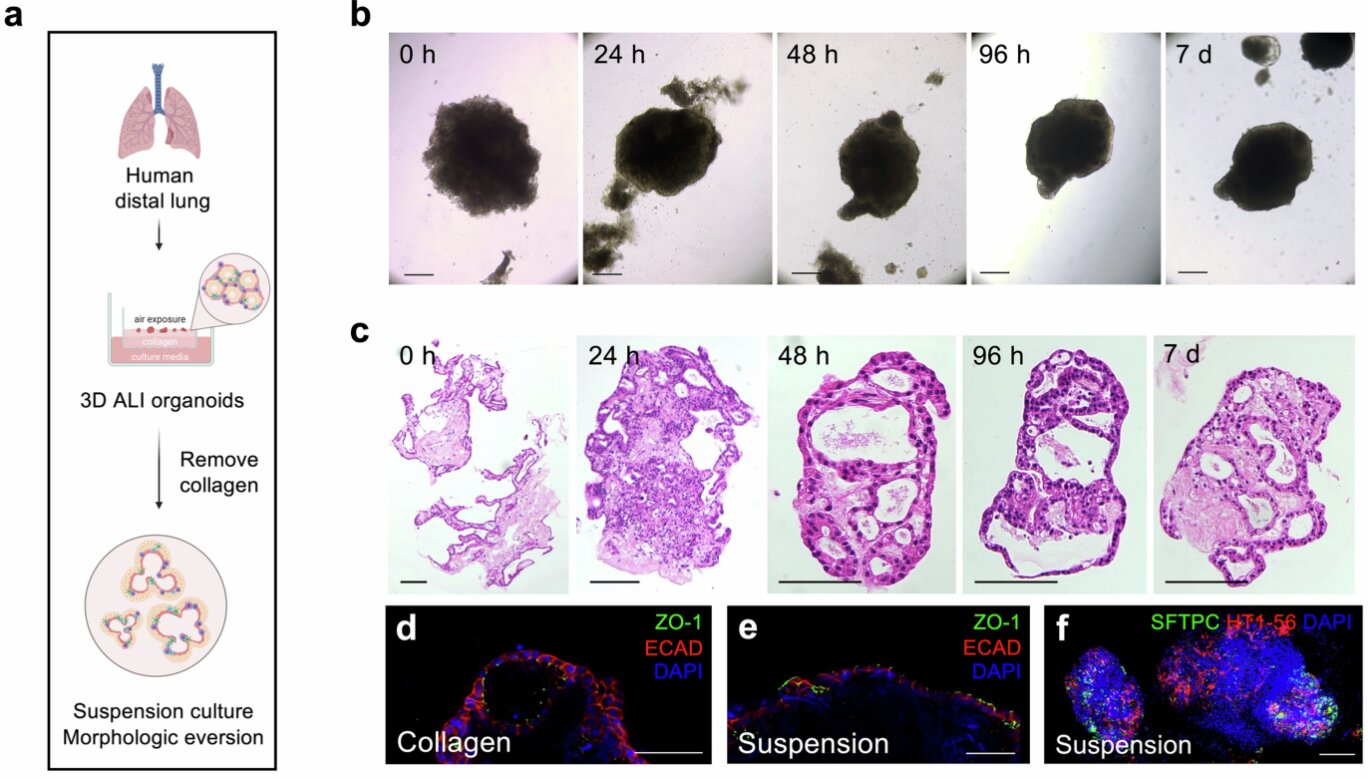
For the new study, published in Nature , the researchers transferred pieces of intact distal lung tissue from more than 220 patient volunteers into a unique cell culture system that simulated the lung's life-sustaining gas exchange. The authors sustained organoids within this 3D air-liquid interface for up to several months, during which they found many critical immune cell populations thriving.
Source link





