
This article has been reviewed according to Science X's editorial process and policies. Editors have highlighted the following attributes while ensuring the content's credibility:
Vaccination not only prevents disease caused by acute infection but also protects against long-term immune-related sequelae that can follow an acute viral infection. This is the main conclusion of a study led by the Infection Biology Laboratory at Pompeu Fabra University.
The study, carried out in mice, shows how, after recovering from an acute viral infection, animals experienced a long period of impaired immune responsiveness that compromised their immune system's ability to respond effectively to future challenges. Prior vaccination prevented these detrimental consequences, preserving immune function and broadening our understanding of the benefits of vaccination.
We often think of acute viral infections—such as the common cold or a gastrointestinal virus—as simple sequential events: The virus multiplies and causes symptoms of illness, then the virus is controlled and, eventually, the subject recovers. This overall process also generates virus-specific immunity that helps protect against future encounters with the same pathogen. But what if recovering from an acute infection involves much more than this?
A study led by researchers from the Infection Biology Laboratory at Pompeu Fabra University, published in Cell Death & Disease, shows that recovering from an acute viral infection can come with long-term costs to the immune system.
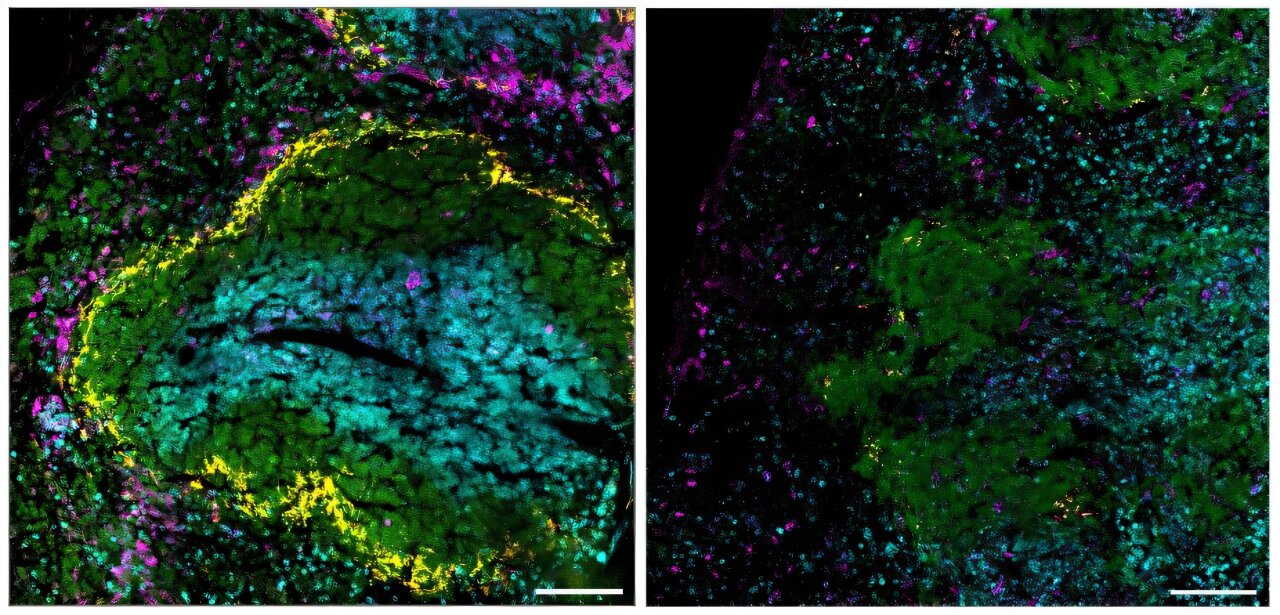
Using a mouse model of acute infection, the researchers found that although the animals controlled the virus and recovered from the acute phase of the infection, their immune system remained altered for much longer.
Source link





