
This article has been reviewed according to Science X's editorial process and policies. Editors have highlighted the following attributes while ensuring the content's credibility:
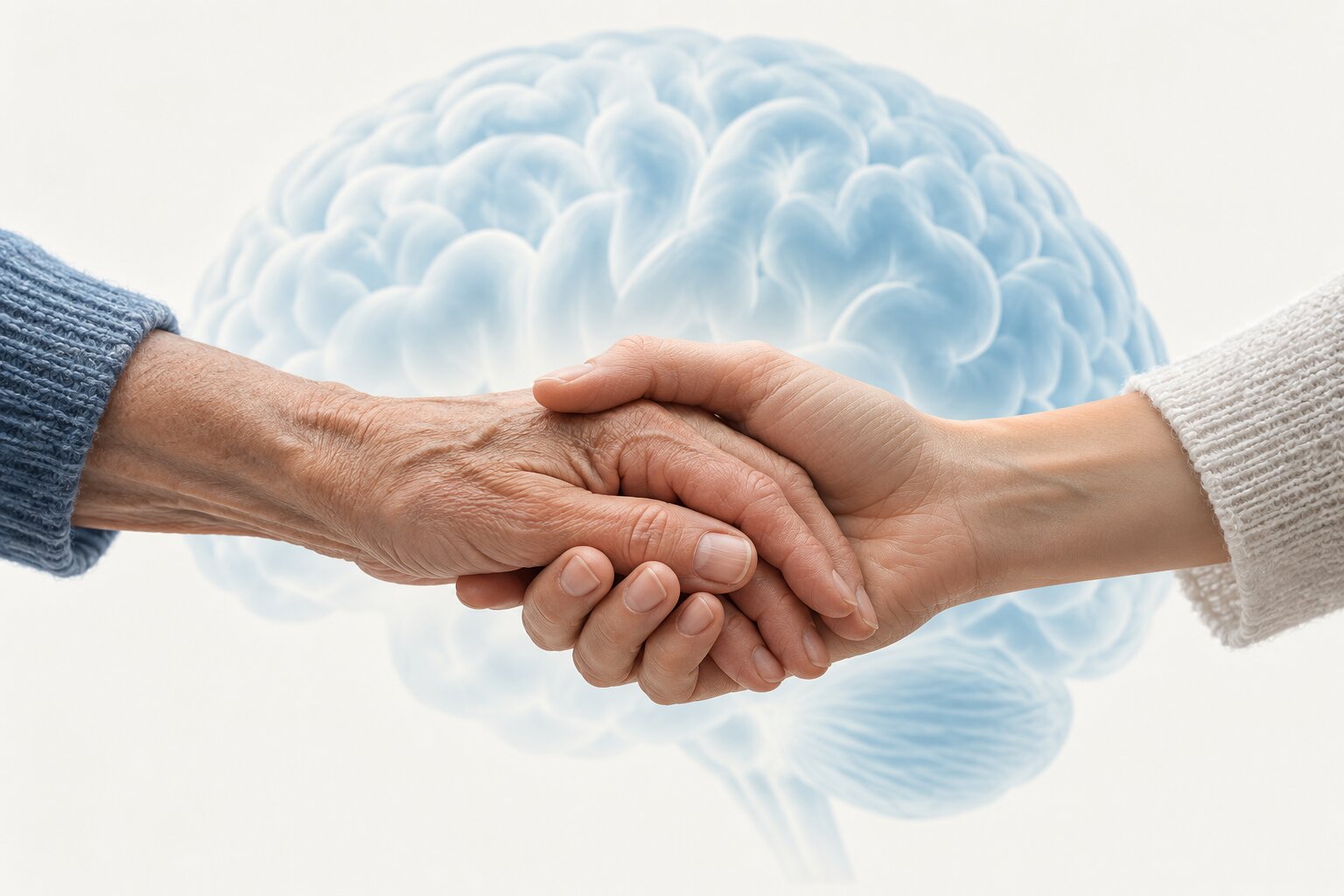
Population surveys and research studies suggest that meaningful social connections are strong predictors of health and longevity. In other words, a sense of belonging to a social group and strong social bonds appear to be linked with better health and a longer lifespan.
Most earlier studies, however, primarily focused on the possible health-related benefits of receiving social support or interacting with others regularly. In contrast, the potential benefits of supporting and helping others remain largely unexplored.
Researchers at Georgetown University, Emory University and the University of Wisconsin–Madison recently carried out a study investigating the possibility that time spent supporting others is associated with brain health. Their findings, published in Translational Psychiatry, suggest that the brains of people who report spending more time supporting others appear younger (relative to their actual age) than those of people who report spending less time helping others.
To explore the link between helping others and brain health, the researchers analyzed data collected as part of the Midlife in the United States (MIDUS) study. This is a large-scale research effort that gathered data related to health and well-being from thousands of adults living in the U.S.
"While previous research has mainly focused on the benefits of receiving social support, the neuroprotective potential of providing social support to others remains underexplored," Minwoo Lee, James K. Rilling and their colleagues wrote in their paper.
Source link





