
This article has been reviewed according to Science X's editorial process and policies. Editors have highlighted the following attributes while ensuring the content's credibility:
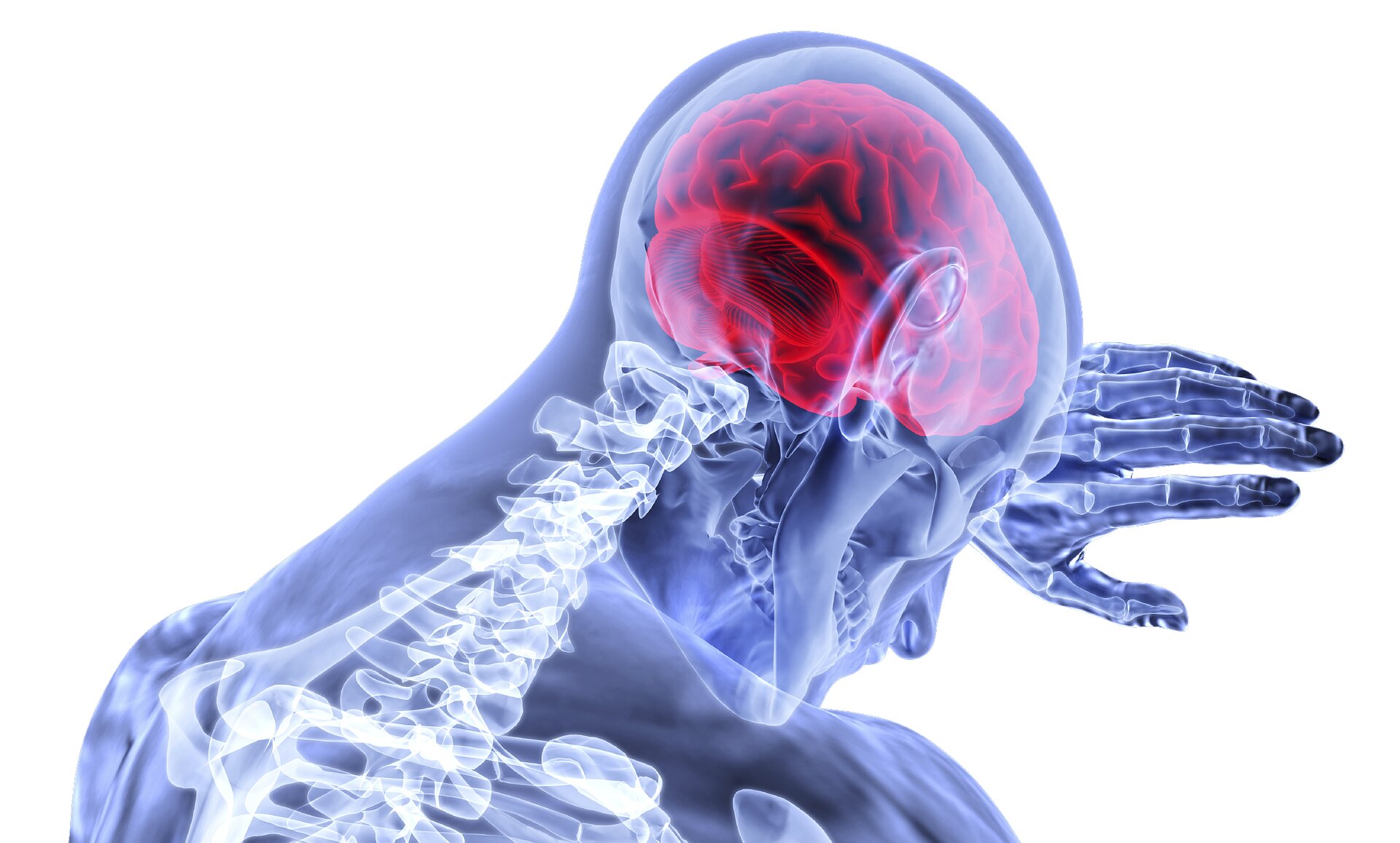
A graphene-based brain sensor could help doctors watch the hidden damage unfolding during a stroke in real time, offering new hope of preventing devastating brain injuries before they become irreversible.
The ultrasensitive monitoring technology reveals how different parts of the brain respond during a stroke, potentially allowing doctors to identify which areas can still be saved and which are at greatest risk of further harm.
The study in mice, published in Brain, brought together researchers from The University of Manchester, the Institute of Microelectronics of Barcelona (IMB-CNM, CSIC), the Catalan Institute of Nanoscience and Nanotechnology (ICN2) and industry partner Multi Channel Systems in Germany.
Ischemic stroke is one of the leading causes of death and disability worldwide and occurs when a blockage cuts off blood supply to part of the brain.
But scientists say the initial loss of blood flow is only part of the story, because a second wave of damage can spread through surrounding tissue in the hours that follow.
These waves, known as cortical spreading depolarizations, are bursts of abnormal electrical activity that travel through injured brain tissue and can contribute to the expansion of the original injury.
Until now, researchers have struggled to study the signals accurately because conventional monitoring technologies cannot reliably capture the extremely slow electrical changes involved.
However, using advanced graphene-based sensors placed directly on the brains of mice, the team recorded these events in unprecedented detail, revealing signals that are poorly captured by conventional recording technologies and whose significance has therefore not been fully appreciated.
Source link





