This article has been reviewed according to Science X's editorial process and policies. Editors have highlighted the following attributes while ensuring the content's credibility:
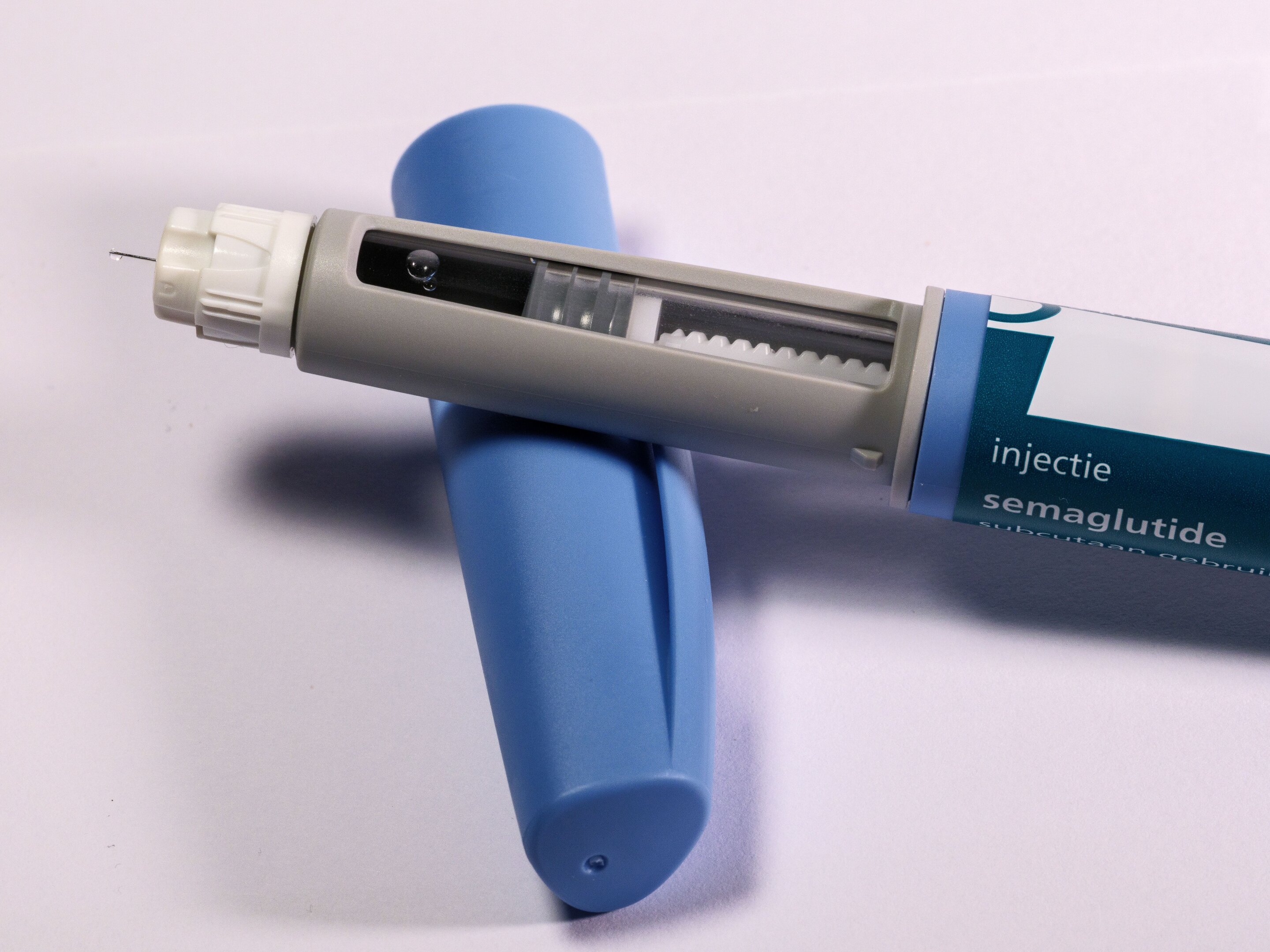
Years of research point to obesity and type 2 diabetes raising the risk of developing several types of cancer. Glucagon-like peptide-1 receptor agonists (GLP-1 RAs), a recent medical breakthrough, were originally developed for blood sugar control or diabetes management and also work overtime promoting weight loss. Scientists are curious to explore whether there are any links between these drugs and the onset of cancers in people with diabetes.
A recent study published in JAMA Network Open examined the risk of developing obesity-related cancers among patients starting on GLP-1 receptor agonists, compared with other common diabetes medications—metformin, insulin, sulfonylureas, SGLT2 inhibitors and DPP-4 inhibitors.
The researchers analyzed electronic health records of 359,595 adults treated at UT Southwestern Medical Center between Jan. 1, 2010, and July 31, 2025. From this pool, they identified patients who fit the criteria and then tracked them for three to five years. They considered the first occurrence of any obesity-related cancer as the study's primary outcome.
Patients who started GLP-1 drugs had a lower risk of developing obesity-related cancers over three years than those who began treatment with insulin or sulfonylureas. The difference in estimated cancer risk was 1.25 percentage points compared with insulin and 1.14 percentage points compared with sulfonylureas.
In patients with type 2 diabetes, doctors choose a medication based on a patient's preexisting complications. Those with more advanced diabetes or kidney and blood vessel damage are often prescribed treatments like insulin later in their disease course, while others are prescribed metformin or SGLT2 inhibitors based on their blood sugar levels and needs.
Source link