
This article has been reviewed according to Science X's editorial process and policies. Editors have highlighted the following attributes while ensuring the content's credibility:
Researchers have carried out the first single-cell analysis of mitochondrial DNA in a population of brainstem neurons that are particularly vulnerable to degeneration in Parkinson's disease.
The study, published on October 7 in Brain, reveals extensive damage to mitochondrial DNA in these neurons and identifies evidence of a potentially protective response involving the mitochondrial quality-control gene PINK1. This response was particularly pronounced in people who survived longer after their Parkinson's diagnosis.
The findings could help medical and clinical scientists understand why these neurons are vulnerable in Parkinson's disease and identify ways to strengthen the brain's natural mechanisms for protecting them.
Genetic and biomedical researchers from the University of Birmingham and Newcastle University used advanced single-cell mitochondrial DNA sequencing and computational analysis to study individual neurons from postmortem brain tissue donated by people with Parkinson's disease, as well as healthy control tissue.
The neurons produce acetylcholine, a chemical messenger important for functions including sleep, cognition and movement. Their loss is associated with some of Parkinson's most disabling and treatment-resistant symptoms, including problems with gait and balance, sleep disturbances, cognitive decline and, in some people, psychosis.
Researchers found extensive large-scale deletions in mitochondrial DNA, particularly within a region known as the "major arc." This region contains many genes essential for producing energy in cells.
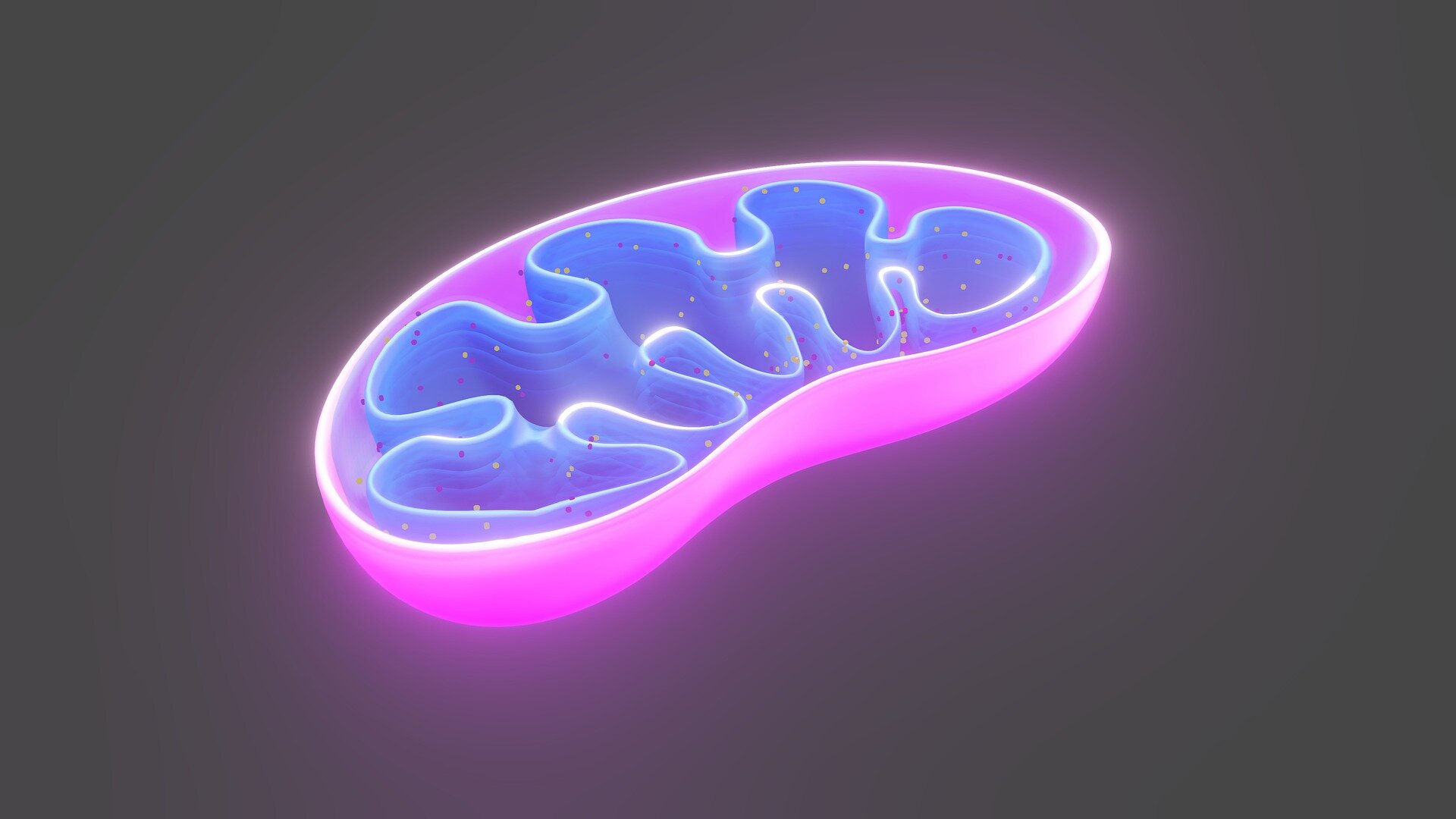
Mitochondria are often described as the cell's powerhouses. Damage to their DNA can interfere with their ability to produce energy, potentially leaving neurons less able to cope with the demands placed on them.
Source link





