This article has been reviewed according to Science X's editorial process and policies. Editors have highlighted the following attributes while ensuring the content's credibility:
Preeclampsia affects up to 8% of pregnancies worldwide and contributes to about 16% of maternal deaths globally, making the condition one of pregnancy's most serious complications. For women diagnosed with preeclampsia, the only cure is often to deliver the baby—even if the pregnancy has not yet reached full term.
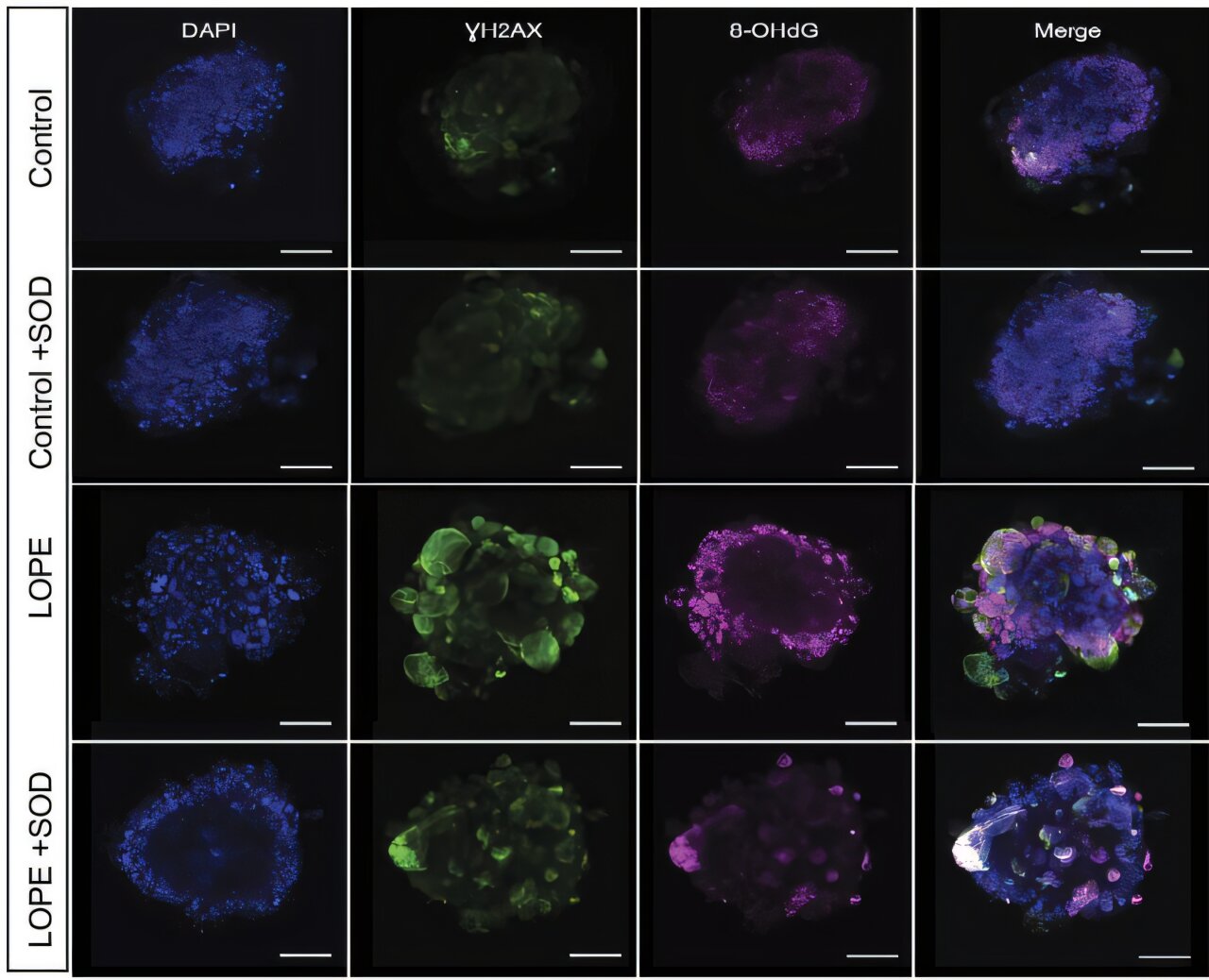
New research led by Flinders University, in collaboration with the Robinson Research Institute at Adelaide University, has uncovered clues about why preeclampsia occurs, finding that a placenta may age prematurely. Researchers have also identified the biological pathways that could eventually help protect mothers and babies. The work is published in the Proceedings of the National Academy of Sciences.
Lead author Dr. Anya Arthurs from Flinders Health and Medical Research Institute (FHMRI) says the study goes beyond identifying a damaged placenta to explain what may cause that damage.
"Rather than being simply a consequence of disease, placental aging may be an important process that contributes to preeclampsia. Understanding what drives this process gives us new opportunities to explore ways of protecting placental function and improving outcomes for mothers and babies," says Arthurs.
"Previous research has linked placental aging to pregnancy complications, but we wanted to understand the processes causing a placenta to age prematurely. Our findings identify key biological pathways involved in this process and highlight possible targets for future treatments."
The placenta acts as a baby's lifeline during pregnancy, supplying oxygen and nutrients while removing waste.
Source link