This article has been reviewed according to Science X's editorial process and policies. Editors have highlighted the following attributes while ensuring the content's credibility:
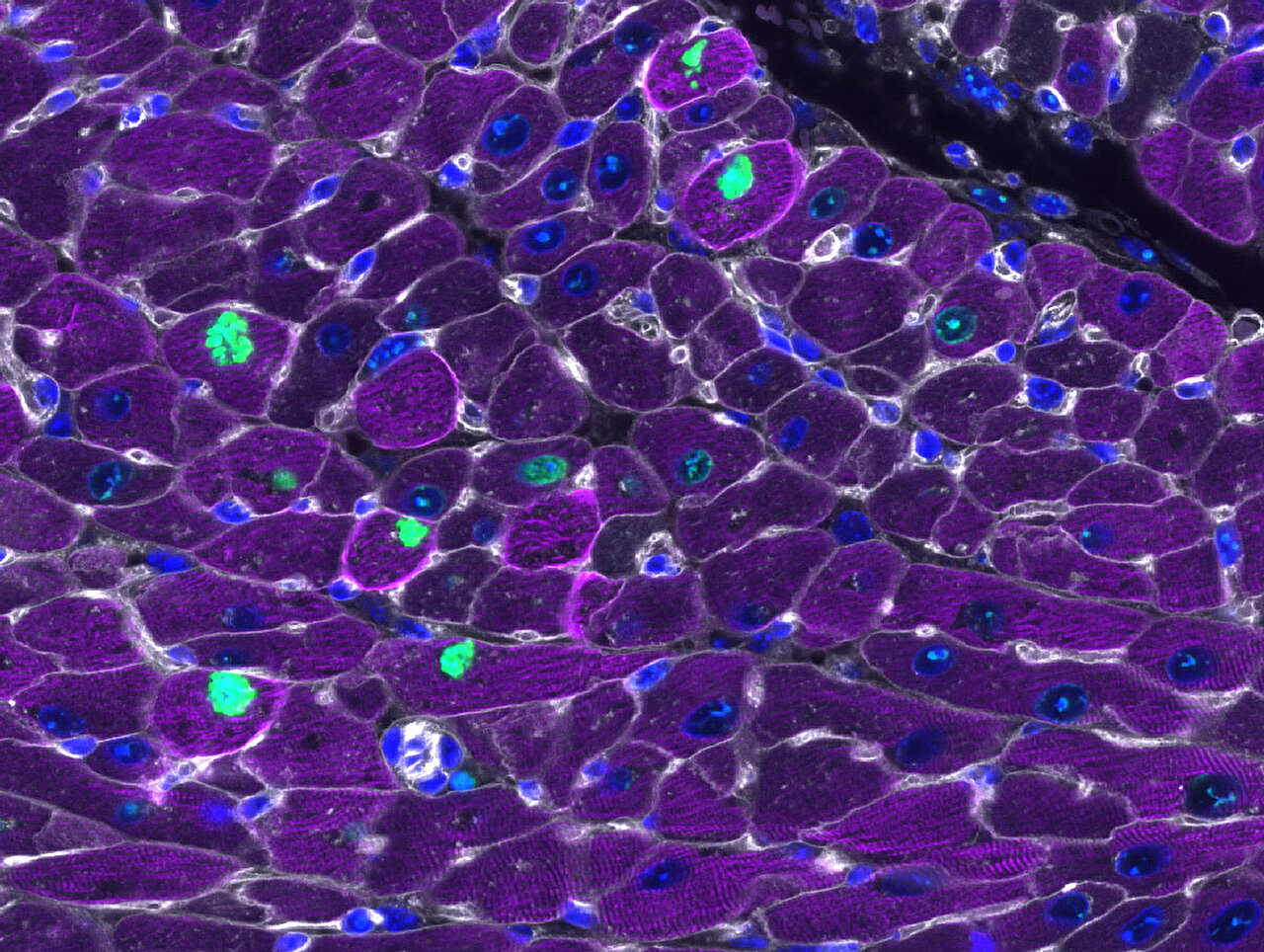
Scientists have developed a treatment that 'reawakens' heart muscle cells so they start to divide and help repair damaged muscle.
In a study in mice, this produced a stronger heartbeat and increased the amount of blood pumped through the heart with each heartbeat by around 10%, compared with mice that received a mock treatment, following a heart attack.
While this is not a full cure, even small improvements to heart function have been linked to lower mortality in patients and a better ability to carry out daily activities.
The treatment uses mRNA therapy to temporarily activate two proteins inside heart cells, called Myc and Cyclin T1, promoting repair of heart tissue.
This has the potential in the future to be used to treat patients with heart failure. Around 200,000 people in the U.K. are diagnosed with heart failure each year, and while current treatments can reduce symptoms and slow the progression of heart disease, they can't regenerate heart muscle that has already been lost.
"These are really exciting results. There's no cure for heart failure, and our treatment could potentially have a meaningful impact on the quality of life of millions of people around the world," said Dr. Catherine Wilson, associate professor at the University of Cambridge's Department of Pharmacology and Gurdon Institute, co-senior author of the study.
She added, "We're not just treating the symptoms of heart failure—this approach could help the heart to repair itself."
Source link