
This article has been reviewed according to Science X's editorial process and policies. Editors have highlighted the following attributes while ensuring the content's credibility:
Older people could be monitored safely in their own homes without the need for intrusive cameras or wearable devices thanks to new research by Nottingham Trent University (NTU).
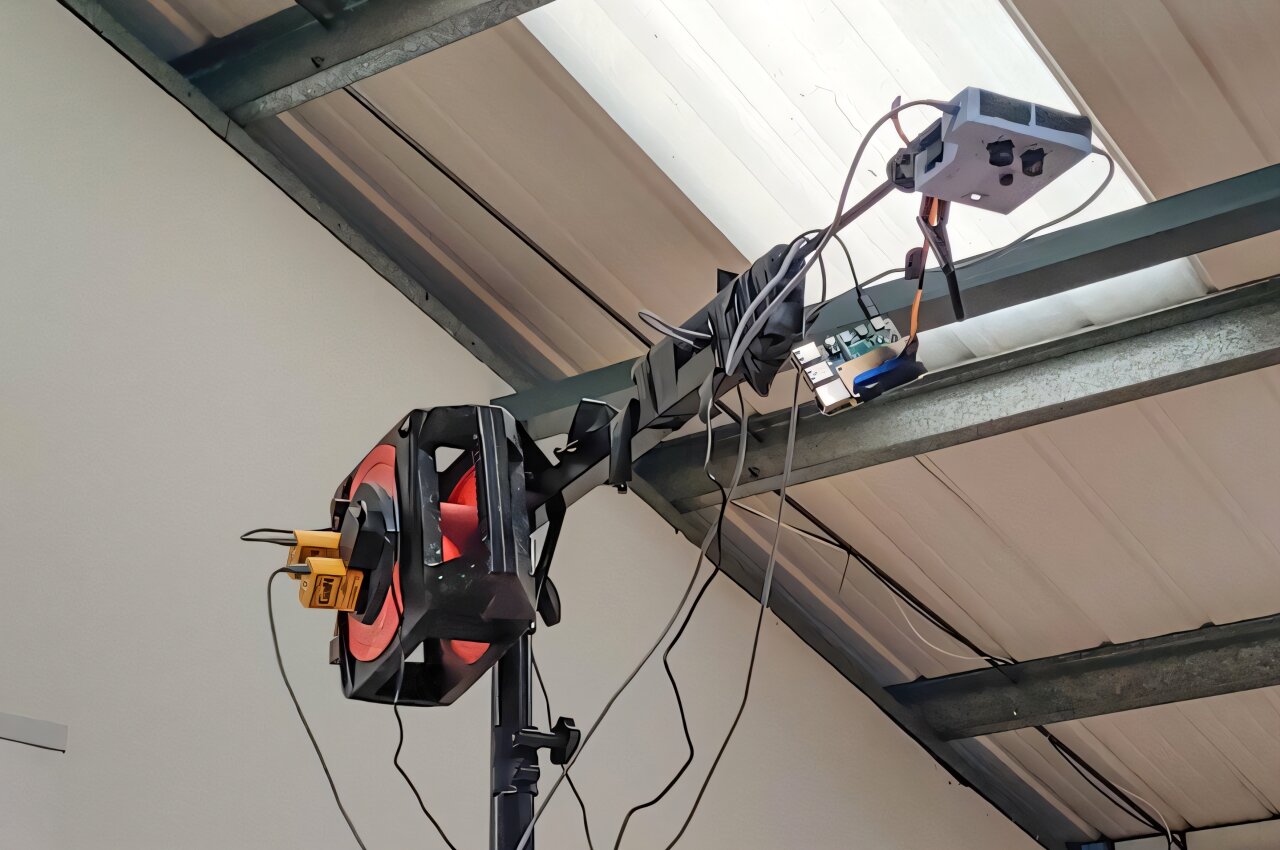
A study, in collaboration with Integrated System Technologies Ltd, has led to the development of a low-cost monitoring system that combines radar, heat sensors and smart plugs to track daily routines while protecting privacy.
The system incorporates artificial intelligence (AI) to combine data from the three monitoring technologies to identify possible health events, such as falls, heart attacks, strokes or other critical illnesses.
The study, titled "Privacy-Preserving Ambient Sensing for Activities of Daily Living: Multimodal Radar-Thermal Human Activity Recognition and Smart Plug Appliance Recognition," has been published in the journal Sensors.
Dr. Yangang Xing, lead researcher from NTU's School of Architecture, Design and the Built Environment, said, "This technology aims to support the growing number of older adults who wish to remain in their own homes for longer, rather than moving into residential care.
"By combining these three technologies, we can establish a complete picture of how someone is coping at home. As well as detecting emergencies, it could provide an early warning if a person's mobility or daily routine begins to deteriorate."
The system uses millimeter-wave radar as a low-cost way to detect movement in a property, with multiple sensors placed discreetly around the home at chosen locations.
Source link





