
This article has been reviewed according to Science X's editorial process and policies. Editors have highlighted the following attributes while ensuring the content's credibility:
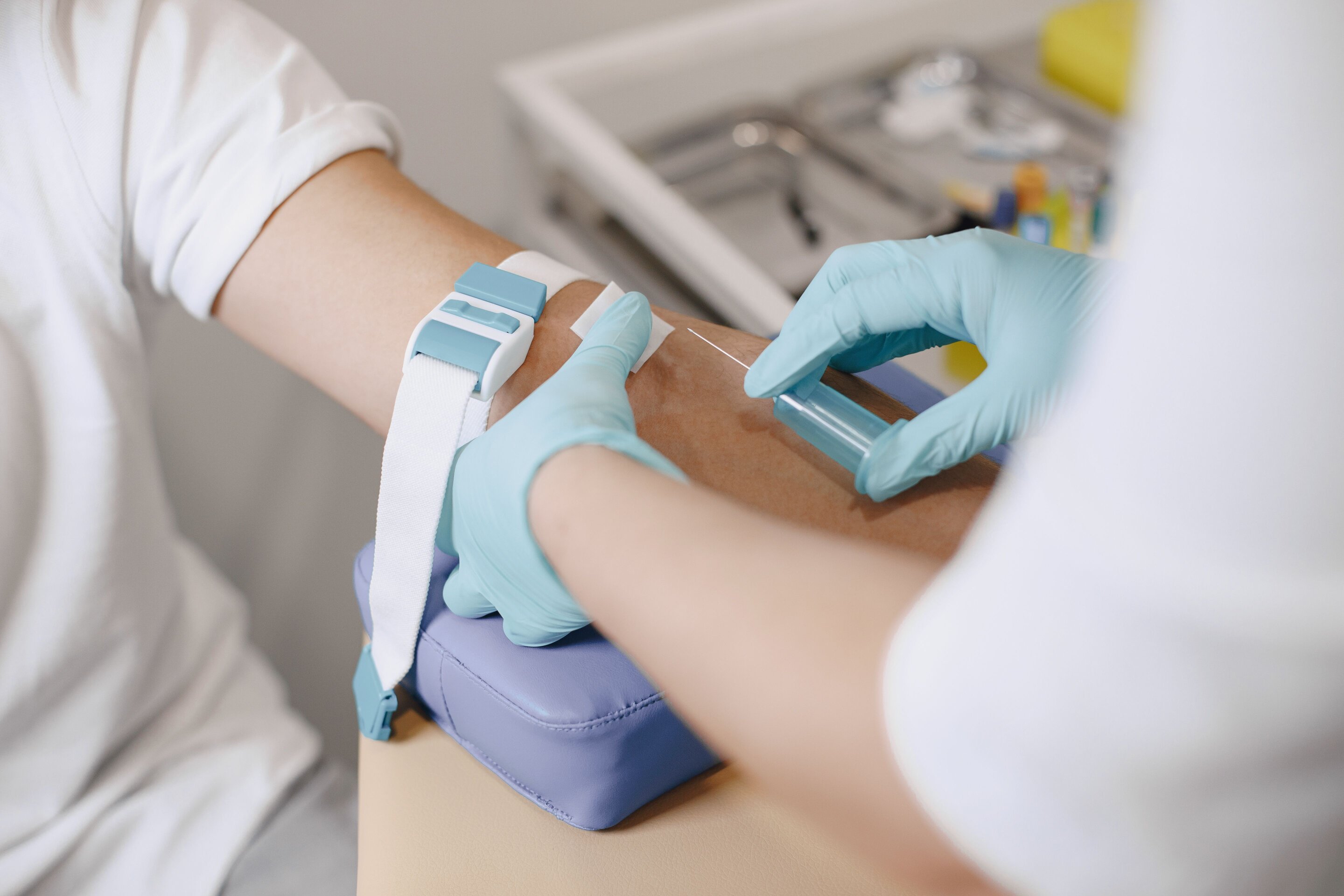
Even a routine blood test may come with an overnight fasting requirement. Many medical practices still ask patients to go without food for 8–12 hours before blood is drawn. While the protocol was originally recommended for glucose and lipid testing, over time, it became the default requirement for almost all routine blood panels. Why it is still followed for such a broad range of routine lab tests is a question that researchers from South Korea asked in a recent study.
The team set out to determine whether fasting is really necessary before routine blood tests and whether the length of the fast actually matters. They analyzed millions of test results from routine blood work collected from 101,148 adults.
For most tests, it made little clinical difference whether patients had fasted for a few hours or much longer. Only a handful showed meaningful changes. Blood glucose, triglycerides, liver enzymes and lipase were noticeably higher when patients had fasted for less than 8 hours.
Lab tests act as the guiding light for many diagnoses. They also help monitor existing conditions while raising red flags regarding one's risk of developing a disease or condition in the future. Eating is one of many factors that can affect blood test results. Since it is also the most easily controllable, fasting for somewhere between 8 and 12 hours has become a norm for blood tests across the globe.
Source link





