
This article has been reviewed according to Science X's editorial process and policies. Editors have highlighted the following attributes while ensuring the content's credibility:
The future benefits expected from remote monitoring in health care are shaped by how professionals understand their current work and its associated challenges, a recent study from the University of Eastern Finland shows.
The study is published in the journal Global Qualitative Nursing Research.
Researchers interviewed health care professionals involved in a remote-monitoring pilot for older patients with neurological conditions.
The study examined home-based digital monitoring as a new way of organizing care, with nurses' day-to-day work playing a central role during the pilot phase, when remote monitoring was still being tested.
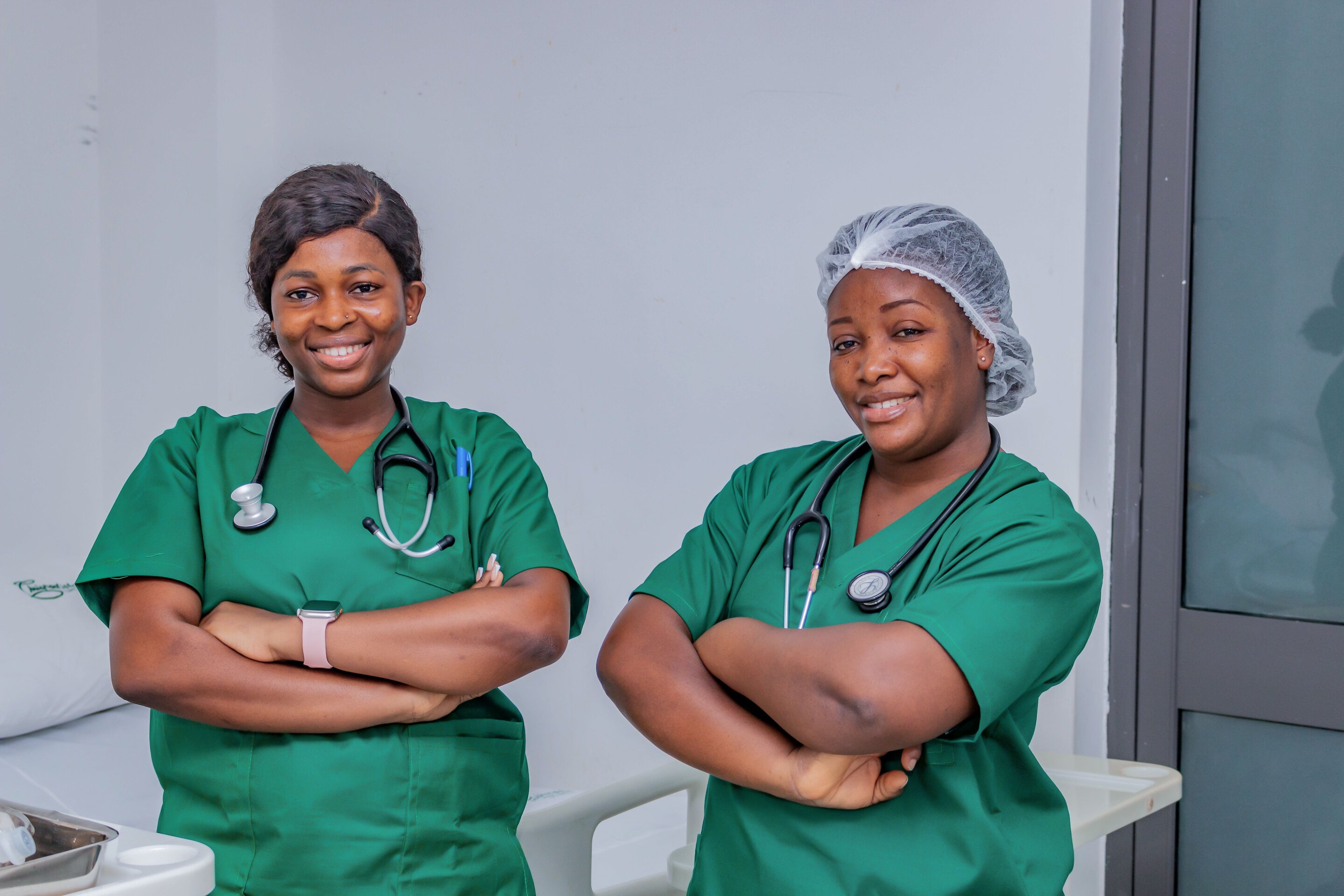
Nurses described remote monitoring as involving a considerable amount of day-to-day work, including advising and encouraging patients, solving technical problems and taking on new monitoring tasks.
At the same time, remote monitoring was expected to make future nursing work more efficient and streamlined as technologies develop and practices become established.
Patients were seen as needing considerable support in the early phases, while future patients were expected to manage more independently.
A key finding of the study was that experiences of remote monitoring and expectations about its future are closely connected, but not without tensions.
"The promises of digital health are not only about the future. They also shape how professionals understand their current work," says doctoral researcher Melika Azim Zadegan of the University of Eastern Finland.
The study highlights that developing digital health services requires more than technological development.
Source link





