This article has been reviewed according to Science X's editorial process and policies. Editors have highlighted the following attributes while ensuring the content's credibility:
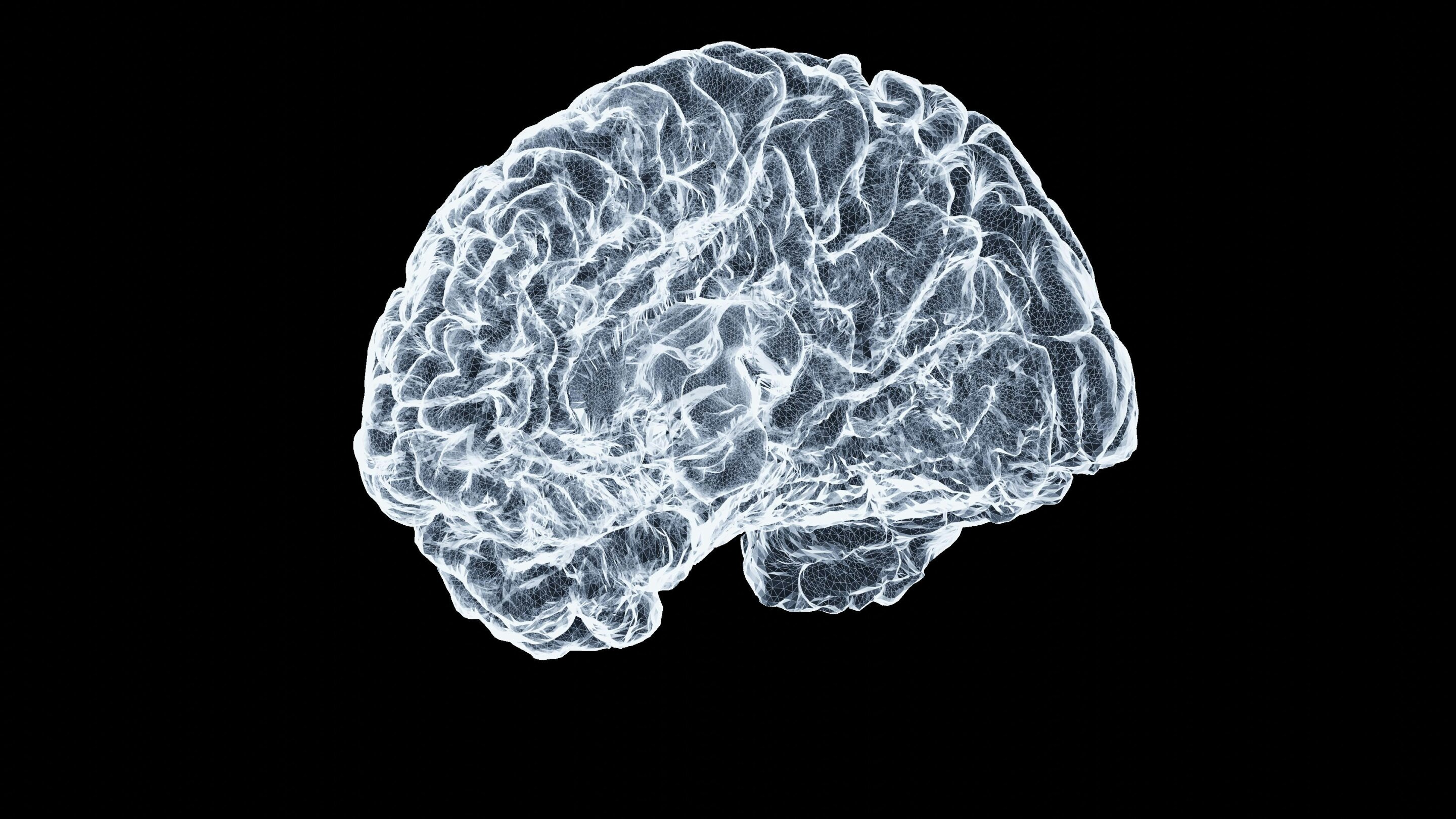
Deep brain stimulation (DBS) has traditionally been used to treat movement disorders and more recently some mental health disorders such as certain forms of depression, but research has suggested it can affect learning and memory as well.
Baylor College of Medicine researchers studying Rett syndrome at the Duncan Neurological Research Institute (NRI) at Texas Children's Hospital have found that DBS targeted to a certain area of the brain can improve learning and memory in a mouse model of Rett syndrome, offering new insights into the brain mechanisms involved in this disorder and potential future treatment targets.
The findings, published in the Proceedings of the National Academy of Sciences, show that DBS promotes the development of newborn neurons into hippocampal neural circuits. In Rett syndrome, MeCP2 gene deficiency impairs the development of newborn neurons, resulting in reduced dendritic formation and impaired synaptic function among other developmental dysfunctions.
Dr. Jianrong Tang, associate professor of pediatric neurology at Baylor and a neuroscientist at the Duncan NRI, has spent years investigating how neural circuits support cognitive functions such as learning and memory. Working with Rett syndrome mouse models, Tang and collaborators examined how disruptions in these circuits contribute to cognitive difficulties.
"We found that the Rett syndrome model showed impaired communication between neurons in the hippocampus. Signal transmission between neurons was disrupted and their ability to strengthen connections— synaptic plasticity , a process important for memory formation—was also altered," Tang said.
Source link