Prosecutors say the company filled unnecessary prescriptions that fueled the opioid epidemic.
The federal government, as well as states and municipalities, have attempted to hold corporations accountable for the opioid crisis. The epidemic, which researchers divide into waves, took the lives of nearly 80,000 people in 2023, a nearly 10-fold increase compared to 1999.
Drugmakers, distributors and retailers have paid billions of dollars in recent years to settle claims they downplayed the risk of addiction from opioids like OxyContin and promoted the drugs without disclosing risks. Some companies, like Purdue Pharma, were also accused of paying kickbacks to doctors and software companies to prescribe more opioids.
As of April, the total sum of settlements reached between U.S. states, municipalities and tribal governments totaled over $58 billion, according to the Opioid Settlement Tracker.
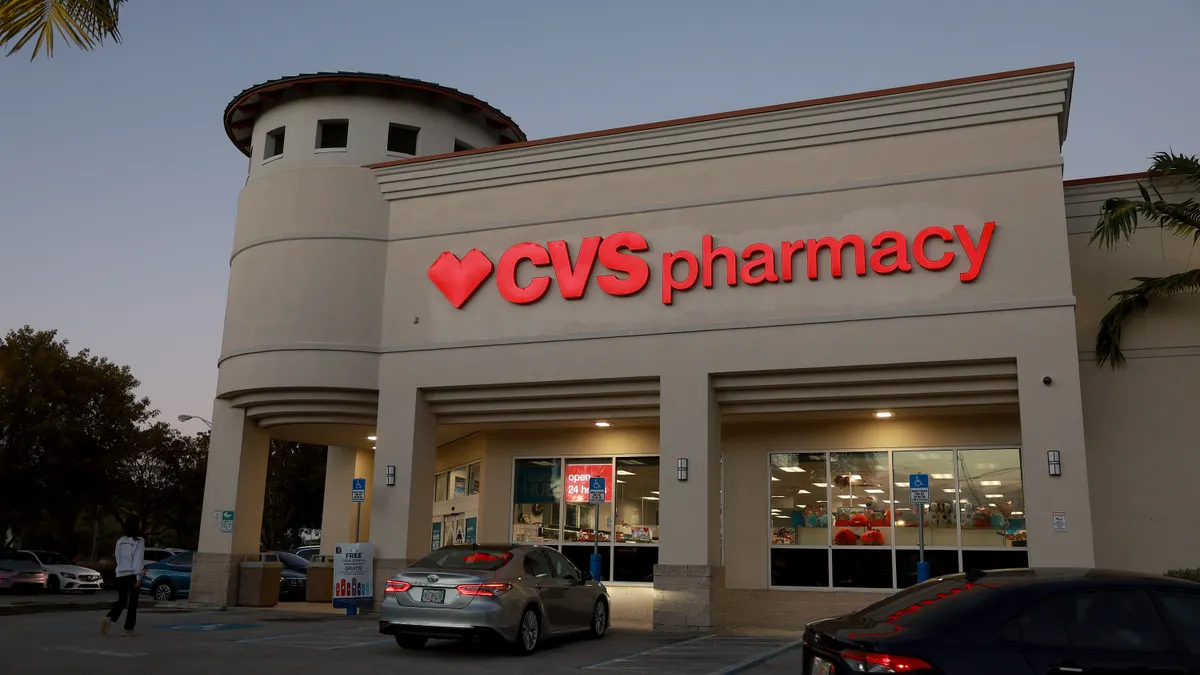
CVS itself has paid $5 billion to settle lawsuits claiming it mishandled prescribing opioids.
The recent settlement from CVS puts to rest a lawsuit brought by the Biden administration in 2024, which alleged that CVS knowingly filled prescriptions for opioids without a legitimate medical purpose. Prosecutors also said CVS dispensed opioids in “excessive quantities,” including “trinity” medications, a combination of an opioid, a benzodiazepine and a muscle relaxant that is addictive and carries a high risk of overdose.
The DOJ also claimed CVS imposed performance metrics and tied compensation to prioritize pharmacy profits over patient safety, and prevented pharmacists from warning each other about “problematic prescribers.”
The settlement also resolves a whistleblower complaint brought by former CVS employee Hilary Estright that alleges CVS submitted false reimbursement claims to the government by billing federal health insurance programs for those prescriptions.
Source link