
This article has been reviewed according to Science X's editorial process and policies. Editors have highlighted the following attributes while ensuring the content's credibility:
Even when we are not speaking aloud, we often talk to ourselves in our heads, using language to guide our thoughts and actions. This is known as "inner speech" and is involved in cognitive functions such as attention and self-control. However, studying how inner speech develops is challenging, particularly in young children, who may not yet be able to clearly describe what is happening in their minds.
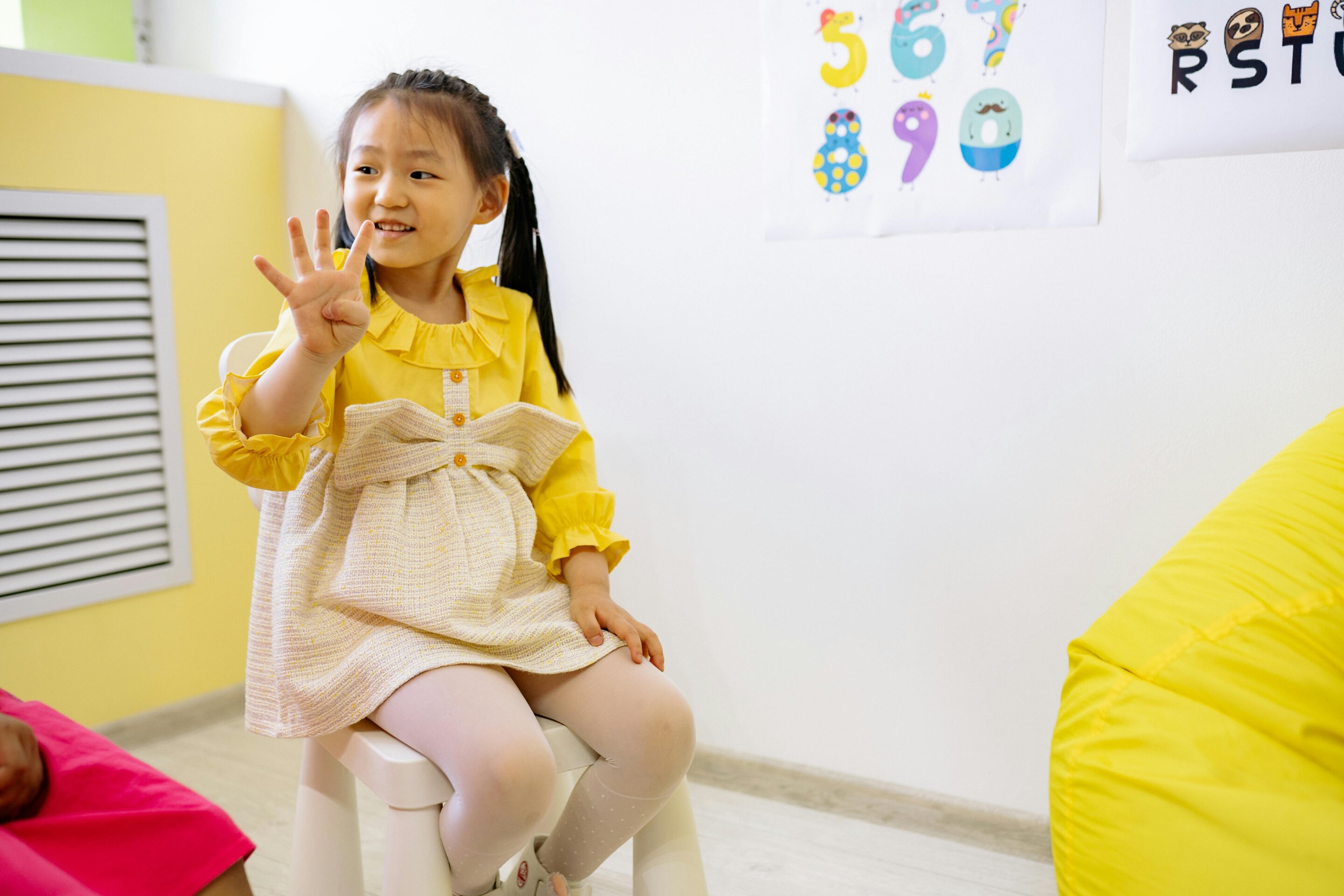
To address this challenge, researchers at the University of Tsukuba developed a simple mental counting task for children ages 3–6 and adults. Participants counted from 1 to 5 five times aloud and five times silently, attempting to maintain the same pace across trials. The researchers measured the variability in counting time across repetitions and compared this variability between aloud and silent counting. Participants were also asked whether people could use words in their heads without speaking aloud.
The results showed that silent counting became more consistent with age: Older children showed less variation in the time required to count from 1 to 5 across repeated trials. Counting aloud did not show the same age-related pattern, suggesting that the developmental change was not simply attributable to improvements in counting ability.
The researchers also examined whether children could count entirely in their minds, without speaking aloud or moving their fingers or lips. Children who were able to do so were older than those who were not.
Source link





