
This article has been reviewed according to Science X's editorial process and policies. Editors have highlighted the following attributes while ensuring the content's credibility:
New research shows the efficacy and safety of hydroxyurea treatment for sickle cell anemia at four low-income sites in Africa, with no increase in clinically diagnosed infections.
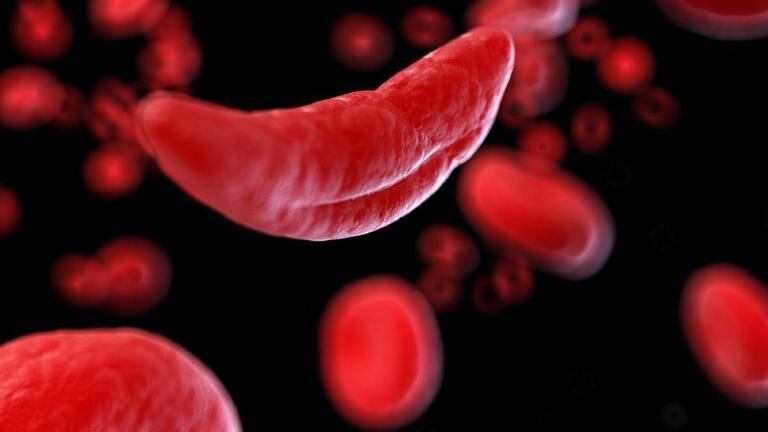
Hydroxyurea is a drug taken once daily by mouth that works to reduce the complications of sickle cell anemia by encouraging the body to produce more fetal hemoglobin. This form of hemoglobin, normally made by babies in the womb, stops red blood cells from sickling.
While hydroxyurea is a recommended treatment in high-income countries, doctors have been cautious in low-income settings because it reduces the number of infection-fighting neutrophils and could therefore lead to an increased risk of infections where access to clinical services is limited.
The study, part of the Realizing Effectiveness Across Continents with Hydroxyurea (REACH) trial, showed that there was no increase in the incidence or severity of infections, including malaria, in children receiving hydroxyurea treatment.
Sickle cell anemia is the most common and severe inherited blood disease in humans, with approximately 80% of cases occurring in sub-Saharan Africa. Around 550,000 children are born with sickle cell anemia every year. The disease results in complications such as pain, vulnerability to infections and chronic ill health.
Bacterial and viral infections, including life-threatening infections, are common complications of sickle cell anemia. In theory, treatment with hydroxyurea could worsen infections, including malaria, because it dampens the immune system; however, this has not been studied in detail previously.
Source link





