This article has been reviewed according to Science X's editorial process and policies. Editors have highlighted the following attributes while ensuring the content's credibility:
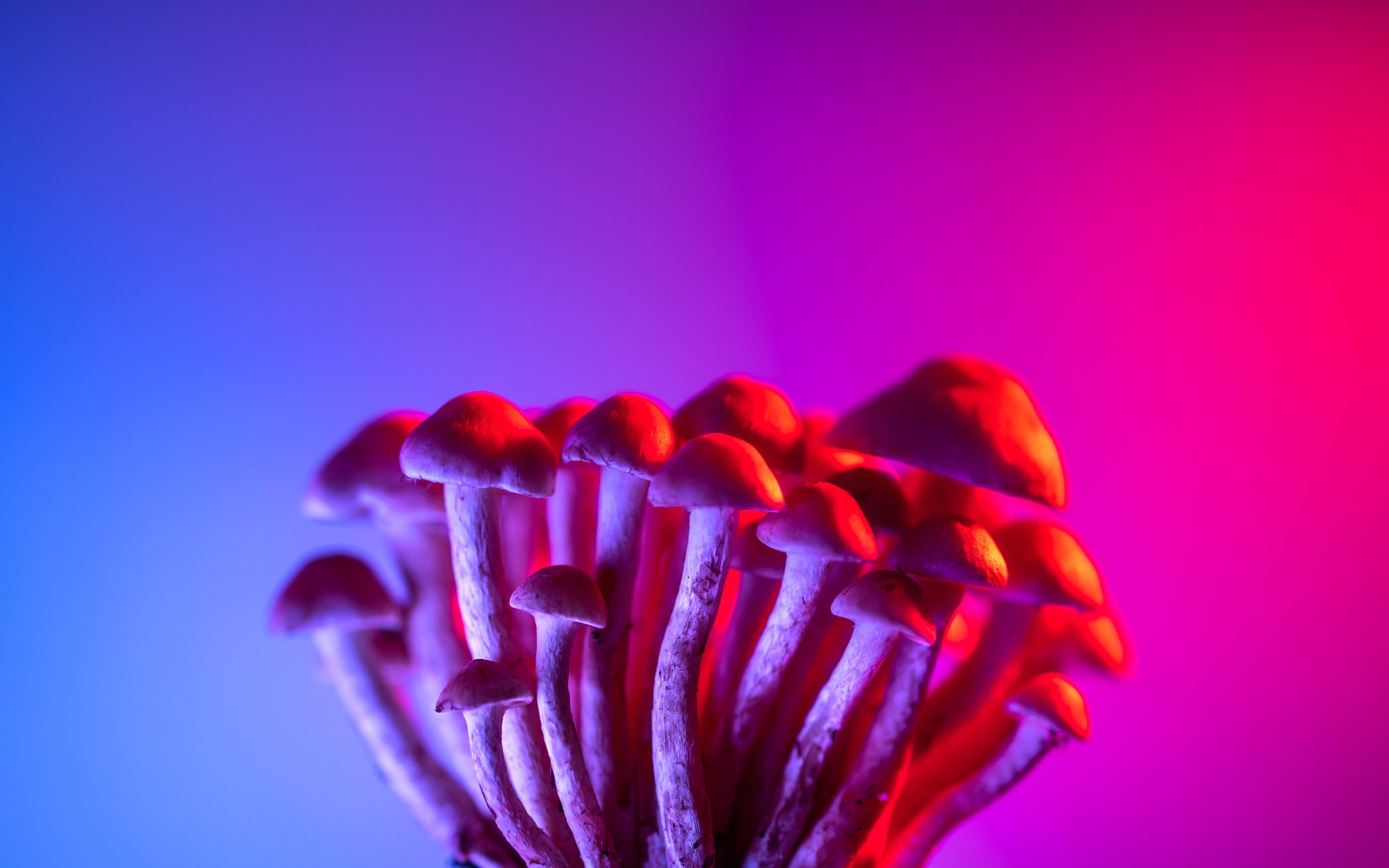
The same substances that can alter perception and shift moods are now drawing scientific interest for their potential therapeutic abilities. Researchers across the globe are investigating whether psychedelics, such as psilocybin from magic mushrooms or LSD, could help treat mental health and brain-related disorders. In a recent study, researchers gathered many such studies and carried out a systematic review and meta-analysis focusing on the anti-inflammatory and immune-modulating properties of serotonergic psychedelics.
Serotonergic psychedelics act by targeting the same receptors that respond to serotonin, a chemical messenger involved in regulating mood, communication between neurons and immune responses. The psychoactive drugs have chemical structures similar to serotonin, allowing them to bind directly to serotonin receptors in the brain and body.
Out of the 61 studies analyzed, most of the lab-grown cell studies and animal studies found that psychedelics reduce inflammation. The human results were more mixed, with only three of the 10 trials showing reduced inflammation. When the researchers combined the data from mouse studies, they found that serotonergic psychedelics show strong anti-inflammatory properties, but only when baseline inflammation is already elevated due to an overactive immune system. They had no effect in healthy mice.
For diseases that affect the central nervous system, researchers are always on the lookout for therapeutics that can be used alongside conventional medication. Psychedelics are emerging as one such possibility, with studies reporting benefits across a range of psychiatric and neurological conditions, including depression, PTSD, Parkinson's disease and migraines.
Source link