
This article has been reviewed according to Science X's editorial process and policies. Editors have highlighted the following attributes while ensuring the content's credibility:
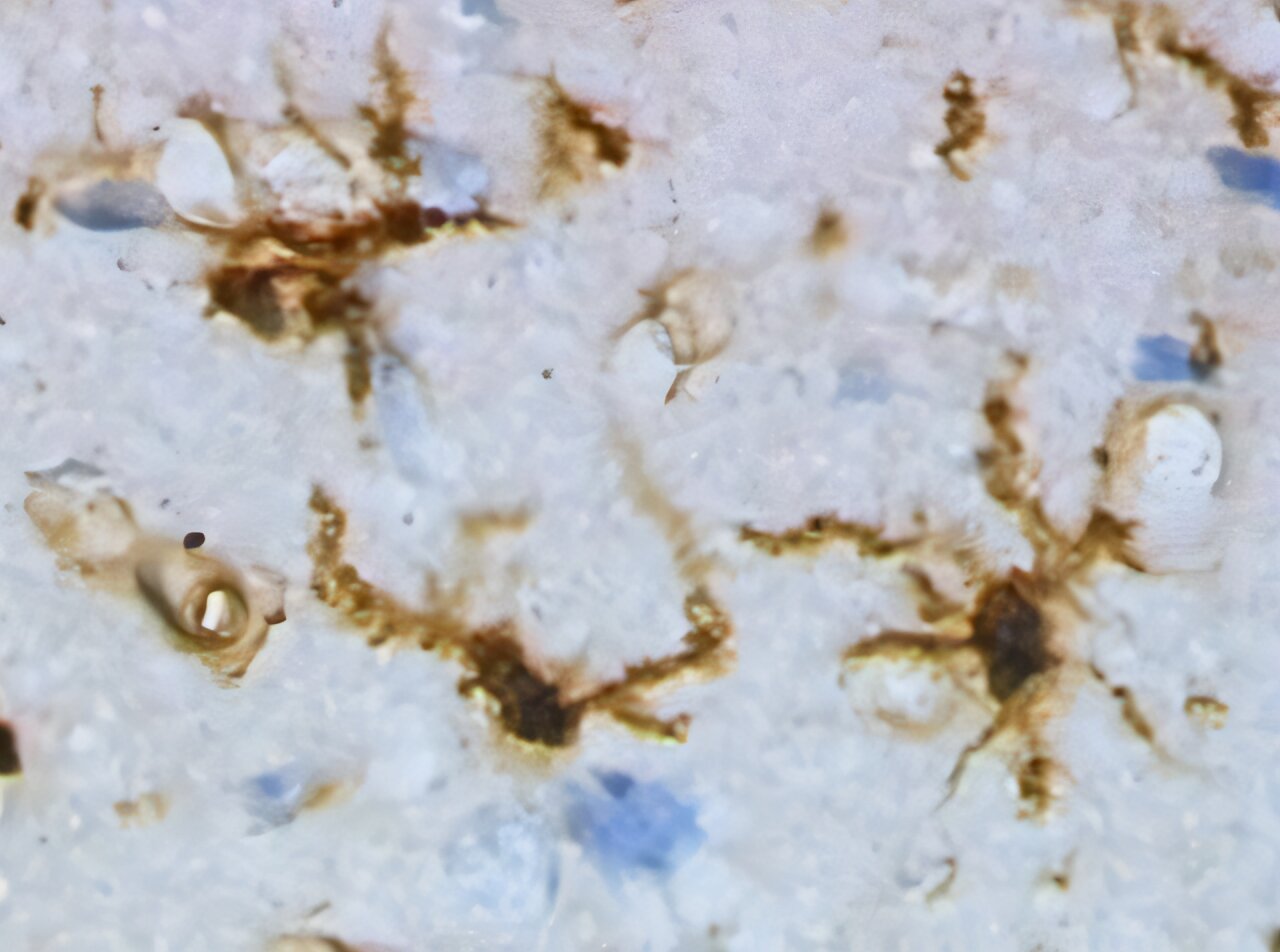
Researchers at the University of Oxford have uncovered a previously unrecognized protective role for microglia, the brain's resident immune cells, in Parkinson's disease. The study shows that a distinct population of human microglia can selectively remove harmful clumps (aggregates) of the Parkinson's-causing protein alpha-synuclein from dopamine-producing neurons. The research is published in the journal Science Translational Medicine.
Parkinson's disease affects more than 10 million people worldwide. The disease is characterized by the progressive loss of dopamine-producing neurons and the buildup of abnormal clumps of the protein alpha-synuclein within nerve cells. Identifying new potential ways of preventing or removing these clumps could enable new treatments to slow or stop the progression of Parkinson's disease.
Microglia are the brain's resident immune cells, acting as its first line of defense and helping to keep the brain healthy. They respond to damage, clear away cellular debris and help shape connections between nerve cells, but when persistently activated, they can contribute to inflammation and damage to neurons.
The researchers developed human stem cell models (derived from induced pluripotent stem cells (iPSCs) that allow human dopamine-producing neurons and microglia to be studied together. The team examined how microglia responded when alpha-synuclein aggregates formed inside neurons, either as a consequence of increased alpha-synuclein gene dosage or after exposure to alpha-synuclein fibrils that act as a "template," encouraging the endogenous neuronal protein to misfold the same way.
Source link





