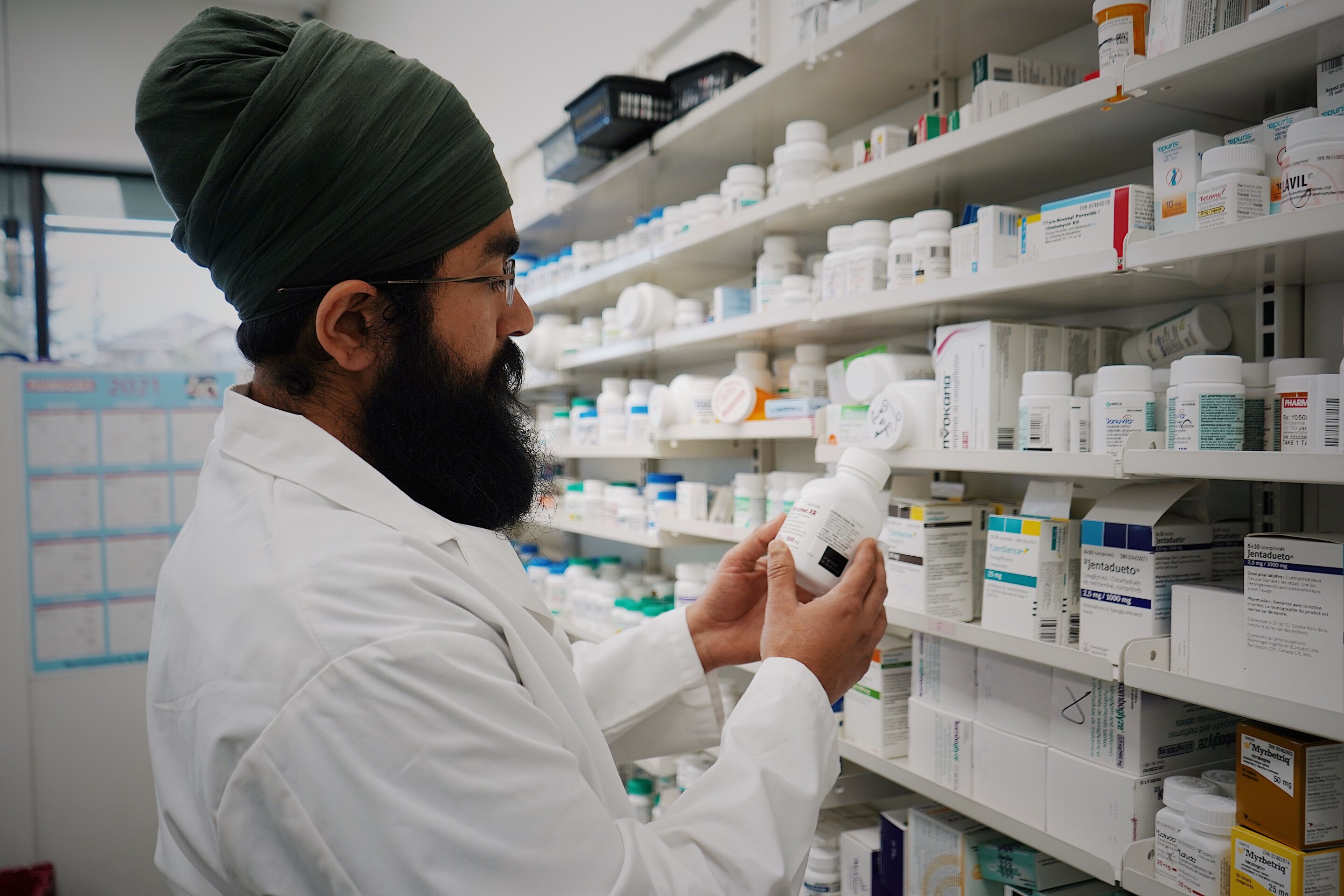
For most physicians, the workday does not end when the last patient leaves. Notes still need to be finished. Messages are still waiting. Administrative tasks are still open. This after-hours work has a name, pajama time, and healthcare has treated it as an unavoidable cost of practicing medicine for far too long.
Because the truth is, it isn’t unavoidable. And the fix has almost nothing to do with the time of day. Most of what follows clinicians home starts hours earlier, before the patient ever sits down in the exam room.
Documentation is the biggest driver of after-hours work, but documentation itself isn’t really the problem. A patient arrives without a completed intake form, medical history, or screening questionnaire, and that information has to be collected during the visit instead. Add an insurance or eligibility issue discovered at check-in, and the provider is now doing cleanup on top of catch-up.
Individually, none of this looks serious. Stacked across a full patient panel, it becomes a chain of deferred work that lands, predictably, on the provider’s desk after the last patient has walked out. The consequences aren’t limited to lost personal time: research published in JAMA Network Open found that clinicians who spent more time in the EHR after hours had significantly higher odds of emotional exhaustion and burnout.
Telling physicians to chart faster does not fix a timing problem. Fixing it means deciding when information gets collected, who is responsible for collecting it, and what can be moved ahead of the appointment entirely.
Source link