
This article has been reviewed according to Science X's editorial process and policies. Editors have highlighted the following attributes while ensuring the content's credibility:
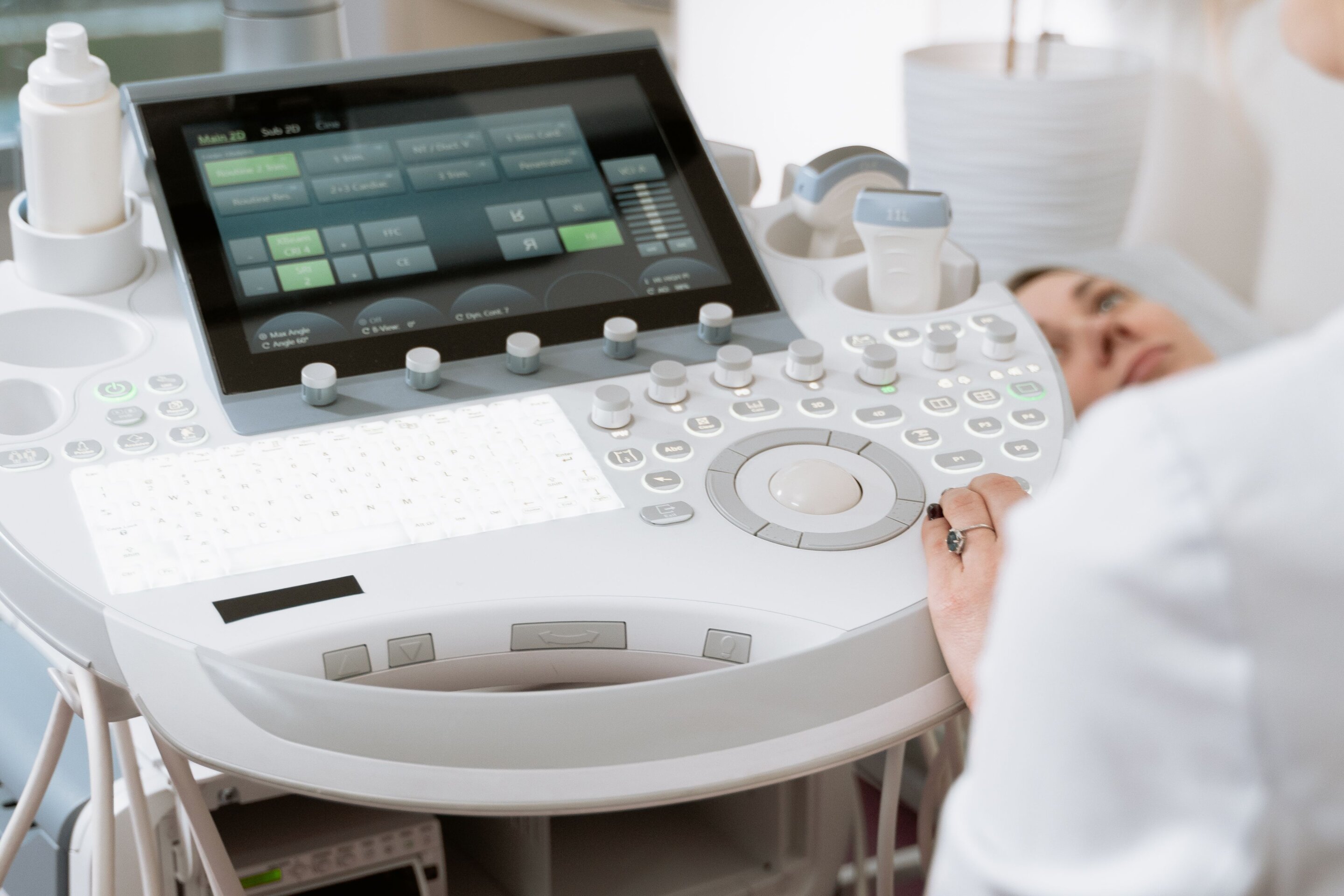
A new study in the Journal of the American College of Radiology has found that automated breast ultrasound (ABUS) and handheld ultrasound (HHUS) had similar cancer detection rates in women with dense breasts, while ABUS had a lower false-positive rate. The study demonstrates that ABUS is a viable alternative to HHUS and can expand supplemental ultrasound screening capacity at radiology clinics.
There is increasing demand for ultrasound screening in addition to mammography following the enactment of state laws and federal rules requiring radiology clinics to inform women with dense breasts about the limitations of mammography. Because dense tissue and lesions both appear white on a mammogram, abnormalities can more easily go undetected.
HHUS has long been available for breast imaging but has drawbacks related to operator dependency and a lack of reproducibility. In 2012, ABUS was approved for breast cancer screening as an adjunct to screening mammography, and it remains an emerging technology in screening for breast cancer.
While prior studies have evaluated ABUS and HHUS separately, as far as the investigators are aware, this is the first study directly comparing the screening performance of ABUS versus HHUS in clinical practice in the United States.
The researchers collected clinical data from three diverse registries of the Breast Cancer Surveillance Consortium (BCSC) and analyzed abnormal interpretation rates, short-interval follow-up (SIFU) recommendation rates and their associated cancer detection and false-positive rates.
Source link





