
This article has been reviewed according to Science X's editorial process and policies. Editors have highlighted the following attributes while ensuring the content's credibility:
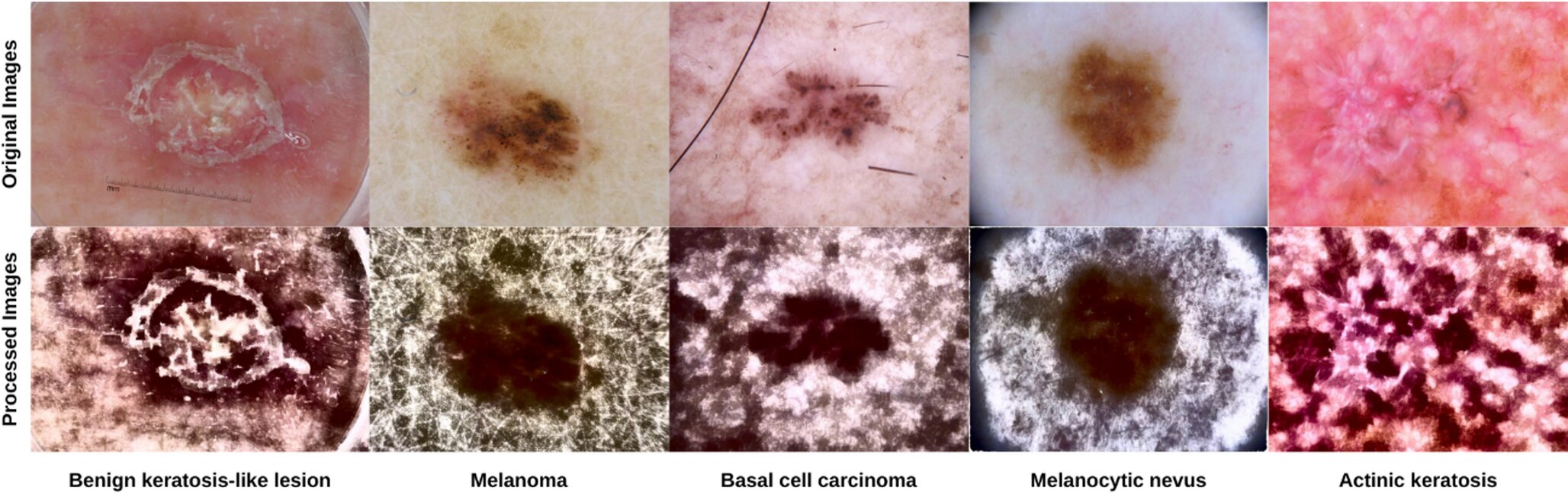
Skin cancer is a global health challenge, with nearly 1.5 million new cases diagnosed in 2024, according to World Health Organization (WHO) data. In response, the University of Alicante (UA) and the Sant Joan d'Alacant University Hospital have collaborated to launch MEL-IA (MobilE skin Lesion dIAgnosis), an artificial intelligence system designed to automate the classification of skin lesions.
Early detection remains vital to improving clinical outcomes for skin cancer. This technology supports health care staff in evaluating lesions while integrating into the hospital's existing IT infrastructure.
The system incorporates a mobile app to capture images of skin lesions—such as moles or spots—and record clinical data, an AI model to perform the classification, and complex integration models that securely connect all data with hospital systems.
The authors of this study, published in the journal Journal of Medical Systems, are Alberto de Ramón, Daniel Ruiz and Marcelo Saval, lecturers in the Department of Computer Technology and Computation at the UA, together with Pablo Candela, all members of the Bio-inspired Engineering and Health Informatics (IBIS) research group at the UA.
The IBIS group has spent over a decade researching clinical decision-support systems for diagnosing skin lesions. Representing the Sant Joan d'Alacant University Hospital, José María Salinas and Diego Guijarro from the IT Service co-authored the work.
Beyond developing the classification algorithm, the team has delivered a comprehensive technology package capable of integrating directly into a hospital's IT network.
Source link





