This article has been reviewed according to Science X's editorial process and policies. Editors have highlighted the following attributes while ensuring the content's credibility:
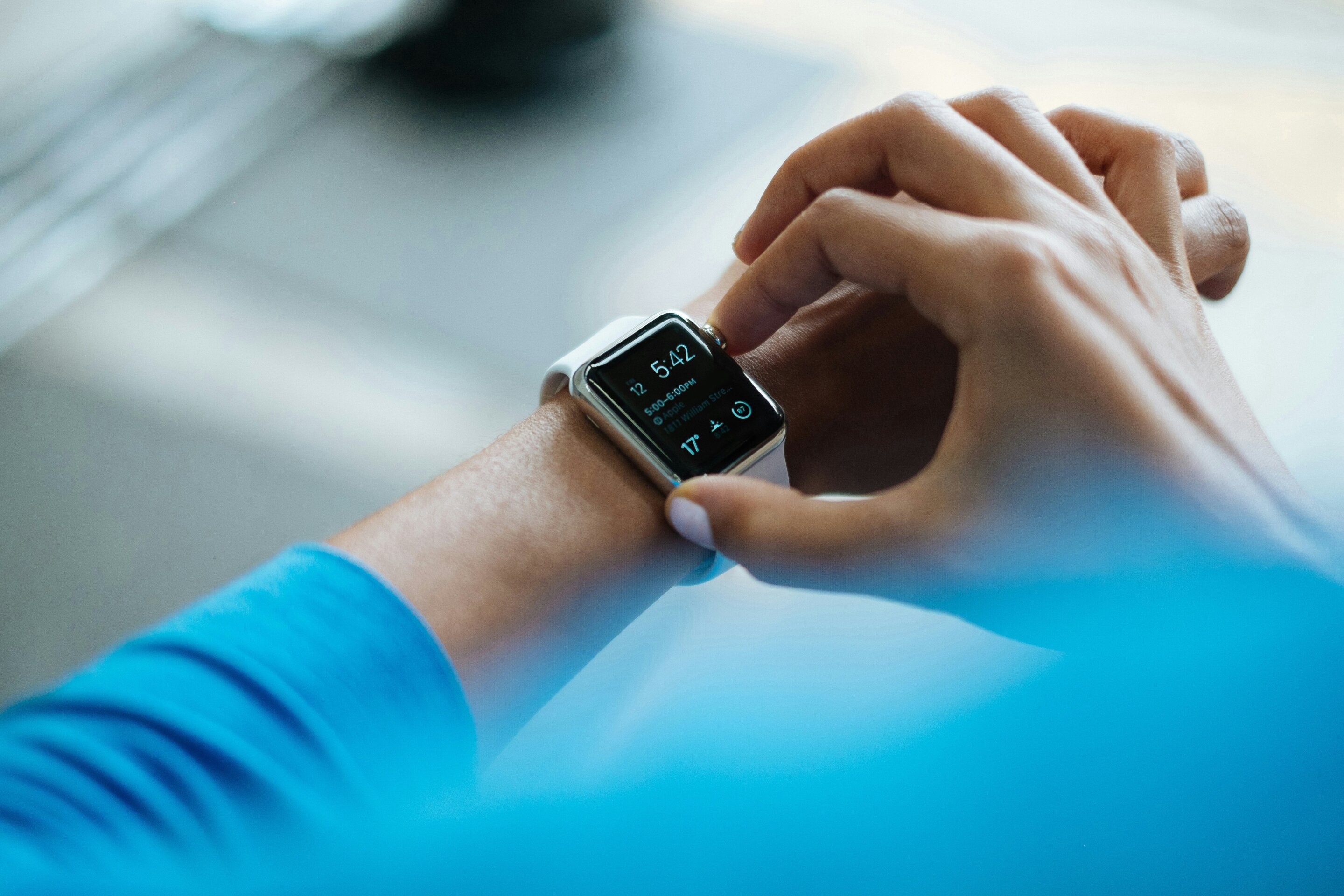
Smartwatches may be able to detect hypertension (high blood pressure) with the help of an artificial intelligence (AI) system that interprets sensor readings, a paper in Nature reports. Tests of the system, trialed using a consumer smartwatch, show that it can detect hypertension at similar sensitivities to traditional office-based blood pressure screening methods.
Hypertension is a major risk factor for cardiovascular disease, but over half of affected adults are unaware of their condition. Wearable technology has the potential to detect signals of hypertension, although the sensors are typically not good enough for the direct measurement of blood pressure and readings need to be calibrated against traditional cuff blood pressure measurements.
Recent research has suggested that deep learning could help, but previous assessments have not used gold-standard blood pressure monitoring methods as reference points and have not compared measurements with established hypertension screening methods.
Ming-Zher Poh and colleagues show that applying an AI algorithm to signals recorded using a Google smartwatch can detect hypertension with accuracy levels comparable to traditional office-based cuffed blood pressure devices.
The smartwatch performs photoplethysmography (an optical technique that measures changes in blood volume in microvascular tissue beneath the skin) and uses an accelerometer to measure wrist motion. Combining these measurements with participant height and running them through an algorithm produces an estimated probability of hypertension without cuff calibration. This estimate requires multiple readings.
Source link