This article has been reviewed according to Science X's editorial process and policies. Editors have highlighted the following attributes while ensuring the content's credibility:
Artificial intelligence (AI) software tasked with evaluating heart signals (ECG data) measured by smartwatches may help identify a hidden and dangerous heart condition known as left ventricular systolic dysfunction (LVSD), although results varied between smartwatch brands and across ECG recordings, according to new, preliminary, independent late-breaking science presented today at the American Heart Association's Scientific Sessions 2026. The meeting takes place Nov. 6–9 in Chicago.
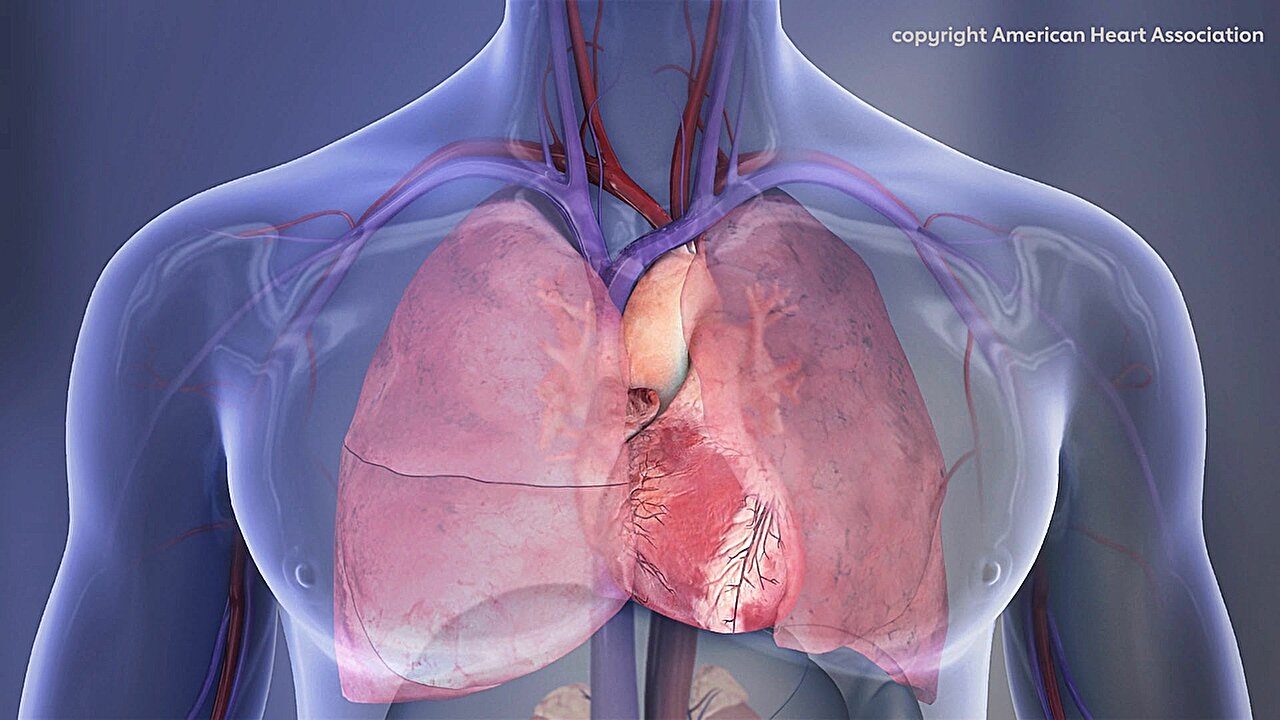
LVSD occurs when the heart's main pumping chamber, the left ventricle, does not contract effectively. In this study, LVSD was defined as a left ventricular ejection fraction of 40% or less, meaning that the chamber pumps out no more than 40% of the blood it contains with each heartbeat. LVSD can be present without symptoms, and without treatment it can lead to symptomatic heart failure.
The researchers examined whether AI analysis of ECG signals measured by smartwatches could help identify people who may need traditional screening exams such as an echocardiogram, or ultrasound scan of the heart. This study evaluated a novel AI model that analyzed smartwatch ECG recordings for signs of reduced heart pumping function.
, which developed the AI model, and a cardiologist at the Digital Healthcare Institute, Sejong Medical Research Institute in Incheon, South Korea.
Source link