This article has been reviewed according to Science X's editorial process and policies. Editors have highlighted the following attributes while ensuring the content's credibility:
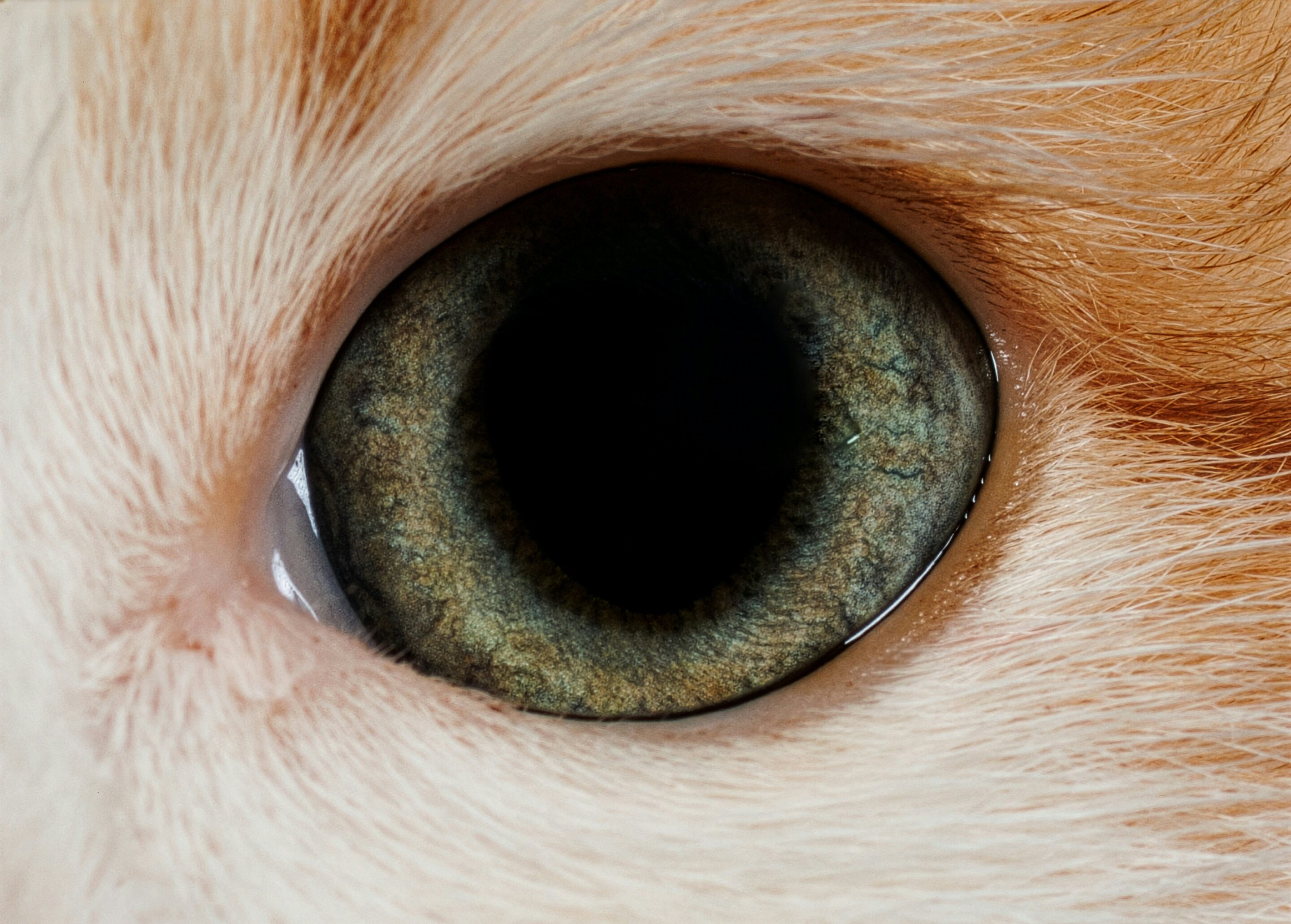
Karl, a 28-year-old man living in the northeastern United States, has a gray tabby cat named Luna. In the morning, his cat is often the first face that he sees.
And on some days from that point on, Karl sees features of his cat—such as the almond-shaped eye sockets, enlarged pupils and stripes—on the human faces that he encounters that day, whether it be in person or online.
Alternatively, if Karl sees a human face at the start of his day, and not his cat, he may see that person's pupils and eye shape in other people's faces and even in his cat's face that day.
Karl has a form of palinopsia, in which something seen earlier persists or reappears in later perception. In Karl's case, his palinopsia leads to face distortions, a condition called prosopometamorphopsia, or PMO.
Karl's experiences are documented in a report in the journal Cortex.
Karl's recurrent palinopsia began two years ago after part of his right temporal lobe had to be removed due to an arteriovenous malformation, tangled blood vessels between arteries and veins, which can lead to a brain bleed if left untreated. The right temporal lobe plays a critical role in face processing.
"This case of Karl seeing his cat's features in human faces and vice versa demonstrates that individual features can be pulled from memory and influence our ongoing perception," says lead author Brad Duchaine, a professor and chair of psychological and brain sciences and principal investigator of the Social Perception Lab at Dartmouth.
Source link