This article has been reviewed according to Science X's editorial process and policies. Editors have highlighted the following attributes while ensuring the content's credibility:
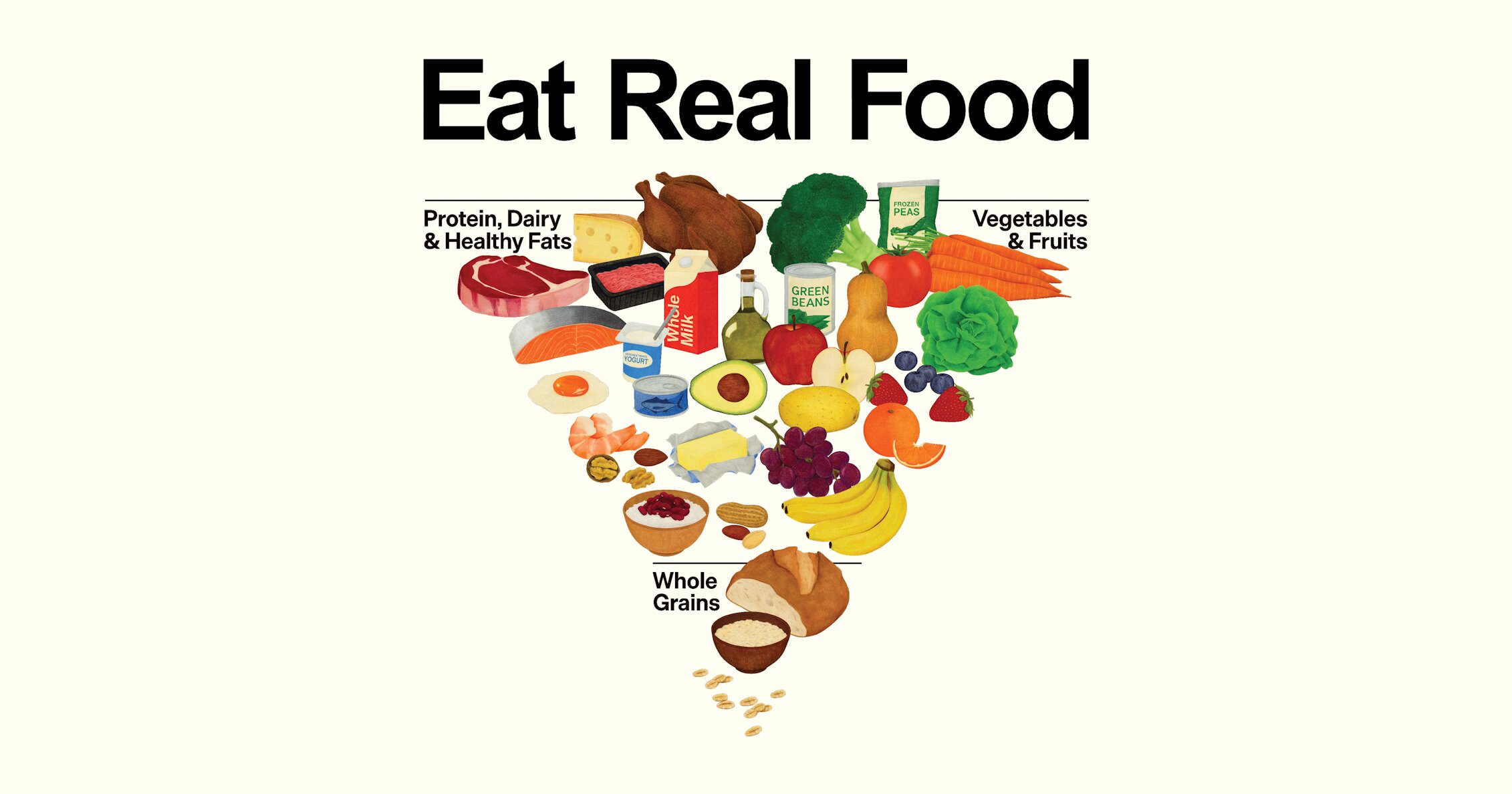
The food pyramid has made an unlikely comeback. In January 2026, the U.S. government unveiled an upside-down version, giving prominence to foods such as red meat and full-fat dairy.
More recently, an international team of researchers, led by Brigham Young University in the U.S., proposed a very different food pyramid built around vegetables, fruit, whole grains and other plant foods. They call it the International Food Guide Pyramid.
The two designs reflect different views about what a healthy diet should look like. They also revive an old question: how do you turn complex nutritional evidence into a simple picture that helps people decide what to eat?
The history of the food pyramid shows that its design has been shaped by politics and commercial interests as well as scientific advice.
The idea began in Sweden in 1974 when a food educator devised a pyramid to show people how much of different foods they should eat. Rising food prices had prompted an investigation into eating nutritiously on a budget.
The pyramid's broad base contained affordable everyday foods: bread, cereals, potatoes, milk, cheese and cooking fats. Fruit and vegetables occupied the middle, with meat, fish and eggs at the top.
Before food pyramids, we had food circles, which gave equal space to all food groups. Pyramids added the proportions . Their broad base and narrow peak suggested that people should eat more of some foods than others.
Source link