Here are just a few of the dozens of video game remakes released since The Game Awards began in 2014 that were not nominated for Game of the Year: Shadow of the Colossus. The Legend of Zelda: Link's Awakening. Demon's Souls. The Last of Us Part 1. Silent Hill 2. All acclaimed new versions of canonical classics, and all among the best-reviewed games of their respective years.
Here are the four remakes that were nominated: Resident Evil 2, Resident Evil 4, Final Fantasy 7 Remake, and Final Fantasy 7 Rebirth. Apart from the obvious, what these four games have in common is their bold retellings of the original stories in a completely modern gaming vernacular, sometimes with radical changes. The Final Fantasy 7 remake project turns one game into three that might as well be in a different genre.
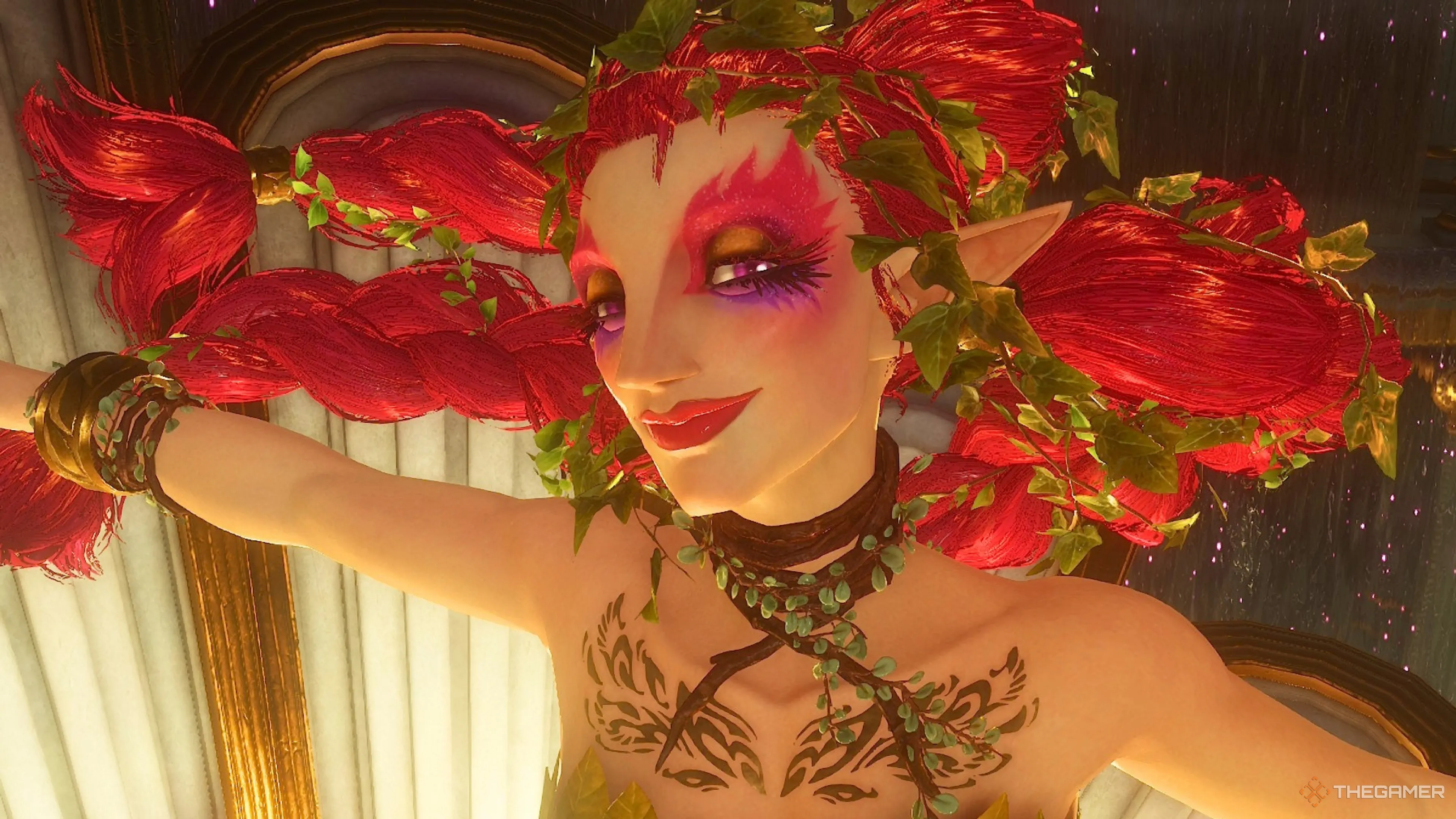
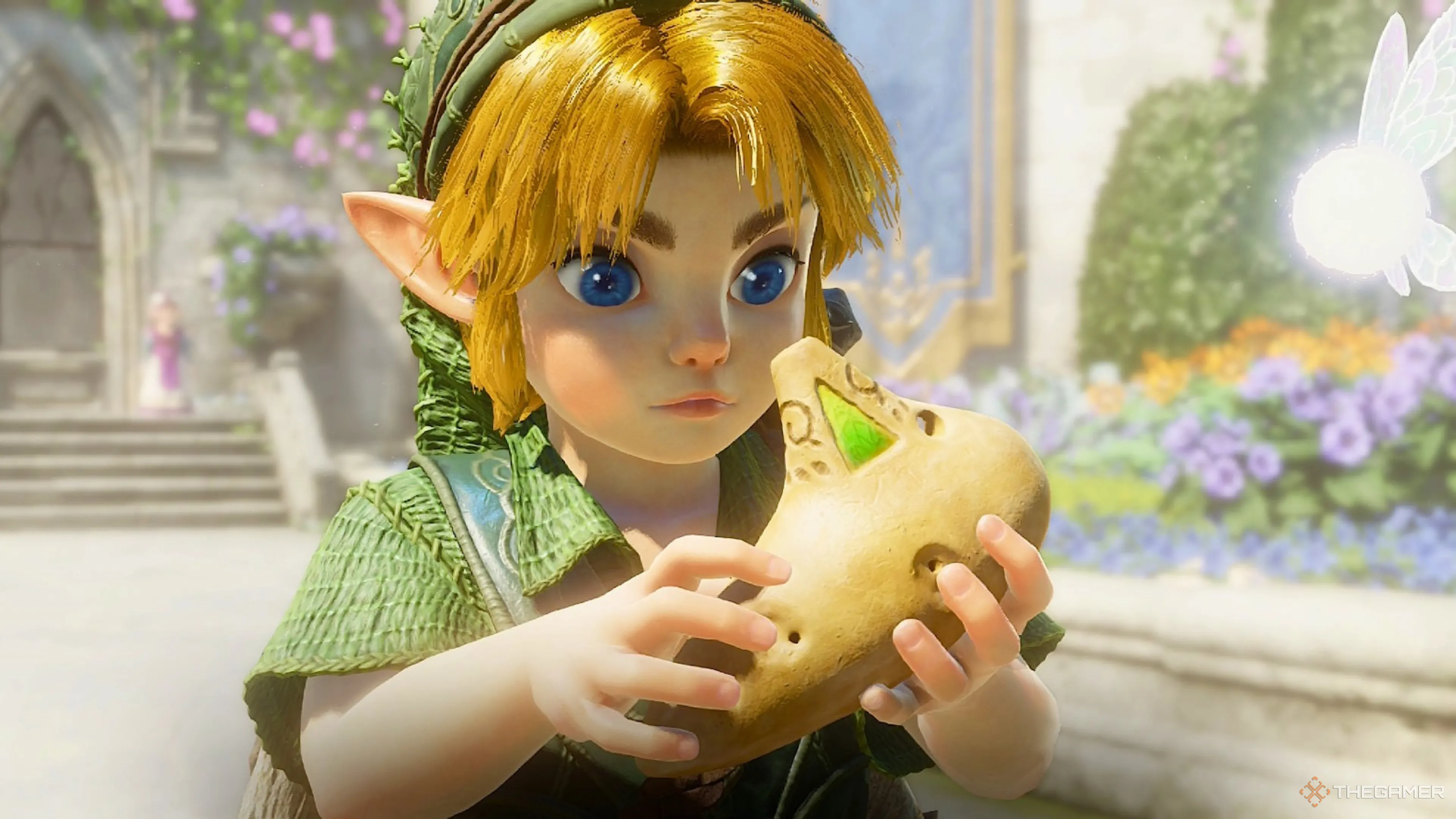
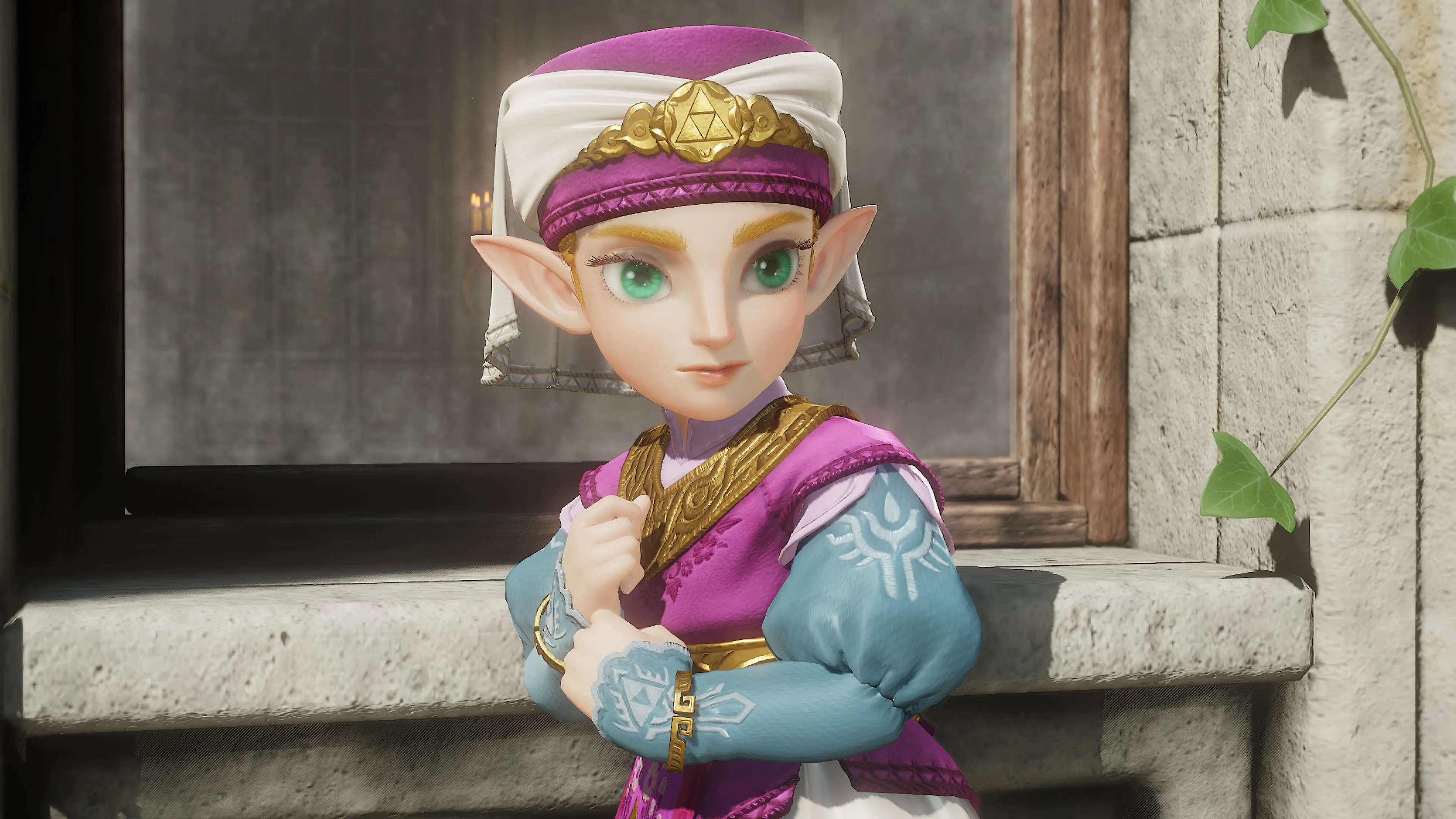
Nintendo's new version of The Legend of Zelda: Ocarina of Time sits somewhere in between these two groups. It is, for the most part, reverently faithful to the original story and design, with a few smart modernizations. But it does make bold artistic choices in perhaps the most dramatic visual overhaul of any remake yet.
Ocarina of Time is not quite "what this game would be like if you made it today," which is the approach taken by Capcom and Square Enix on Resident Evil and Final Fantasy 7. It's more classical in its design than that. But nor is it a painstaking recreation of a masterwork like, say, Bluepoint's exquisite PlayStation 4 version of Shadow of the Colossus .
Source link