Direct-to-consumer (D2C) sales promise game developers a bigger share of revenue and a closer relationship with players. But getting that margin means taking on work and risks that storefronts such as Steam, Apple and Google have traditionally handled.
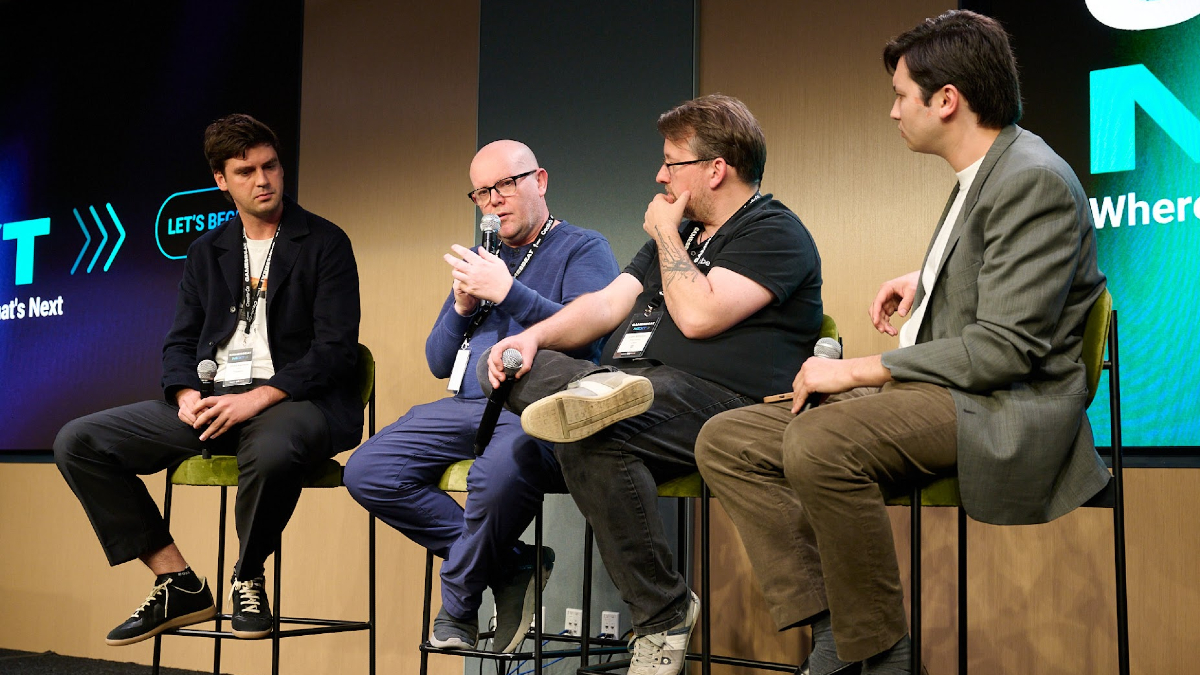
At GamesBeat Next 2026, industry experts discussed what holds studios back from embracing D2C revenue streams, and why the opportunity is about more than fees.
Moderated by GamesBeat lead news writer Alexander Lee, the discussion featured Liam Wiltshire, the general manager of Tebex, a sponsor of GamesBeat Next; gaming consultant Tadhg Kelly; and Dmitry Kachmar, the founder of Playgama.
Smaller and midsize developers often lack the specialist knowledge to assess monetization services, per Kelly.
“It tends to sound very maybe dubious to some folks, but honestly, just that it sounds like it requires a level of expertise that a lot of developers actually don’t really feel like they actually have,” he said during the panel discussion. “A lot of that is just education.”
The other major obstacle is discovery. Developers may want to escape a 30% platform fee, but worry that players will not follow them elsewhere. Kelly said studios still see major storefronts as where their audiences are. Steam, in particular, offers more than a place to buy games: “It’s also a social network. It’s also a community hub. It’s a review hub.”
That network effect makes alternatives difficult to compete with, even when they offer better commercial terms. Kelly said developers often see other channels as secondary because Steam already has a critical mass of playersm with Wiltshire adding that D2C should generally complement rather than replace established storefronts.
Source link