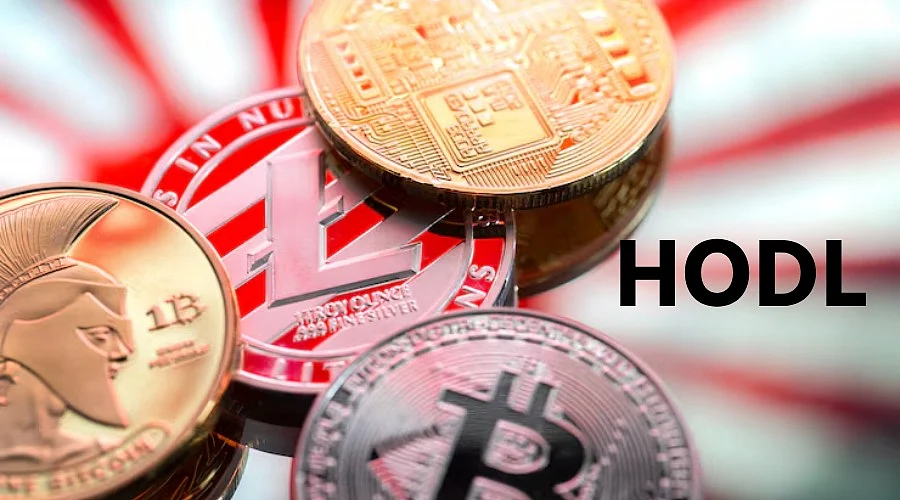
‘HODL’ is one of cryptocurrency’s oldest investing terms. It describes holding a digital asset through short-term price fluctuations instead of repeatedly buying and selling based on market movements. Although closely associated with Bitcoin, the approach can be applied to other cryptocurrencies.
The term originated from a misspelled ‘I AM HODLING’ post on the BitcoinTalk forum in 2013. What began as an internet joke eventually became shorthand for long-term conviction in cryptocurrency.
A HODL investor generally buys an asset and keeps it despite temporary rallies, corrections or periods of high volatility.
Suppose an investor purchases Bitcoin at USD 70,000 as they believe adoption will increase over several years. If Bitcoin subsequently falls to USD 55,000, a HODL strategy would typically involve holding the position rather than selling solely because of the decline. The strategy attempts to reduce dependence on correctly timing short-term market movements.
However, HODLing and dollar-cost averaging are different. HODLing describes retaining an existing position, while dollar-cost averaging involves making repeated purchases at predetermined intervals.
On-chain analytics provide another way to examine holding behavior. Glassnode classifies Bitcoin’s long-term and short-term holder supply using coin-holding age. Its model uses a transition centered around approximately 155 days rather than simply treating every wallet holding Bitcoin as a long-term investor.
According to recent Glassnode data, approximately 61.5% of Bitcoin’s circulating supply is classified as long-term-holder supply in profit, while another 26.4% represents long-term-holder supply in loss.
Long periods of limited selling can reduce liquid supply available to markets, although holding behavior alone does not determine Bitcoin’s price.
Source link